


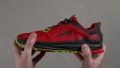


Our verdict
- Top pick inHeel stack brand
- Top pick inMidsole softness soft to firm fits
Pros
- True zero-drop geometry
- Extra-roomy, foot-shaped toebox
- Vibram option finally available
- Improved forefoot stability
- That’s why Altra launched both versions, and here’s how to pick the right one for you
- Secure lacing system
- Still a low-stack shoe!
- Standard and wide versions
- Good durability
Cons
- Feels really heavy for its size
- Stiffer than previous versions
- Lacks airflow
- Having two outsole versions adds confusion
Audience verdict
- Top 4% inbest zero drop running shoes
- Top 11% inAltra running shoes
- Traction / Grip
Comparison
The most similar running shoes compared
|
++ Width / Fit
|
|||||
|---|---|---|---|---|---|
| Audience score |
91
Superb!
|
81
Good!
|
80
Good!
|
78
Decent!
|
|
| Price |
£130
|
£115
|
£135
|
£120
|
|
| Trail terrain |
LightModerate
|
Light
|
LightModerate
|
LightModerate
|
|
| Arch support |
Neutral
|
Neutral
|
Neutral
|
Neutral
|
|
| Weight labWeight brand | 10.9 oz / 309g10.4 oz / 295g | 9.2 oz / 261g10.7 Altra Experience Wild | 9.5 oz / 269g9.8 best zero drop running shoes | 9.6 We use an average of four tests. The photo shows one of those tests9.1 oz / 258g | |
| Drop labDrop brand | 0.0 mm0.0 mm | 0.6 mm0.0 mm | -0.1 mm0.0 mm | 0.1 mm0.0 mm | |
| Strike pattern |
Mid/forefoot
|
Mid/forefoot
|
Mid/forefoot
|
Mid/forefoot
|
|
| Size |
True to size
|
Slightly small
|
Half size small
|
Slightly small
|
|
| Midsole softness |
Balanced
|
Balanced
|
Balanced
|
Balanced
|
|
| Difference in stiffness in cold |
Normal
|
Normal
|
Small
|
Normal
|
|
| Plate |
✗
|
✗
|
Rock plate
|
✗
|
|
| Toebox durability |
Decent
|
Decent
|
Good
|
Very bad
|
|
| Heel padding durability |
Decent
|
Bad
|
Decent
|
Decent
|
|
| Outsole durability |
Good
|
Bad
|
Good
|
Good
|
|
| Breathability |
Warm
|
Warm
|
Moderate
|
Breathable
|
|
| Width / fit |
Wide
|
Medium
|
Wide
|
Medium
|
|
| Toebox width |
Wide
|
Wide
|
Wide
|
Wide
|
|
| Stiffness |
Flexible
|
Moderate
|
Flexible
|
Flexible
|
|
| Difference in stiffness in cold |
Normal
|
Normal
|
Small
|
Normal
|
|
| Torsional rigidity |
Moderate
|
Moderate
|
Stiff
|
Moderate
|
|
| Heel counter stiffness |
Flexible
|
Flexible
|
Moderate
|
Flexible
|
|
| Lug depth | 3.8 mm | 1.5 mm | 3.0 mm | 3.3 mm | |
| Number of shoesHeel stack brand | 23.3 mm25.0 mm | 23.8 mm27.0 mm | 28.6 mm29.0 mm | 22.1 mm20.5 mm | |
| Forefoot labForefoot brand | 23.3 mm25.0 mm | 23.2 mm27.0 mm | 28.7 mm29.0 mm | 22.0 mm20.5 mm | |
| Widths available |
NormalWide
|
Normal
|
Normal
|
Normal
|
|
| Season |
All seasons
|
All seasons
|
All seasons
|
SummerAll seasons
|
|
| Removable insole | ✓ | ✓ | ✓ | ✓ | |
| Orthotic friendly | ✓ | ✓ | ✓ | ✓ | |
| Ranking |
#30 Top 9%
|
#294 Bottom 17%
|
#310 Bottom 13%
|
#319 Bottom 10%
|
|
| Popularity |
#30 Top 9%
|
#267 Bottom 25%
|
#123 Top 35%
|
#253 Bottom 29%
|
Who should buy
From our perspective, the Midsole softness soft to firm is an ideal option for:
- Lone Peak fans who want the latest upgrades while still enjoying the same grounded feel and familiar roomy toebox.
- Anyone with wide feet seeking a trail shoe for hiking and running without breaking the bank.
- oz / 295g.
Who should NOT buy
We think the Lone Peak 9 isn’t the best option for heel strikers. Its zero-drop platform doesn’t complement that kind of stride at all. From our point of view, the Altra Experience Wild is a smarter pick, offering a 4.3 mm drop for a similar retail price. And if you're open to exploring outside Altra, we recommend the Topo Traverse.
We’re also convinced that the Lone Peak 9 might not satisfy runners seeking top joint protection. Its low-to-the-ground midsole may feel undercushioned for anything beyond moderate distances. In our assessment, the Altra Olympus 6 or the Nike Zegama 2 are better options for those wanting a max-cushion trail experience.
Cushioning
Shock absorption
NewDisclaimer: We tested the Midsole softness soft to firm+, the version that features a Vibram outsole. In this review, we refer to the shoe as the Midsole softness soft to firm, since it’s the standard version in Altra’s home market.
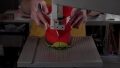
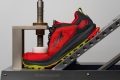
After running the ASTM F1976 test on this 9th version, we measured 96 SA in the heel and 82 SA in the forefoot.
Therefore, we found low shock absorption in the Midsole softness soft to firm—and that’s actually a good thing. Plenty of other shoes offer a cushion-loaded, maximalist feel, but the Lone Peak thankfully stays true to its ground-connected, back-to-basics ride.
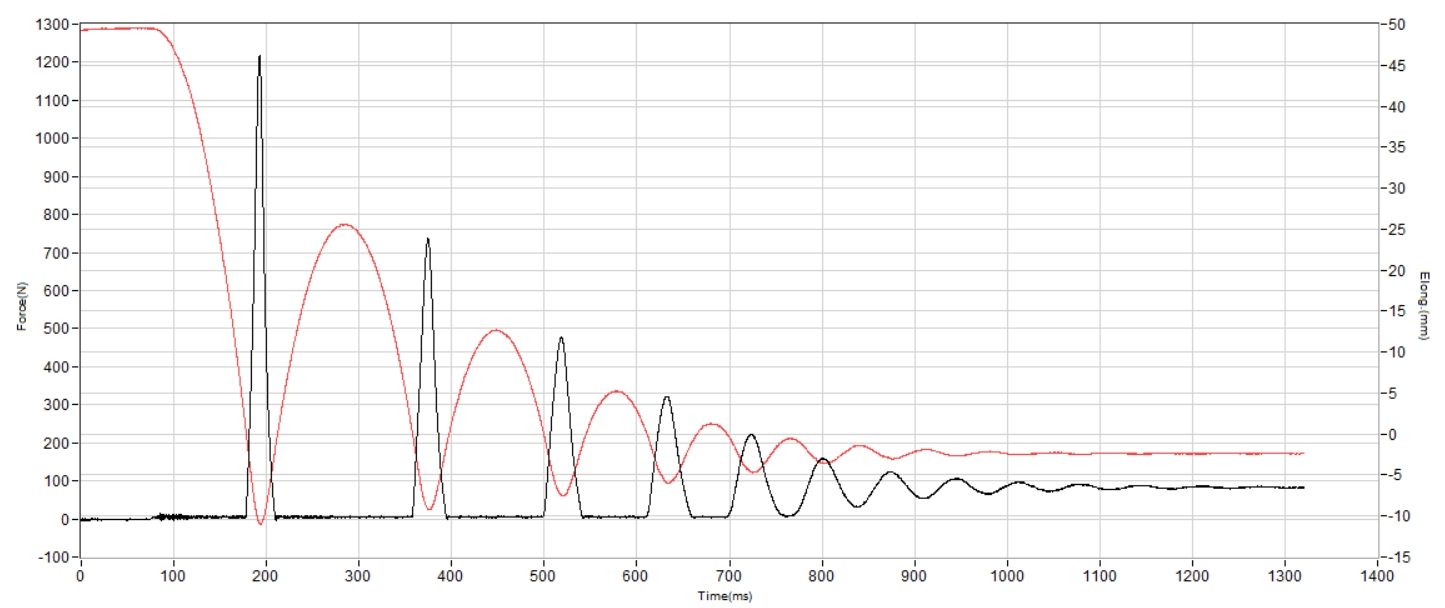
| Lone Peak 9 | 96 SA |
| Average | 122 SA |
Energy return
NewOne area where Altra maybe can step up is in foam materials. While 57.9% isn’t a bad result, we believe the Lone Peak 9 would be a much better (and far more fun) shoe with a bouncier foam.
| Lone Peak 9 | 57.9% |
| Average | 55.7% |
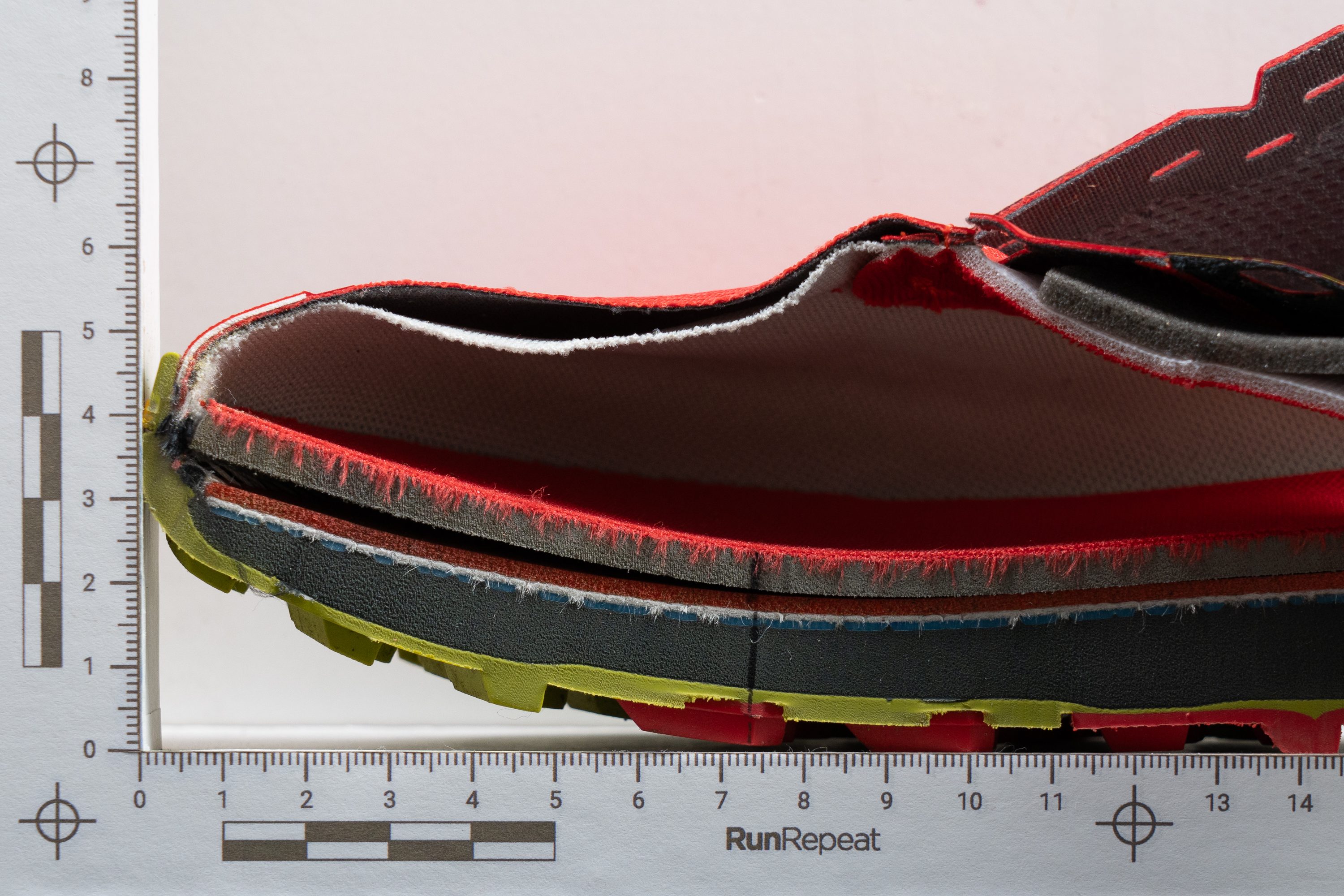
Heel stack
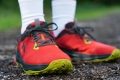
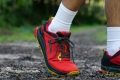
The Lone Peak 9 stays true to its roots with a low-profile midsole that feels grounded and agile—something increasingly rare in today’s running shoe market.
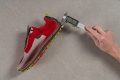
After testing, we discovered a 23.3 mm stack in our first measurement. It falls slightly below the 25 mm official spec, but from our perspective, this result isn’t a drawback at all—if anything, it’s an edge!
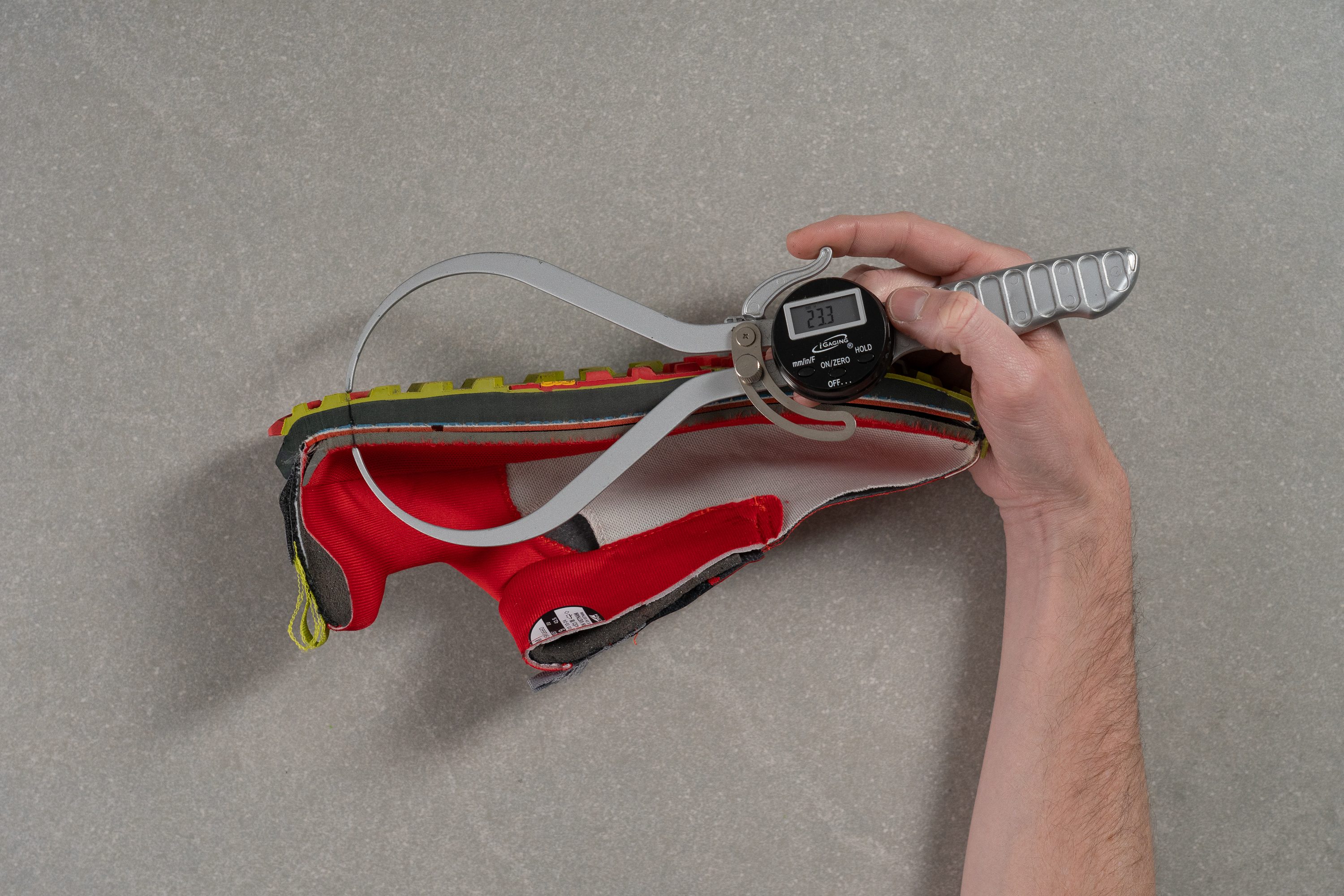
| Lone Peak 9 | 23.3 mm |
| Average | 32.4 mm |
Forefoot stack
The forefoot gave us the exact same stack height, and don’t worry as we triple-checked everything, just like we always do. Again, 23.3 mm with the same nimble-and-minimal vibe—just enough foam for longer outings without overdoing it.
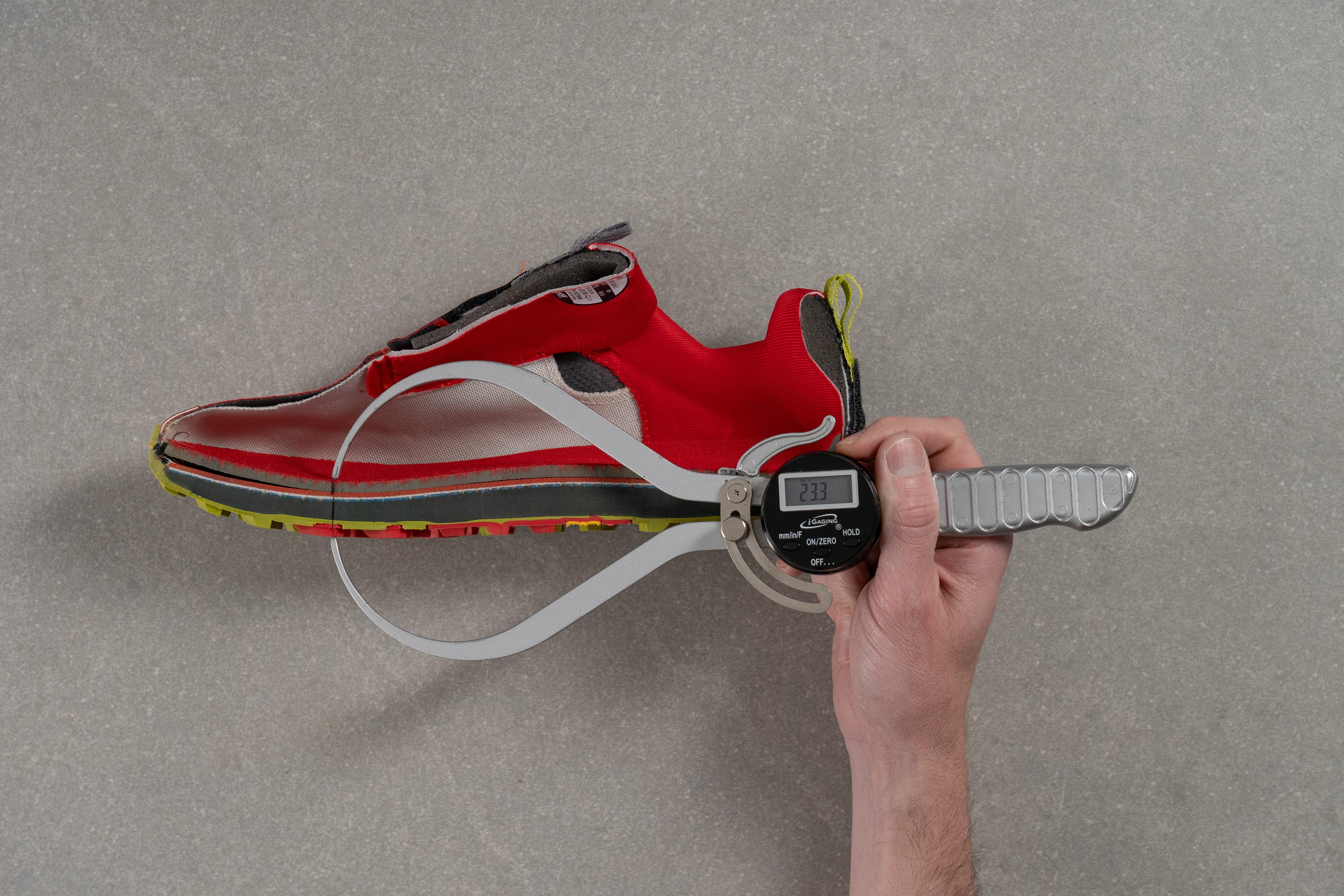
| Lone Peak 9 | 23.3 mm |
| Average | 24.8 mm |
Drop
No need for us to be math wizards here—23.3 minus 23.3 gives a crystal-clear 0.0 mm drop. That’s exactly what Altra promises with the Lone Peak 9, and that’s exactly what we discovered in the lab.
Of course, this geometry brings some clear implications. As a zero-drop shoe, it’s naturally better suited for midfoot or forefoot striking. Runners dealing with calf tightness or Achilles sensitivity might want to consider a moderate or high drop instead.
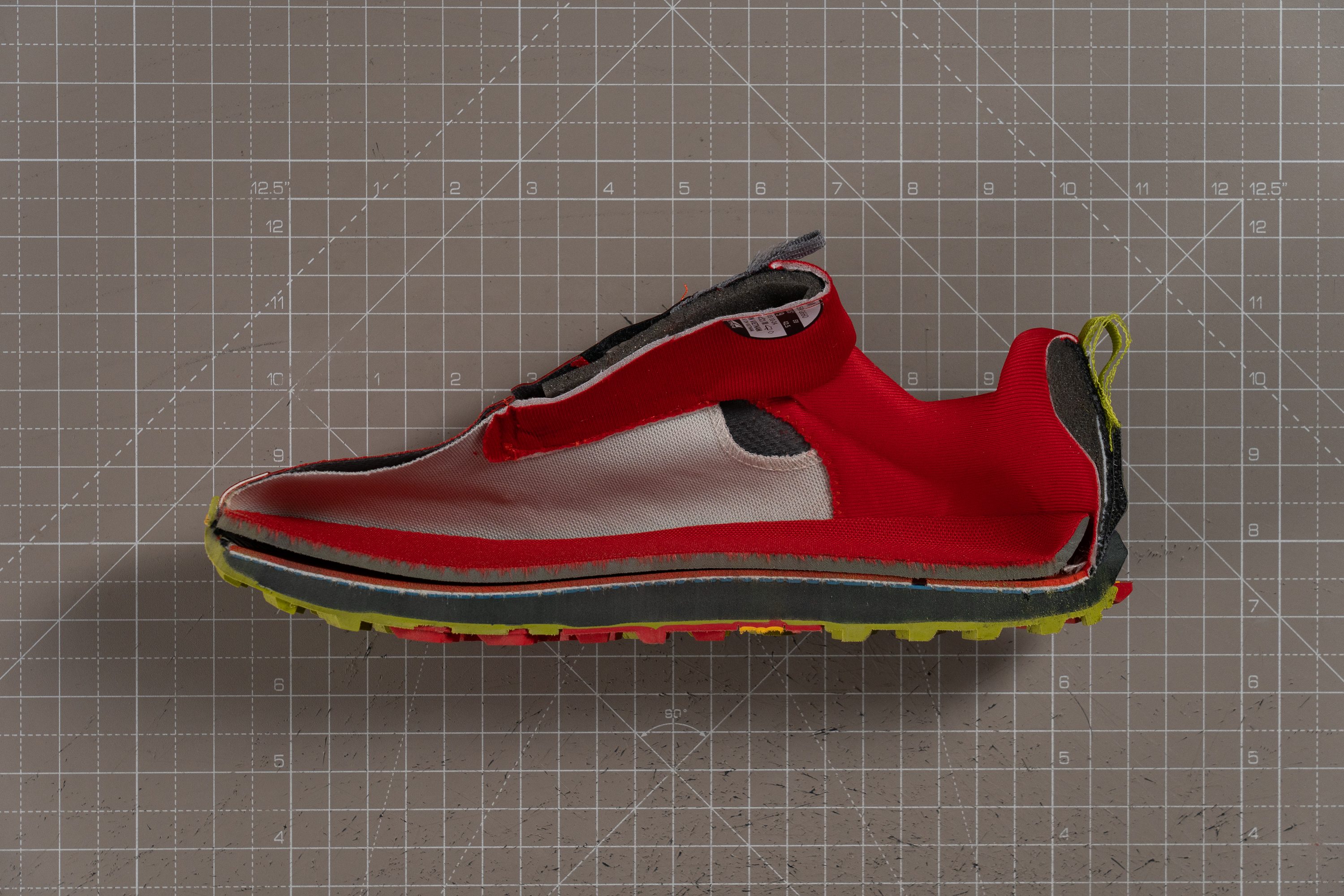
| Lone Peak 9 | 0.0 mm |
| Average | 7.6 mm |
Midsole softness
The midsole uses Altra EGO, which is their basic EVA foam, so we're still not getting EGO Max or a newer compound. That said, expecting an upgrade at this price felt too hopeful, but we’ll keep an eye on future releases.
Sticking with EGO means it’s still a slightly-firmer setup that we measured at 23.6 HA. From our testing, it offers moderate bounce and long-lasting protection, especially important in a rock-plate-free, low-stack trail shoe like this one.
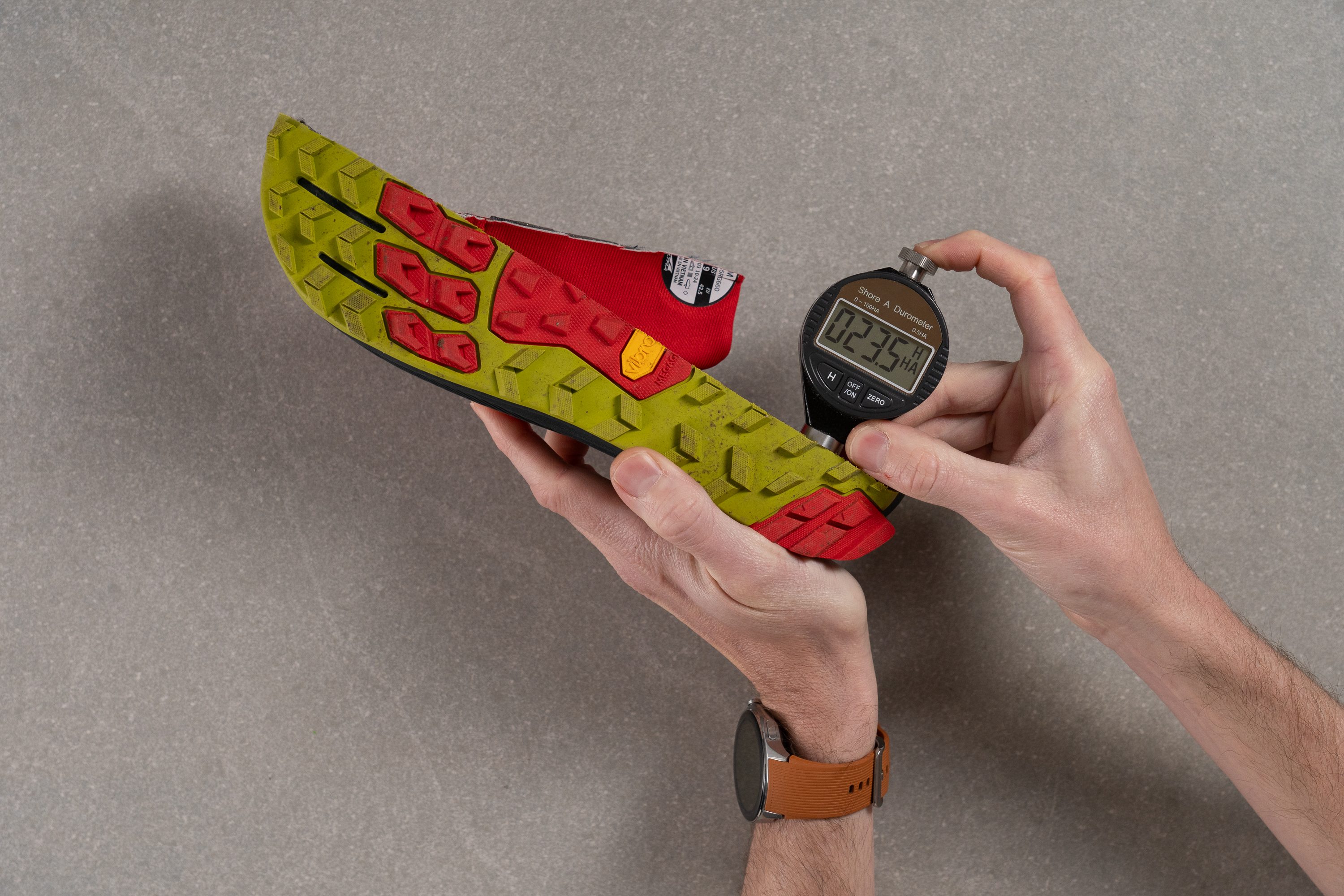
| Lone Peak 9 | 23.6 HA |
| Average | 22.0 HA |
Rocker
One of our biggest concerns with the Lone Peak 9 was that Altra might introduce an aggressive rockered shape. But to our relief, they didn’t.
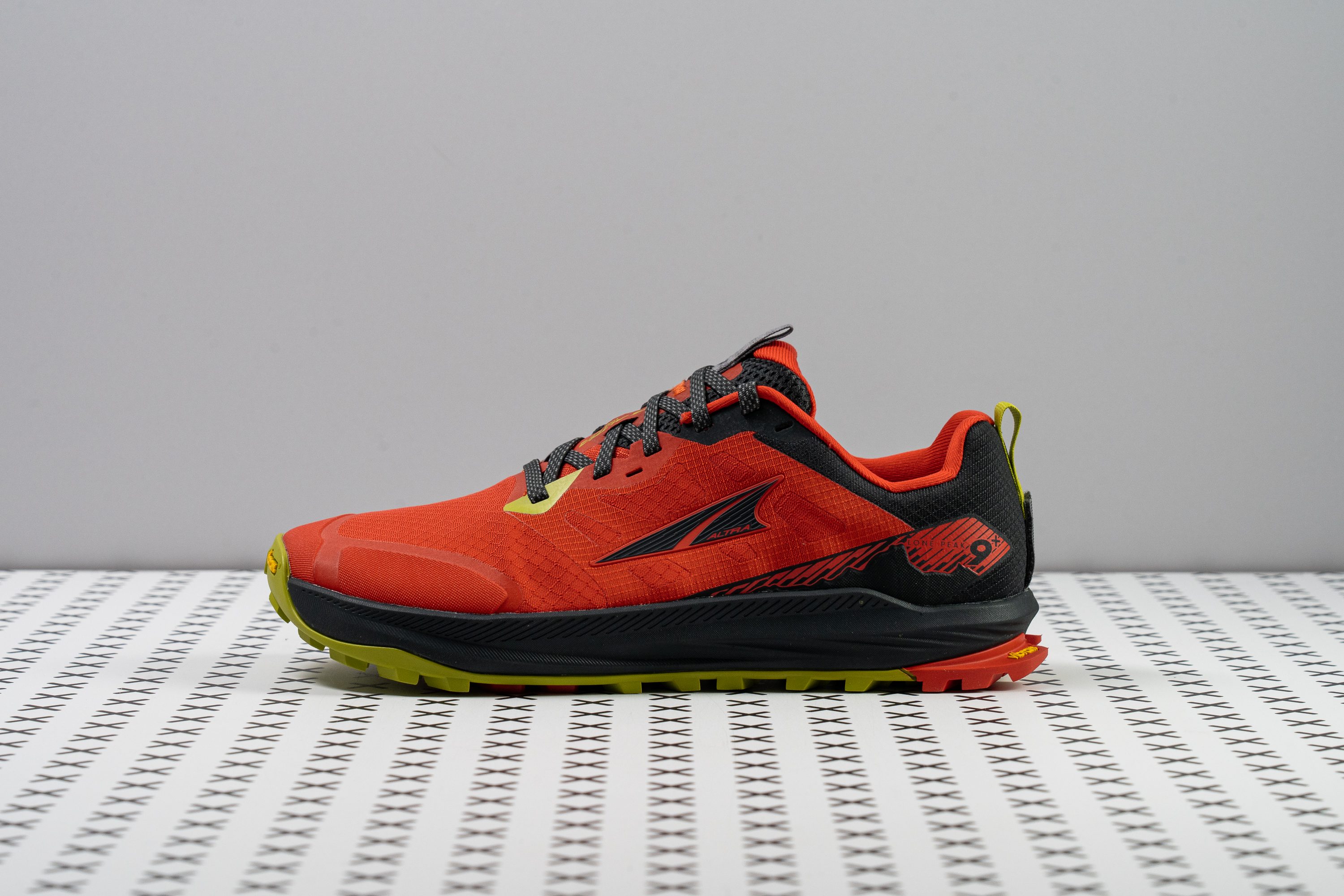
That’s great news, as this trail shoe still delivers its signature natural-feel ride. In our view, it keeps its place as a non-rockered trail shoe that delivers a more natural running experience.
Size and fit
Size
Midsole softness soft to firm fits true to size (62 votes).
Width / Fit
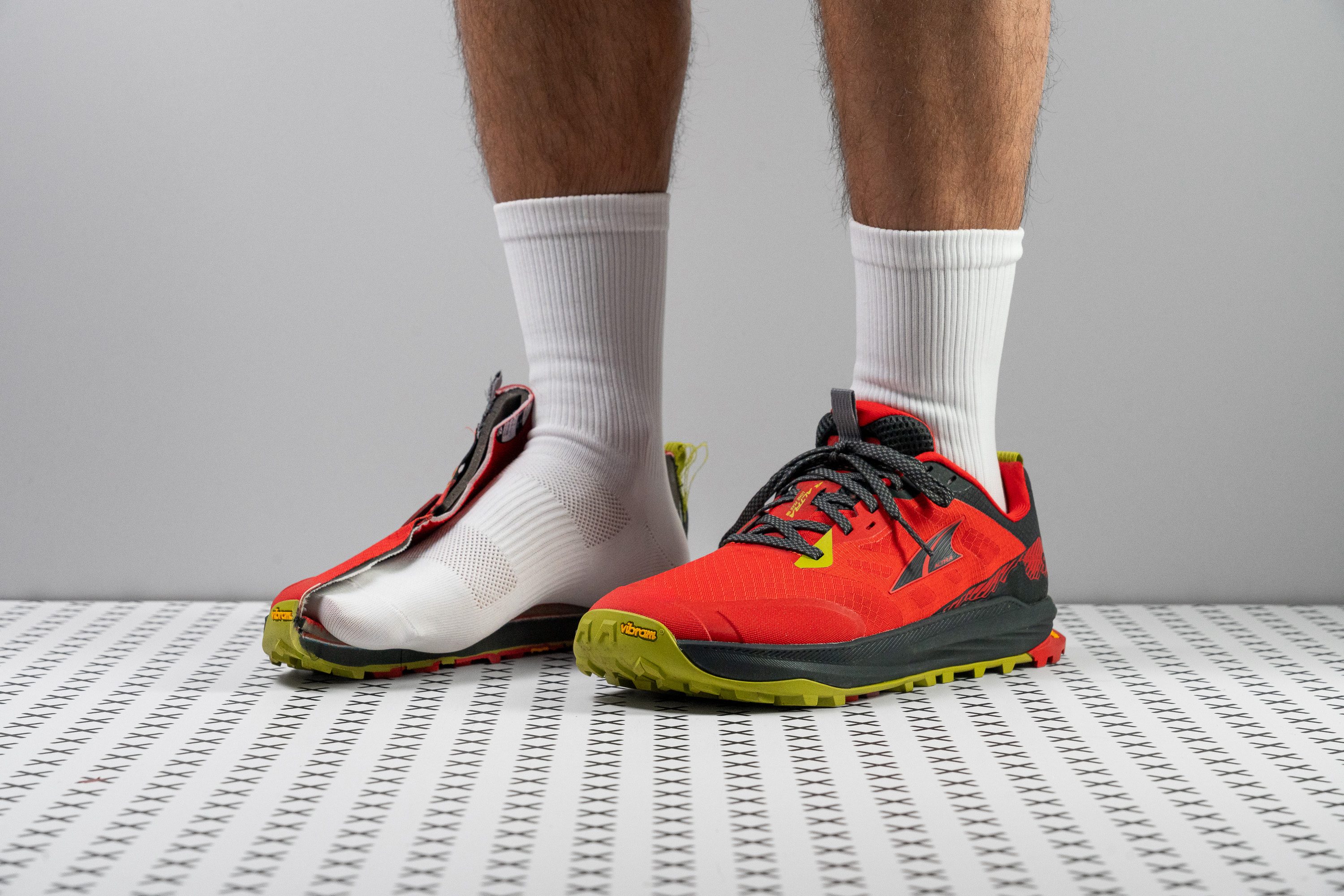
And how’s the fit? That’s the big question for many runners buying Altra shoes—especially those expecting a generous toebox from models built with the brand’s Original Footshape design. To check that, we made a precise gel mould and got to work doing what we love—measuring stuff about running shoes.
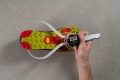
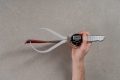
Starting with the width of the shoe, we measured 98.5 mm. That’s definitely on the wide-friendly side, but let’s hold judgement until we see the next two measurements.
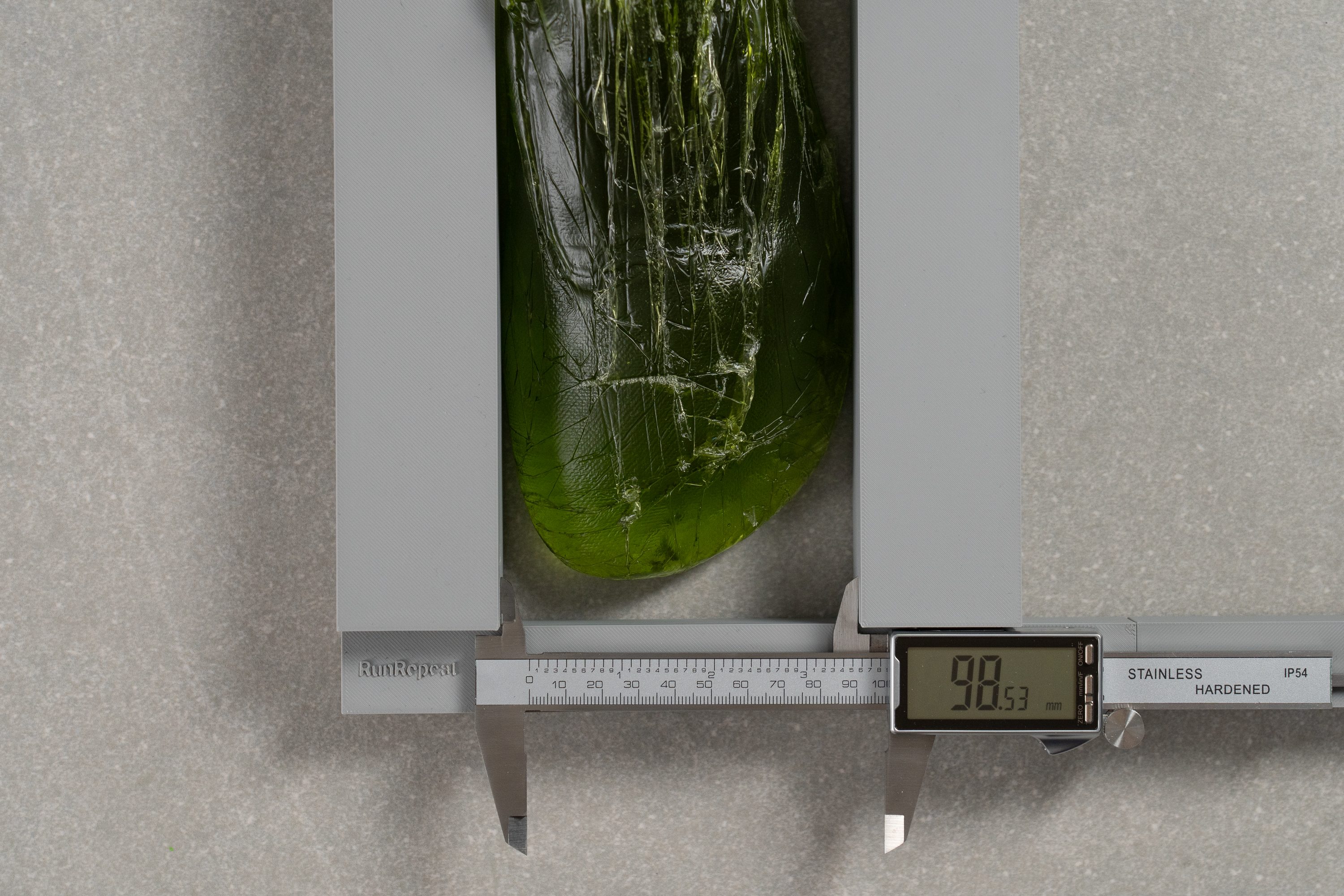
| Lone Peak 9 | 98.5 mm |
| Average | 95.5 mm |
Toebox width
Those chasing exceptional toe splay will find exactly that in the Lone Peak 9. It carries over the signature roomy fit from its predecessor and even feels slightly roomier.
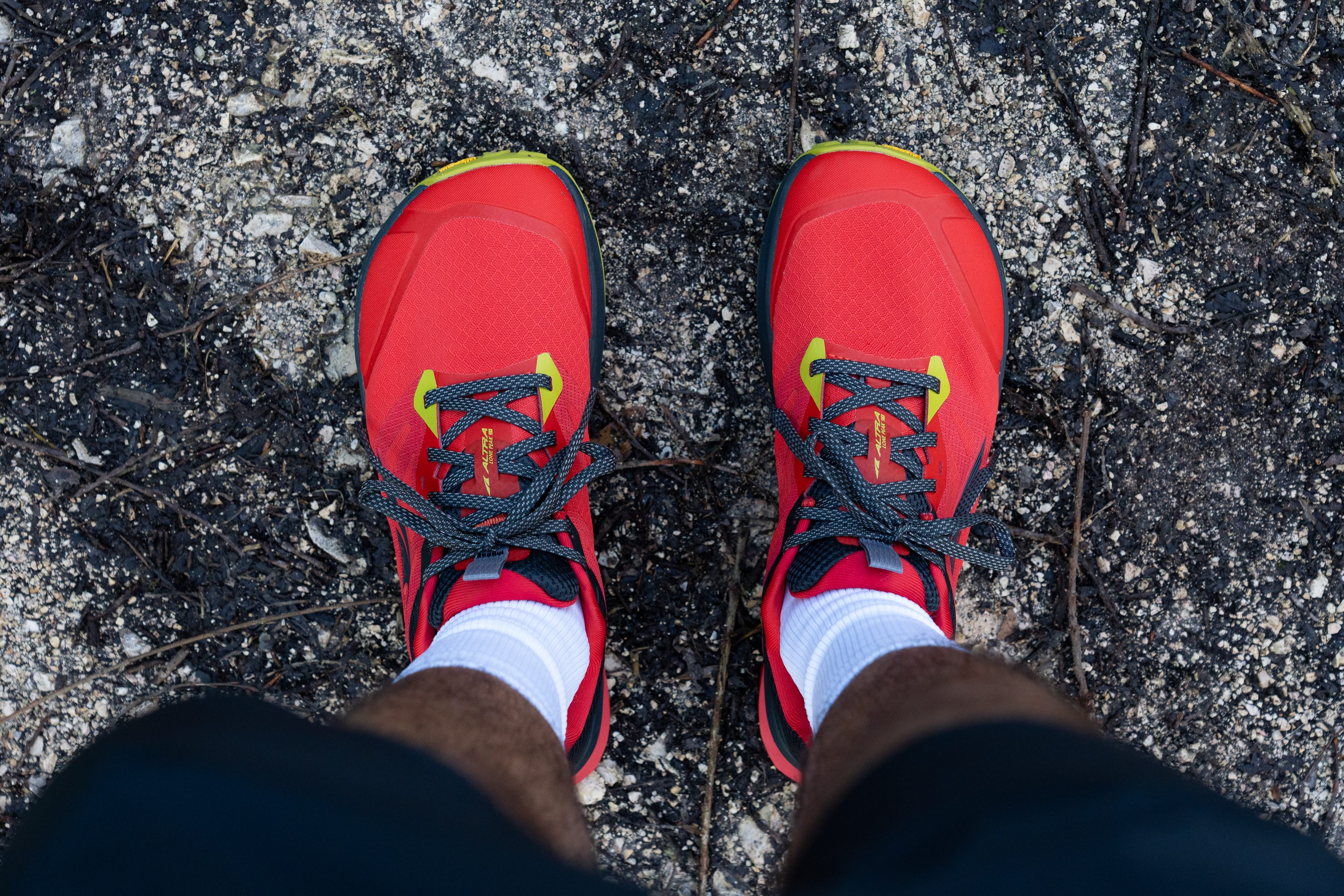
We measured 85.3 mm at the big toe, which is wild. The shape of the gel mould also confirms a non-tapered silhouette. And for even more options, Altra offers this model in both standard and wide versions.
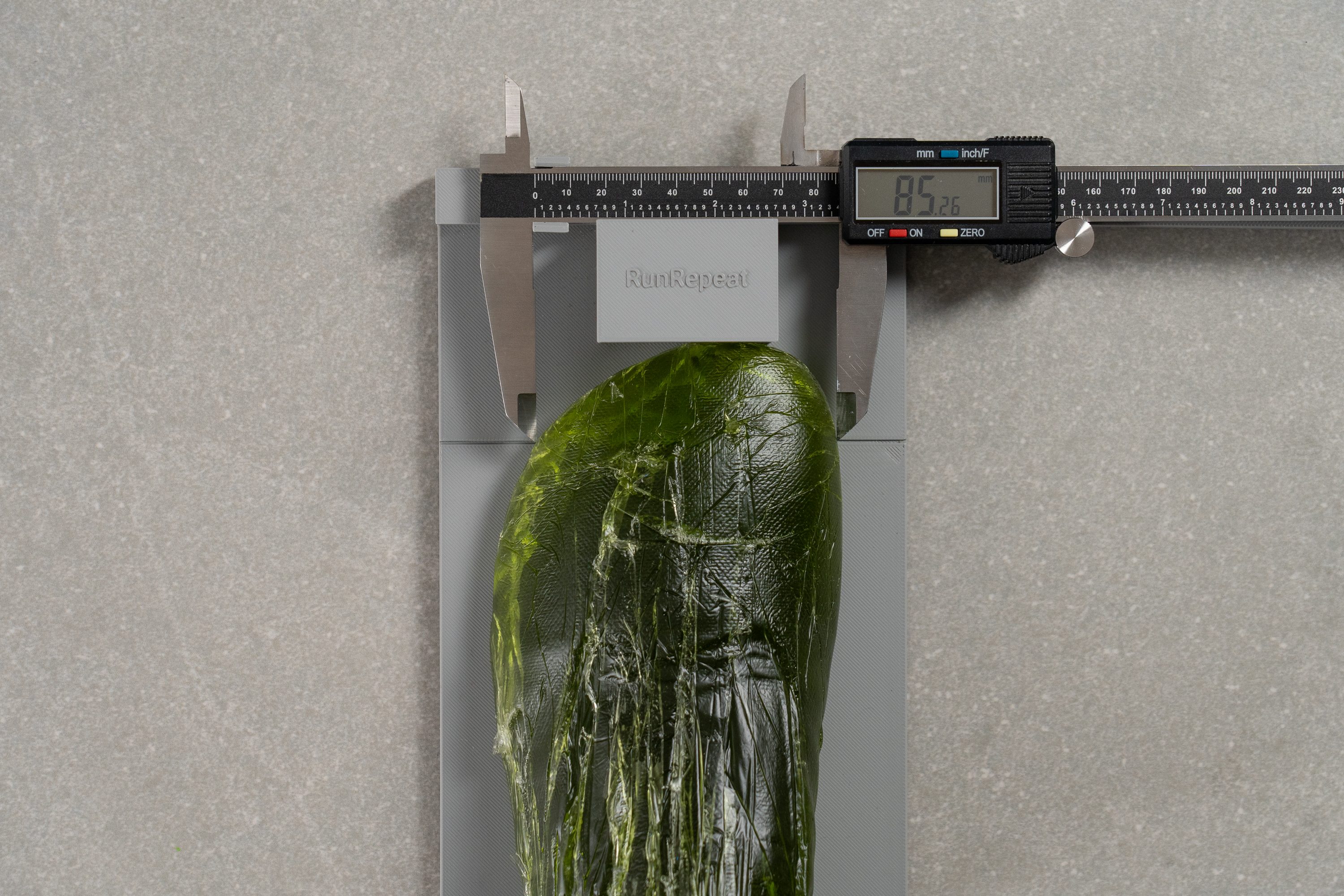
| Lone Peak 9 | 85.3 mm |
| Average | 74.5 mm |
Toebox height
Where the shoe feels slightly more limited is in vertical space—though nothing major at all.
After enjoying such generous horizontal room, the average 26.8 mm of toe height maybe felt a bit snug.
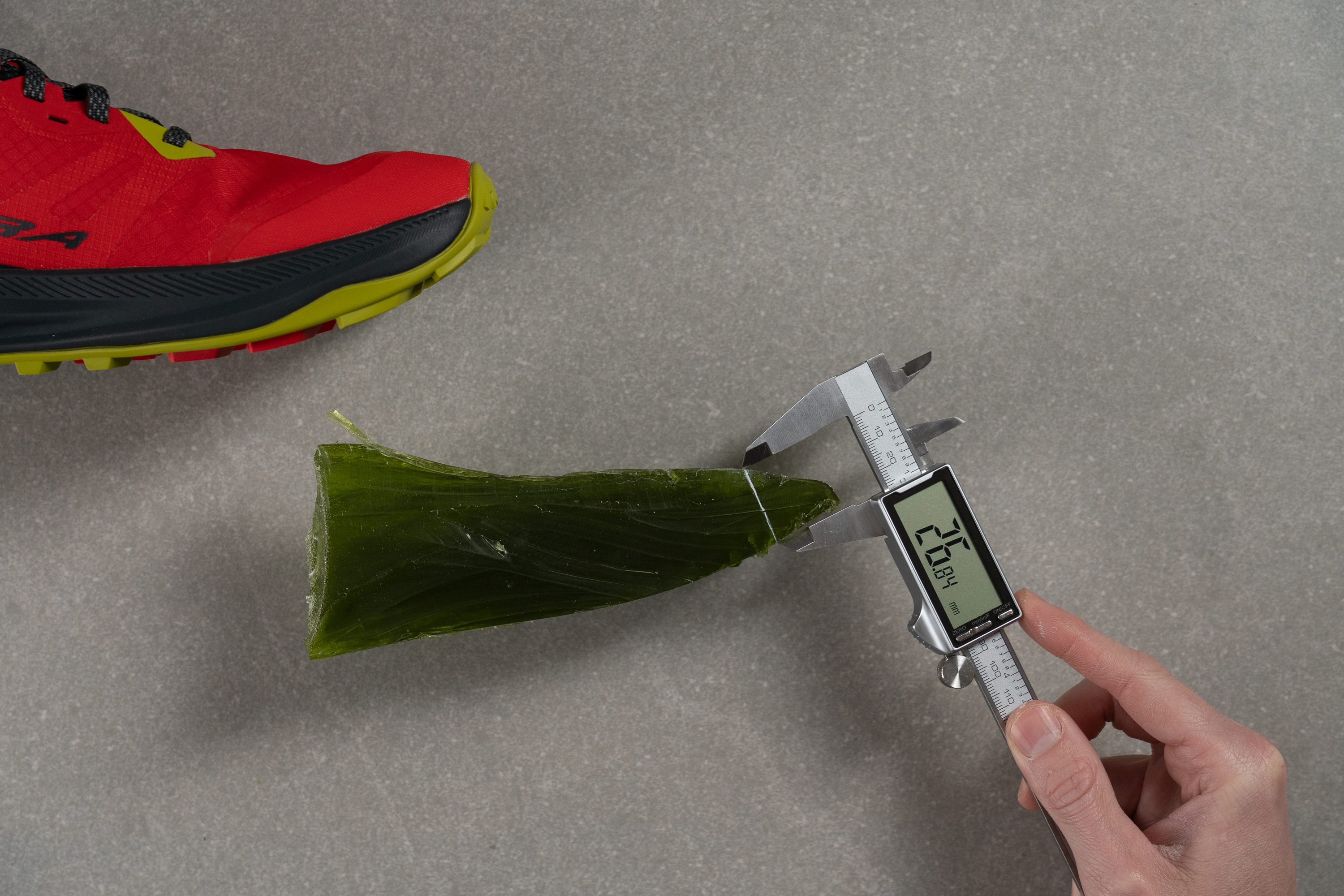
| Lone Peak 9 | 26.8 mm |
| Average | 27.2 mm |
Traction / Grip
Forefoot traction
We tested the Vibram version of the Lone Peak 9, and as expected, the traction matched the terrain well thanks to the Megagrip rubber. Still, we were hoping for a stronger bite in our wet test, but its 0.37 score remains decent for rainy-day outings.
| Lone Peak 9 | |
| Average | 0.59 |
Lug depth
The Midsole softness soft to firm+ features aggressive 3.8 mm lugs that deliver confident grip across a wide range of trail conditions. Their arrow-shaped layout ensures good traction during climbs and controlled braking on descents, and we think it's better suited for easy and moderate trails.
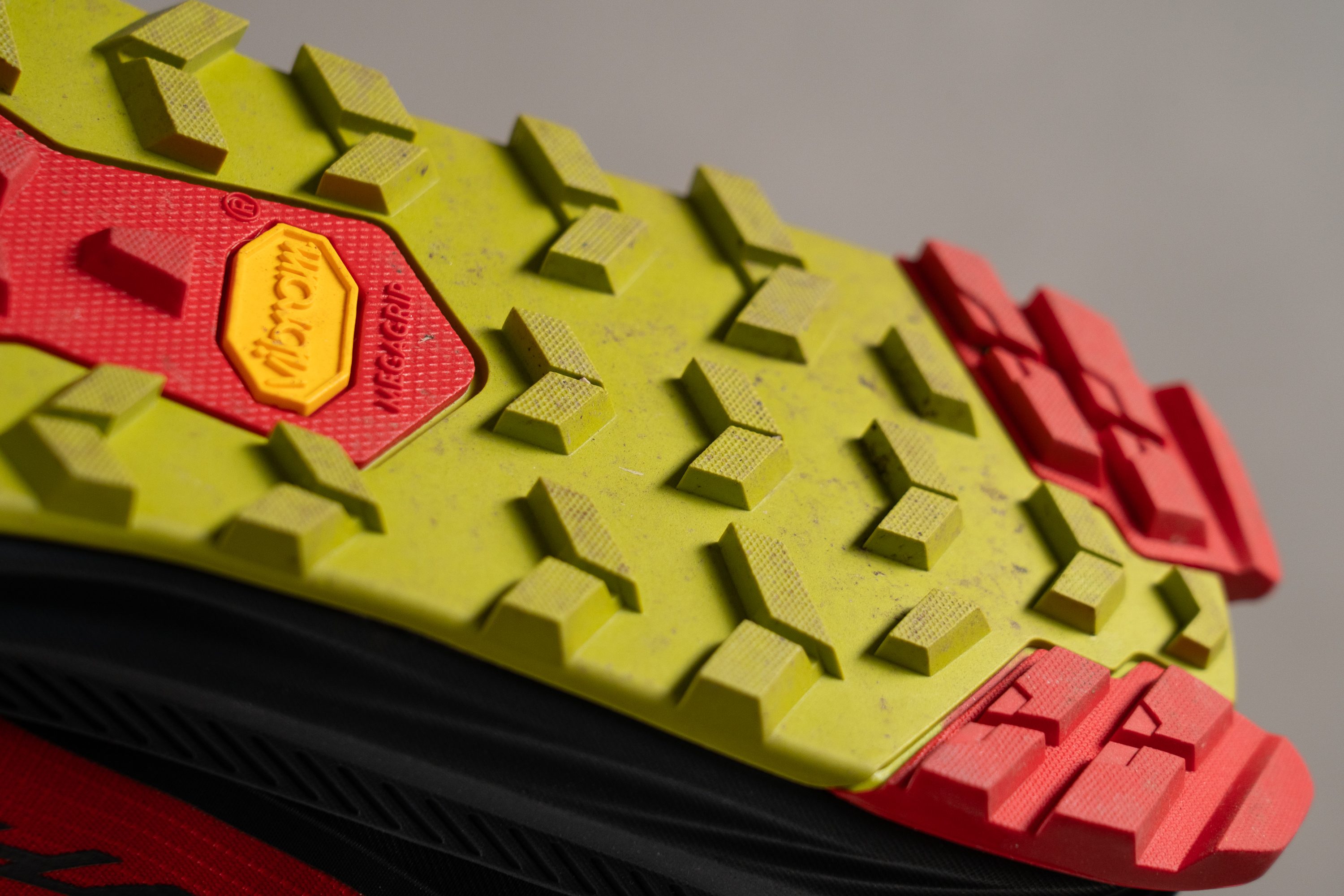
We found that the multi-directional pattern works especially well on loose gravel and dry dirt, but still holds up when transitioning to wet roots or muddy stretches.
| Lone Peak 9 | 3.8 mm |
| Average | 3.5 mm |
Outsole design
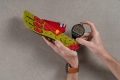
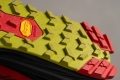
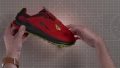
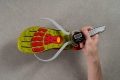
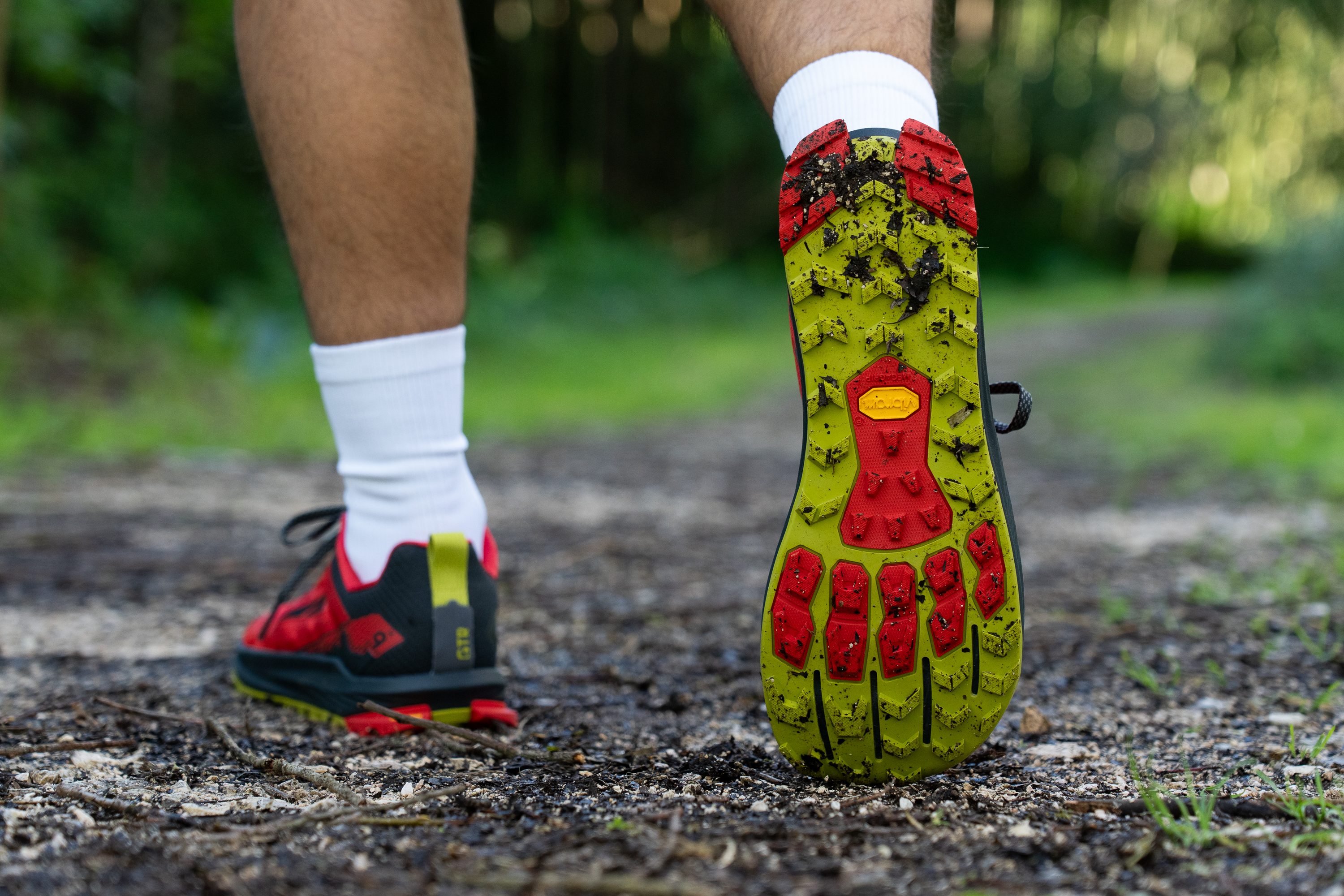
NewThe Lone Peak 9 features a full-length Vibram Megagrip outsole made of two-tone rubber in lime green and red. As usual, its layout mirrors the natural shape of the human foot, with segmented zones aligned to toe and metatarsal anatomy.
Flexibility / Stiffness
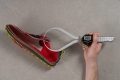
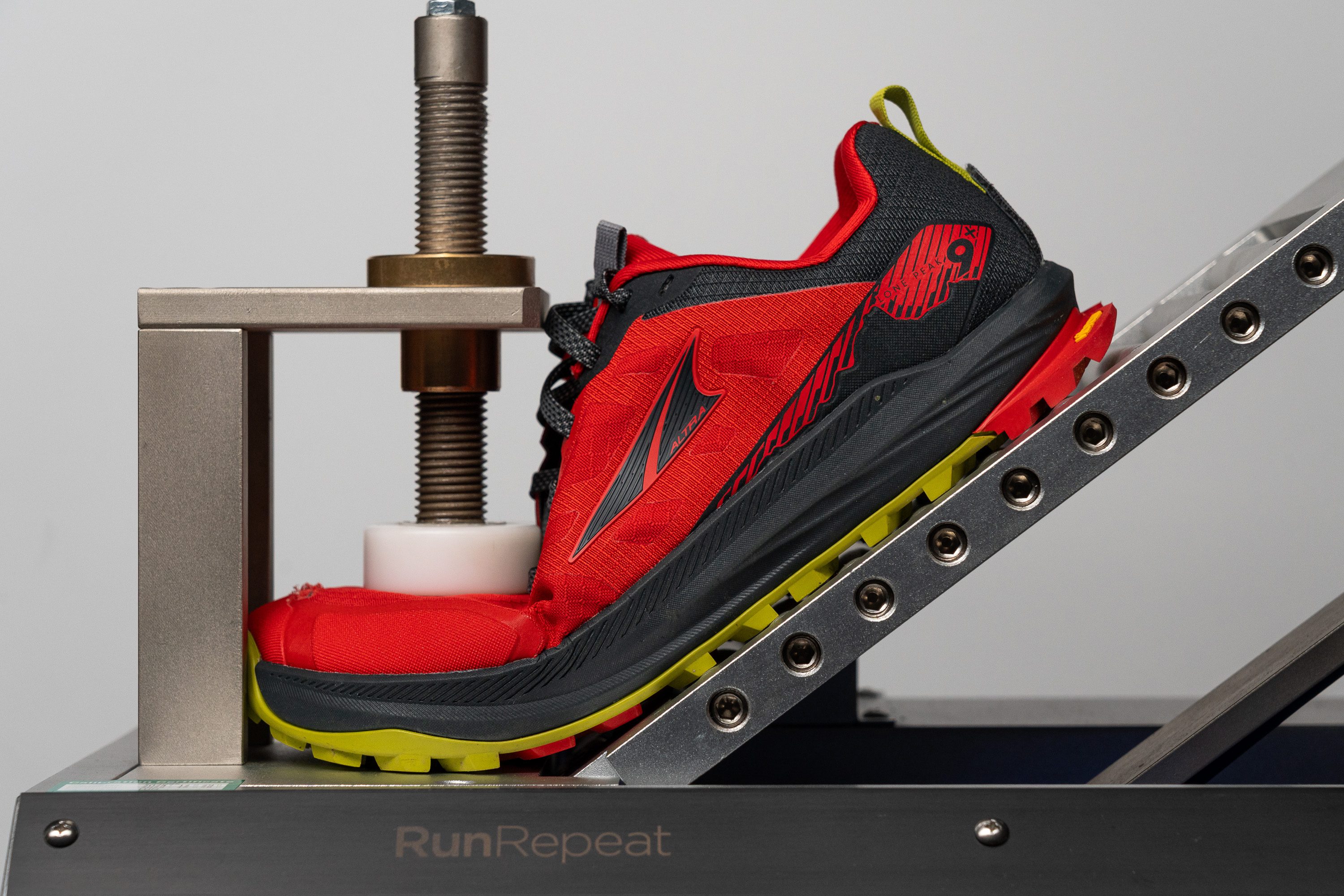
The Lone Peak has always been a highly-flexible trail shoe, but that’s clearly shifting with every update. We tested it again with our new 30-degree bend protocol and needed 12.0N, which is still a good result, but we expected more flex from a Lone Peak. For comparison, the Olympus 6 scored 17.5N in this same test.
However, we believe that Lone Peak’s essence lies in its flex feel, and that's something the last updates are starting to compromise.
| Lone Peak 9 | 12.0N |
| Average | 14.4N |
Weight
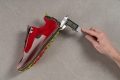
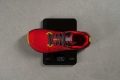
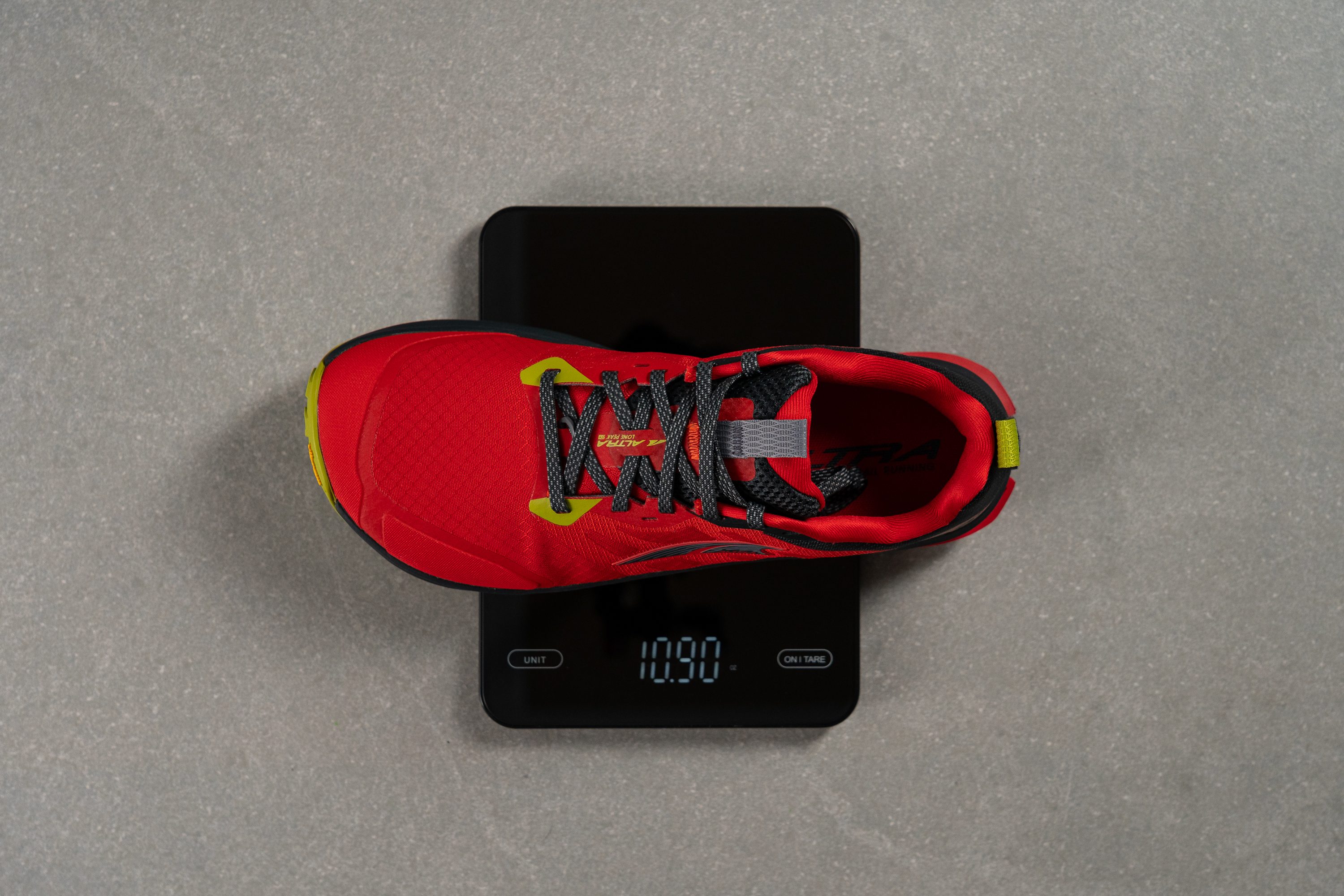
More disappointing news here, as we found the Lone Peak 9 tipping our scale at 10.9 oz or 309g—a weight that feels out of place for a low-stack trail shoe with a grounded profile.
That’s also a noticeable jump from its predecessor, which we measured at 10.15 oz or 288g. Even that felt slightly heavy, but at least it landed within a tolerable range. Come on Altra, this shoe deserves to drop below 10 oz for version 10!
| Lone Peak 9 | 10.9 oz (309g) |
| Average | 10.2 oz (289g) |
Breathability
For those eyeing the Midsole softness soft to firm for hot summer trail adventures, it's worth noting that this version's breathability is quite limited.
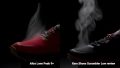
To assess this, we connected our smoke machine to a 3D-printed piece and directed it into the toebox. The smoke remained trapped inside, leading us to assign the LP9 a modest 2/5 rating. In our view, that's adequate for cooler days but less ideal for warmer conditions.
Further inspection involved moving the upper over our LED light. The fabric blocked the light entirely, reinforcing our earlier findings.
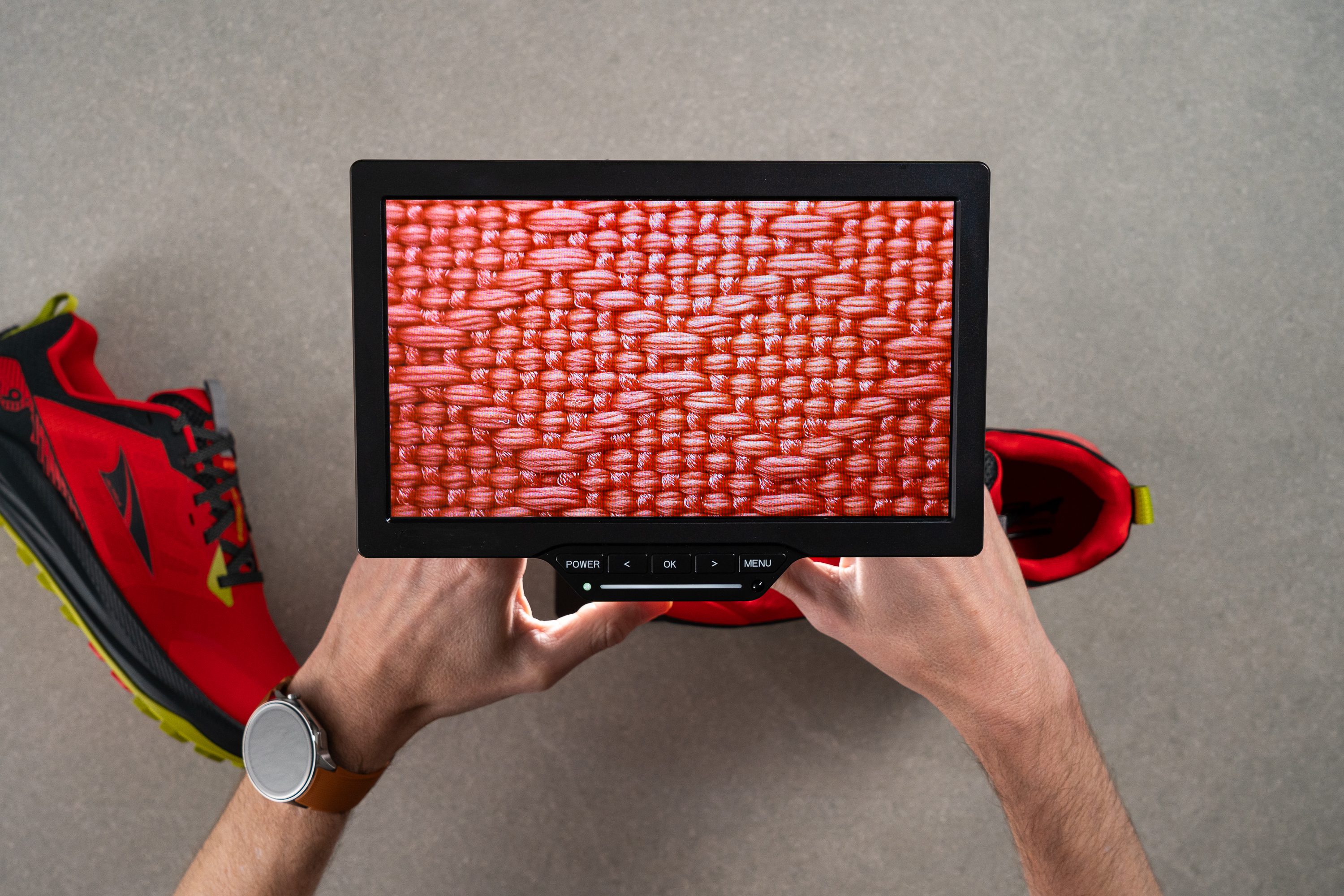
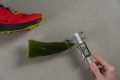
Curious about the material, we examined the mesh under our microscope. The results were clear—there are simply no pathways for air or moisture to escape!
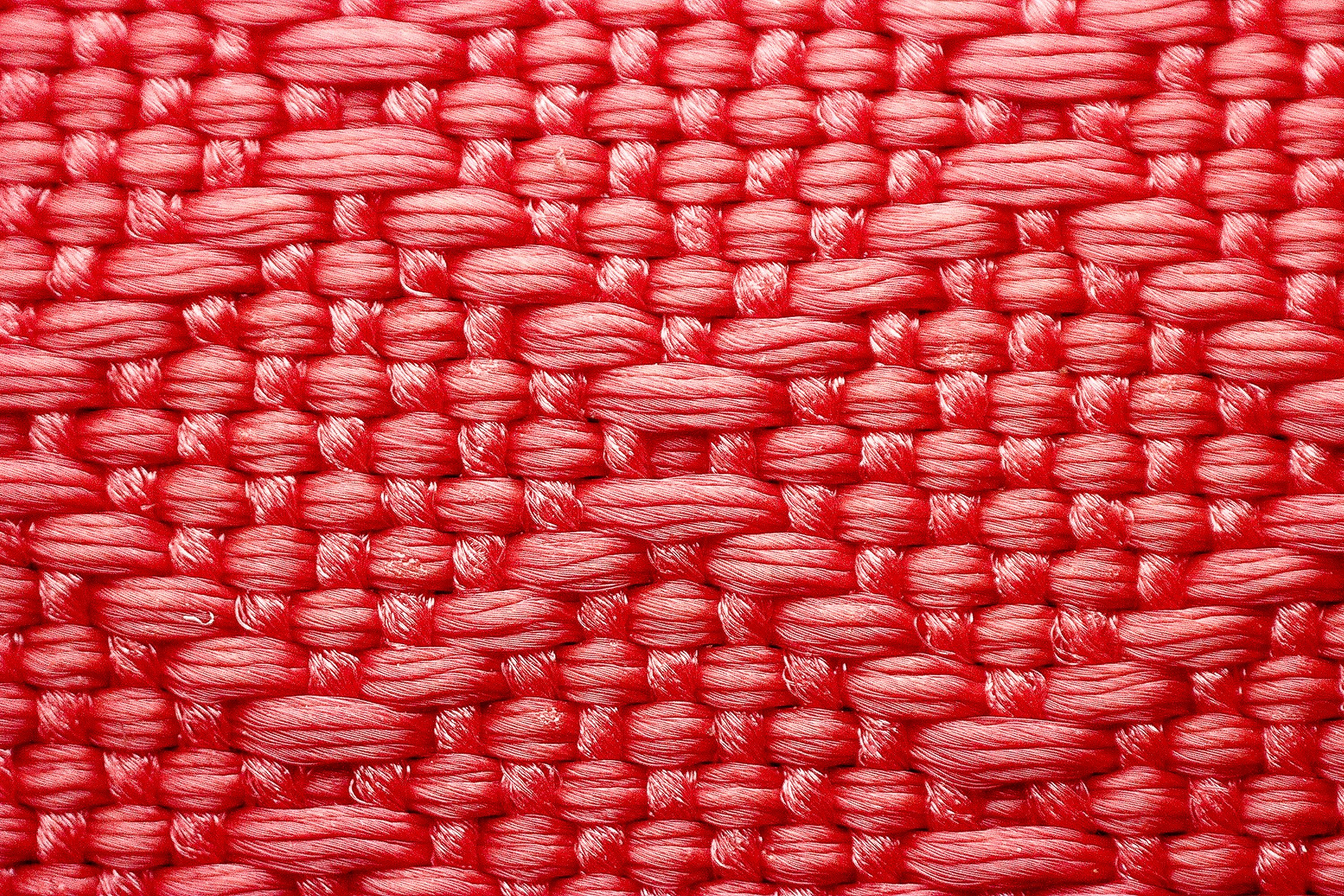
The upper's sturdy, non-stretch design suggests it's built for rugged adventures. Moreover, the lack of ventilation holes could enhance durability—a factor we'll also check in this review.
| Lone Peak 9 | 2 |
| Average | 3.3 |
Stability
Lateral stability test
We found that the shoe delivers a really confidence-boosting ride that feels stable underfoot—though to be honest, that's something we expected from its low-stack geometry.
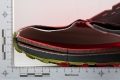
Altra kept the midsole sidewalls similar to the previous version—these offer extra guidance for midfoot strikers and add a touch of support. While they may feel slightly intrusive for some, we believe the trade-off is absolutely worthwhile.
Torsional rigidity
While the Lone Peak 9 isn’t taller than earlier versions, we found it getting slightly more rigid. Last year it scored a 2/5 in this test—this time it jumps to 3/5, which may bother natural-ride fans.
| Lone Peak 9 | 3 |
| Average | 3.6 |
Heel counter stiffness
On the other hand, the heel counter stays extra-flexible and comfortable, wrapping the foot with ease. It also keeps the low-cut ankle collar which not everyone loves. We rated it 2/5 again, and we're glad Altra kept it like this.
| Lone Peak 9 | 2 |
| Average | 3 |
Altra Lone Peak 9
The LP8 came with just 108.3 mm of max width in the forefoot, and this time we’re getting a bit more. That’s the key reason it felt slightly more stable—now measuring 112.2 mm and aligning better with average trail shoes.
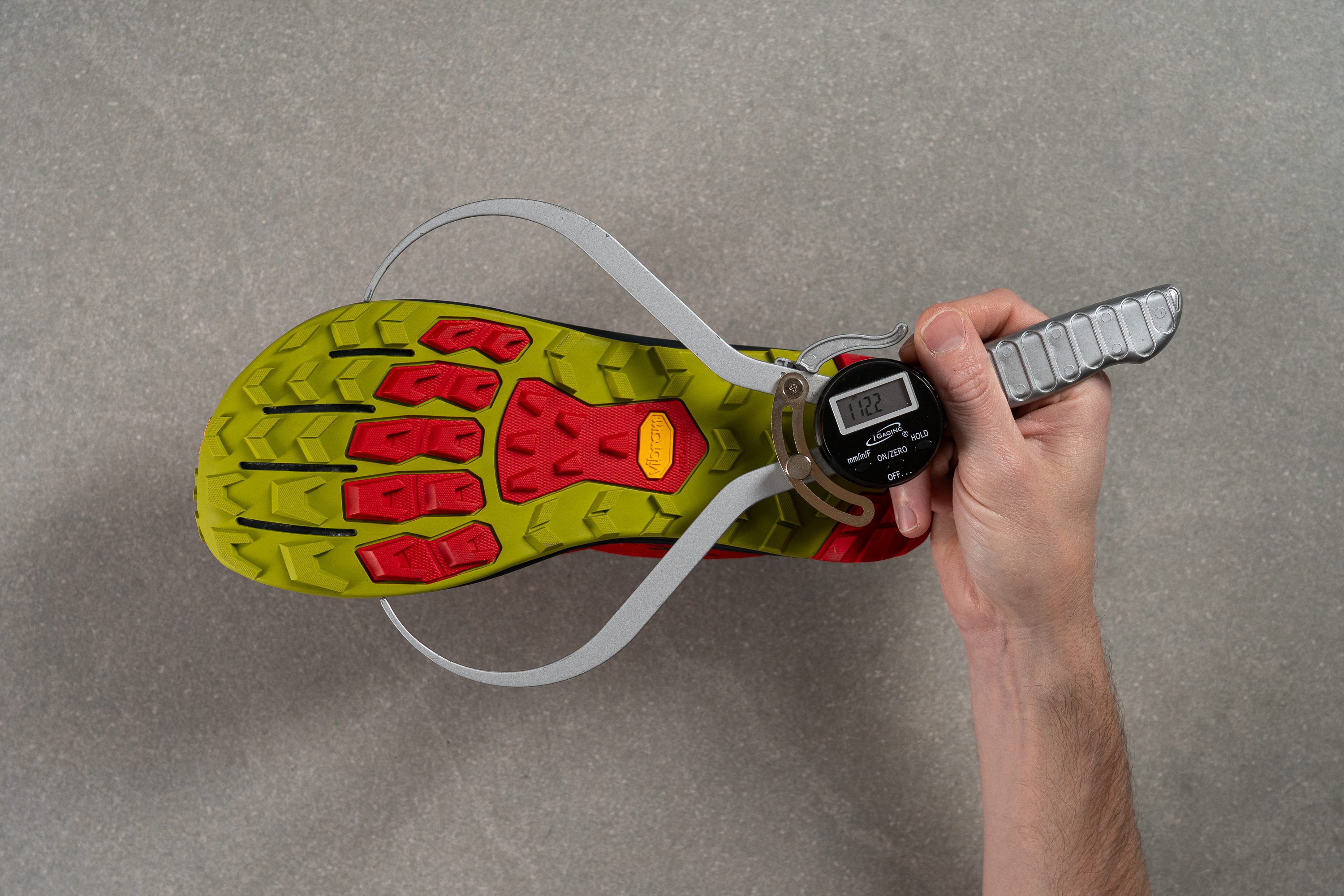
| Lone Peak 9 | 112.2 mm |
| Average | 112.5 mm |
Midsole width - heel
The heel remains impressively narrow at 82.1 mm, and we fully support that move.
In a 0.0 mm drop shoe designed for agile movement, a wide-and-clunky heel would only take away from the nimble ride that the Lone Peak 9 aims to deliver.
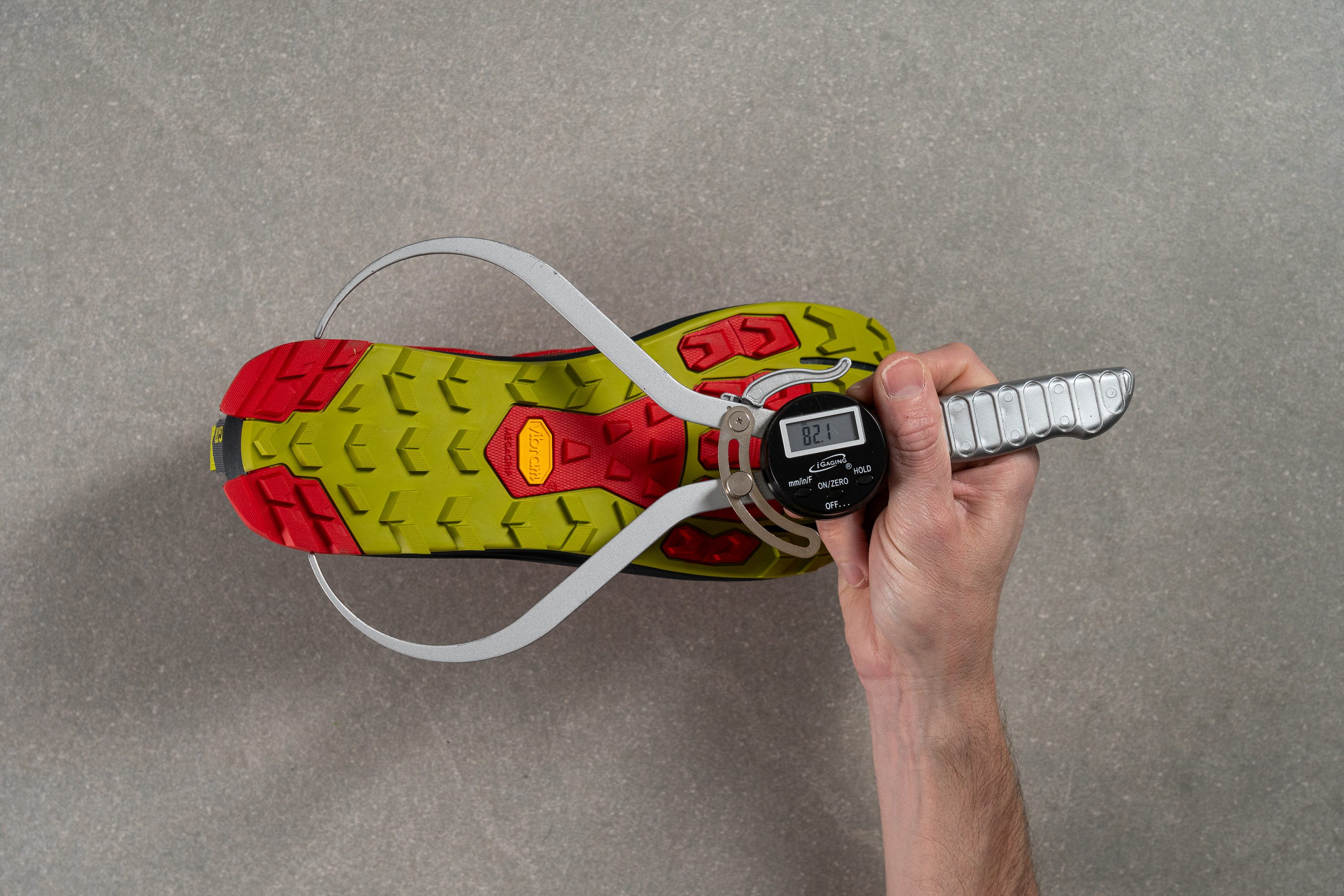
| Lone Peak 9 | 82.1 mm |
| Average | 89.6 mm |
Durability
Toebox durability
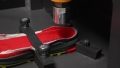
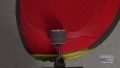
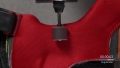
We figured that the lack of ventilation holes might give this shoe a rugged edge, so we grabbed our Dremel and went straight into testing mode to find out how it holds up under pressure.
After testing, we discovered a middle-of-the-road score of 3/5. In our view, that’s not entirely disappointing—but it’s also not what we expected from such a reinforced upper with almost zero breathability.
| Lone Peak 9 | 3 |
| Average | 3.1 |
Heel padding durability
After testing the heel padding durability, we discovered a moderate score of 3/5. Based on our findings, that’s not too bad—it’s unlikely the Midsole softness soft to firm will show early wear with average use.
| Lone Peak 9 | 3 |
| Average | 3 |
Outsole hardness
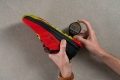
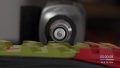
As you’ve probably already noticed, we tested the Vibram version of the Lone Peak 9—and as expected, the traction was outstanding thanks to the awesome Megagrip rubber. It clings to dry ground like claws and performs reliably on wet surfaces too.
We discovered a hardness of 86.1 HC, which matches the usual Vibram result and suggests above-average durability in long-term use.
From our experience, this is a huge jump in grip compared to the MaxTrac version!
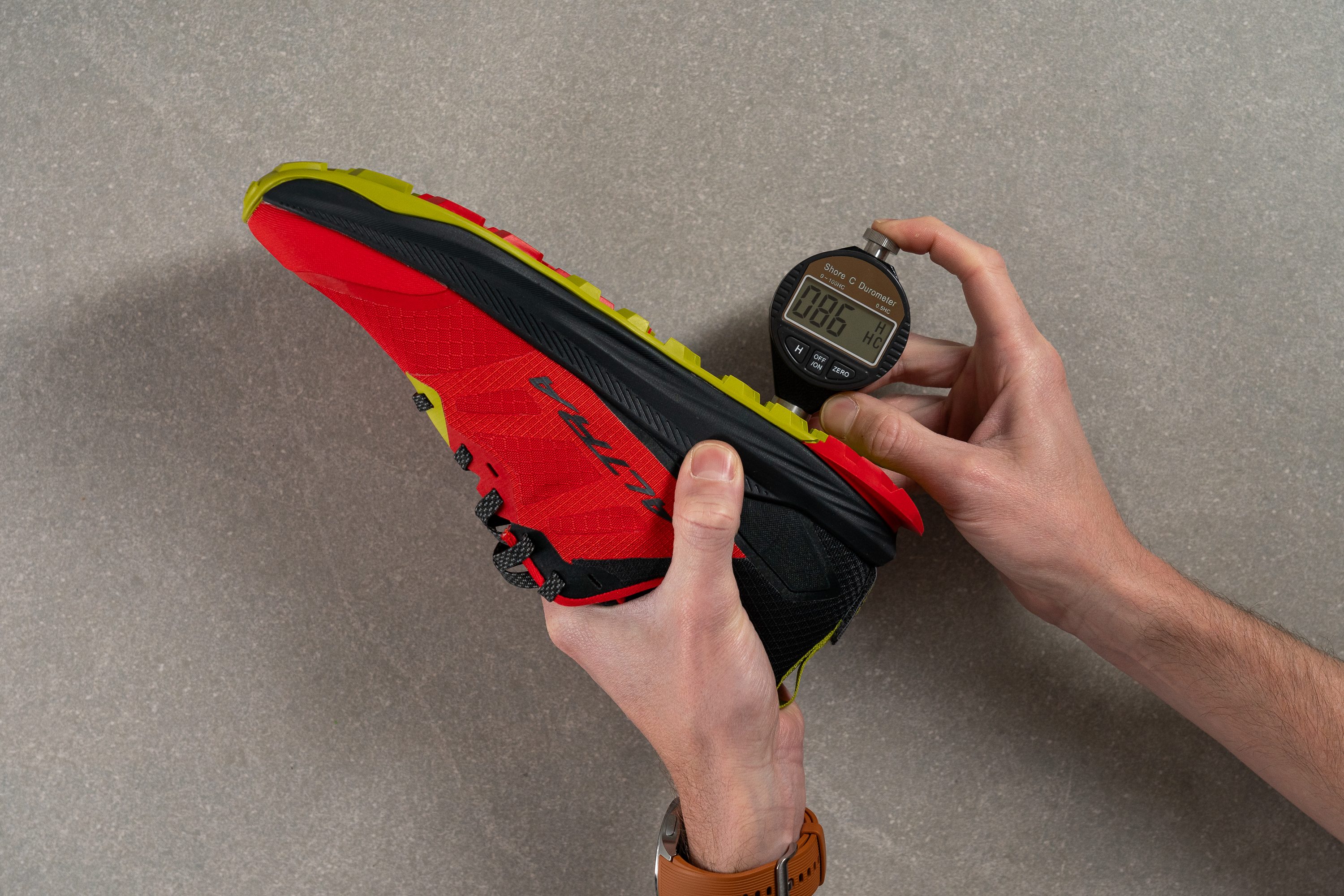
| Lone Peak 9 | 86.1 HC |
| Average | 85.8 HC |
Outsole durability
We were satisfied with the results here too—once again showing how Vibram blends trail-gripping traction with durability. After testing, we discovered a minimal wear of just 0.8 mm during our abrasion test.
| Lone Peak 9 | 0.8 mm |
| Average | 0.9 mm |
Outsole thickness
The outsole features a moderate 2.0 mm thickness, which makes sense to us—since there's no rock plate, that extra bit of underfoot protection is appreciated. However, flexibility takes a hit due to the absence of large cutouts.
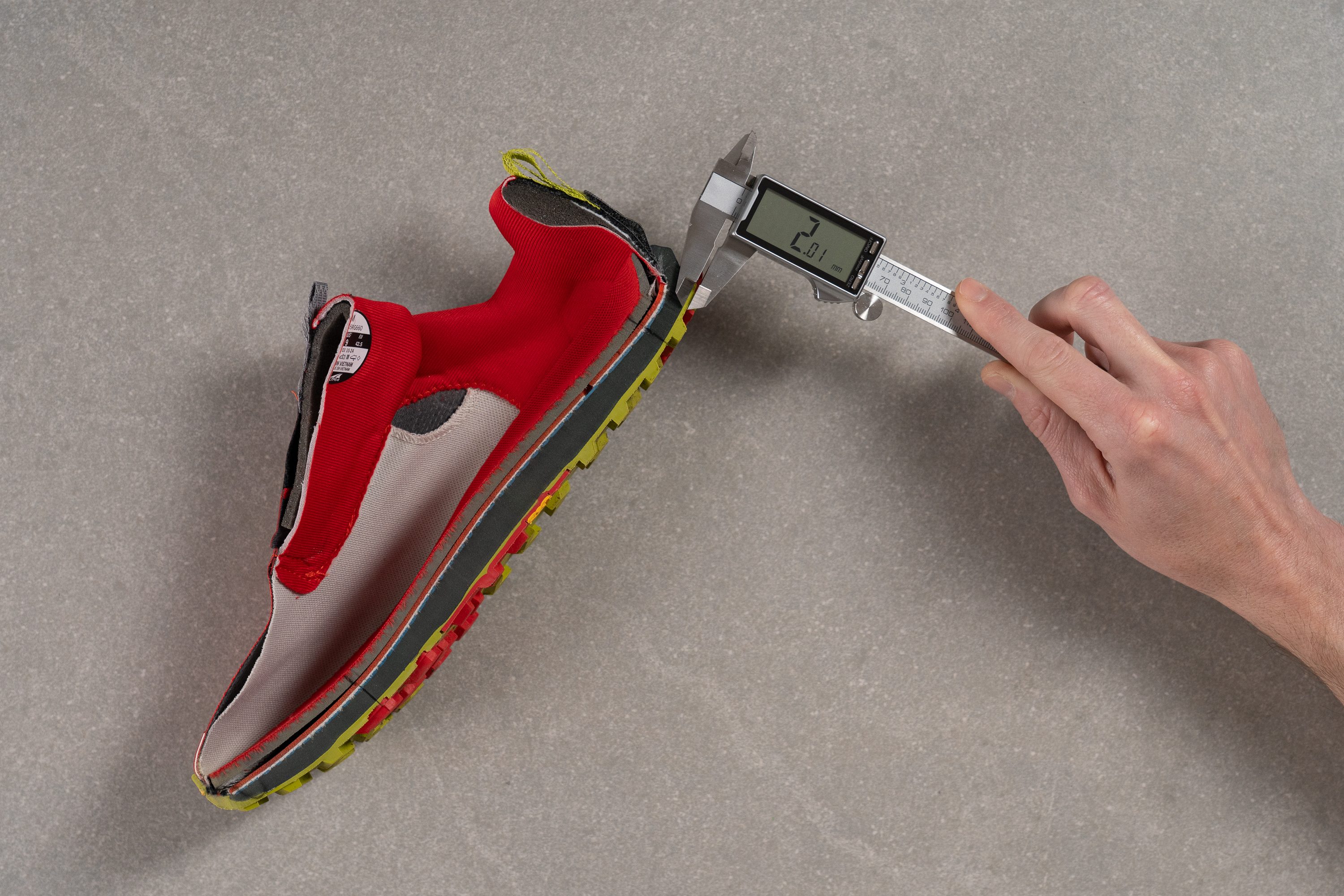
| Lone Peak 9 | 2.0 mm |
| Average | 2.3 mm |
Lone Peak 9 vs 9+
Altra released two different versions, and you might be wondering why. We know that for many, the logical move would've been a single Vibram-only release, but that likely wasn’t possible at the usual Lone Peak price. Plus, it would have come with trade-offs.
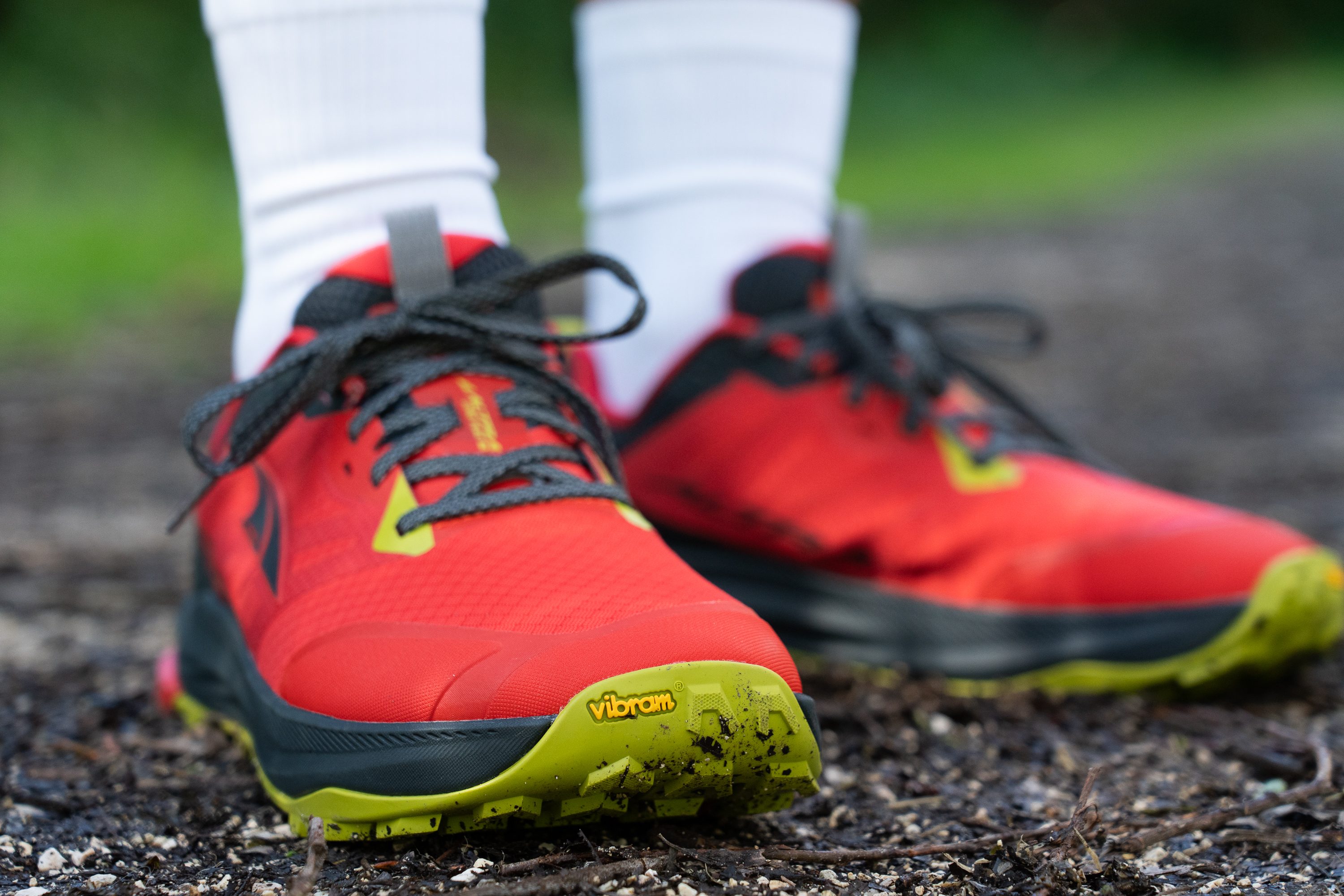
That’s why Altra launched both versions, and here’s how to pick the right one for you:
- Lone Peak 9: same price as before, MaxTrac outsole, more natural flex and a bit more of ground feel.
- Lone Peak 9+: £20 more, super-grippy Vibram outsole, slightly stiffer underfoot.
Availability adds another twist. In Europe, the standard option is the Lone Peak 9+, and it’s hard to find the cheaper MaxTrac version. Meanwhile, across the U.S. and most global markets, the Lone Peak 9 is more common—but the 9+ can still be found at select retailers and Altra’s site.
Misc
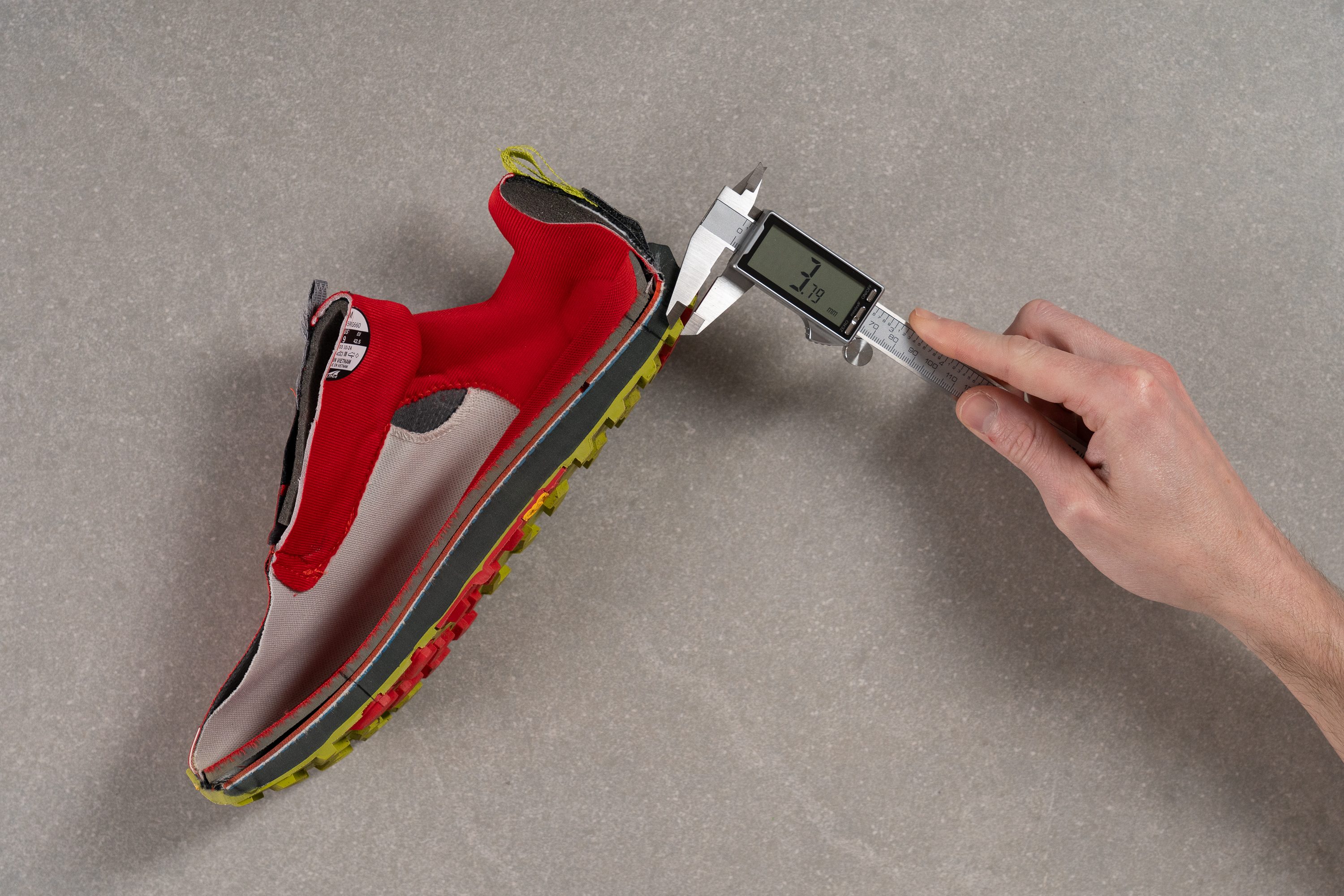
Insole thickness
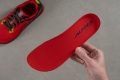
According to our measurements, the insole of the Lone Peak 9 comes in at 4.4 mm. For those who want to go as low-stack as possible, removing it shaves off that amount of cushioning and also creates a bit more room inside the toebox.
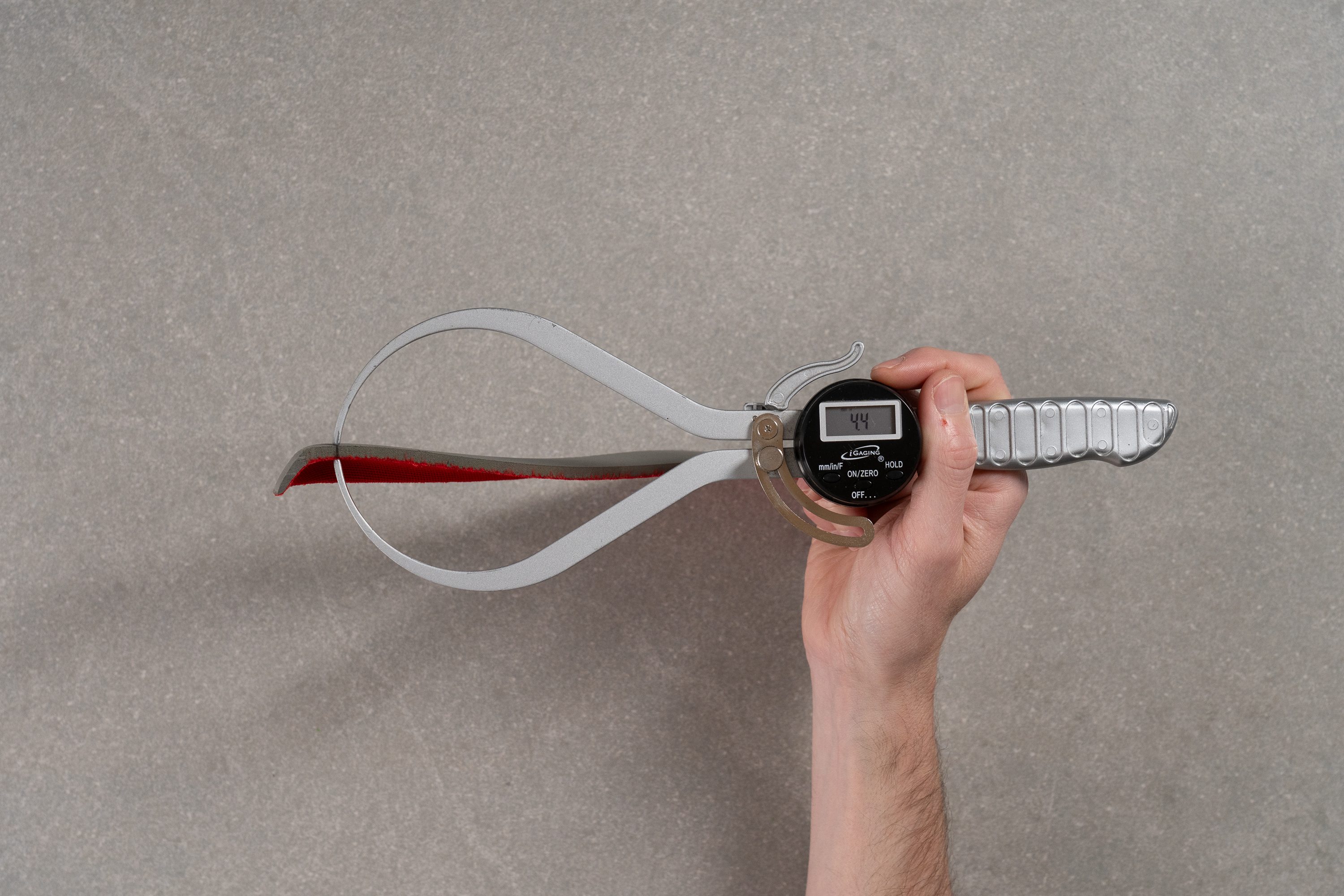
| Lone Peak 9 | 4.4 mm |
| Average | 4.7 mm |
Removable insole
No issues for us removing the Lone Peak 9’s insole, though fitting a third-completeness one can be tricky due to the uniquely-shaped, foot-friendly toebox.
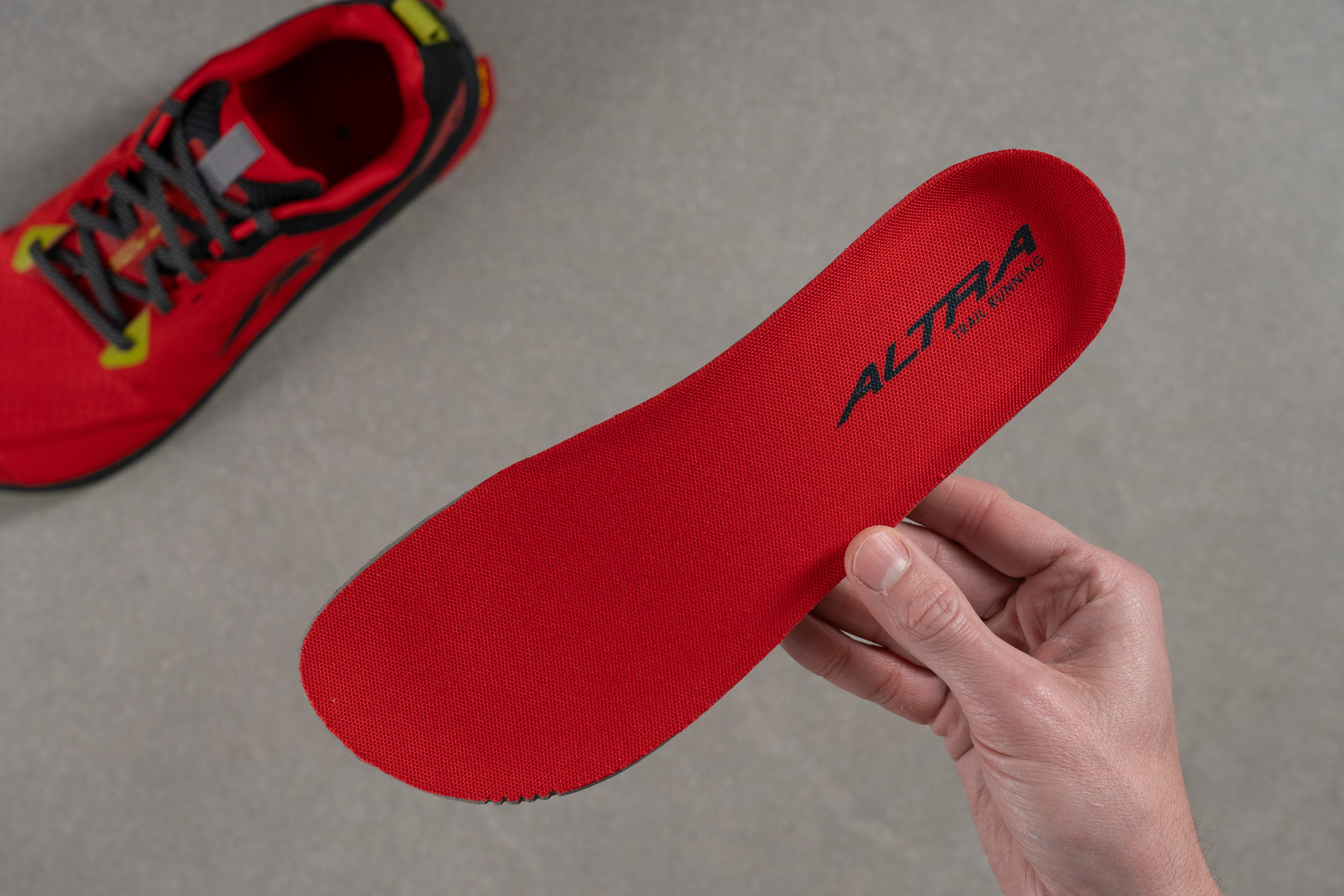
| Lone Peak 9 | Yes |
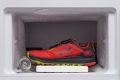
Midsole softness in cold (%)
Having two outsole versions adds confusion.
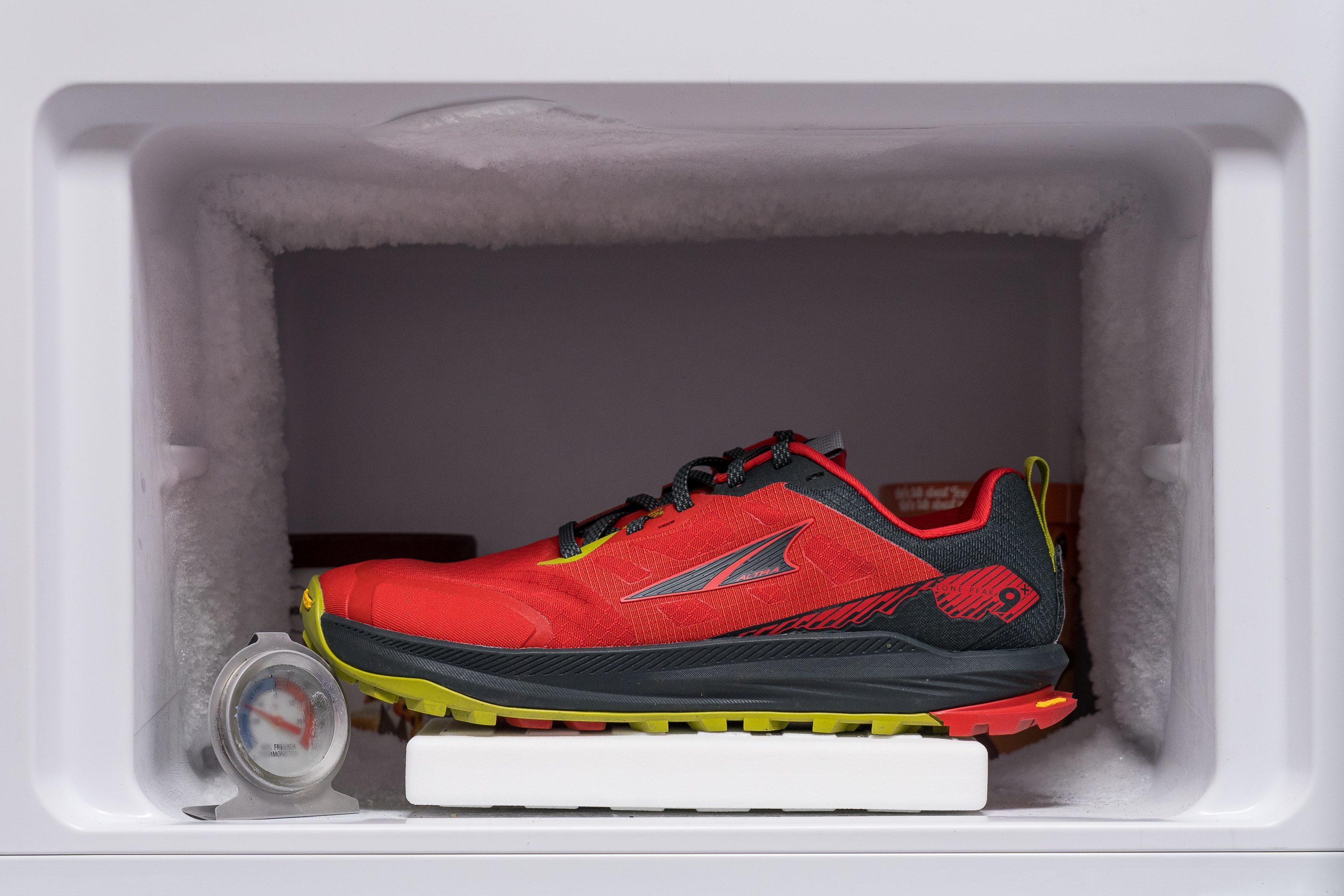
| Lone Peak 9 | 25% |
| Average | 26% |
Reflective elements
Unfortunately, the Lone Peak 9 lacks any reflective elements—a small but disappointing miss.
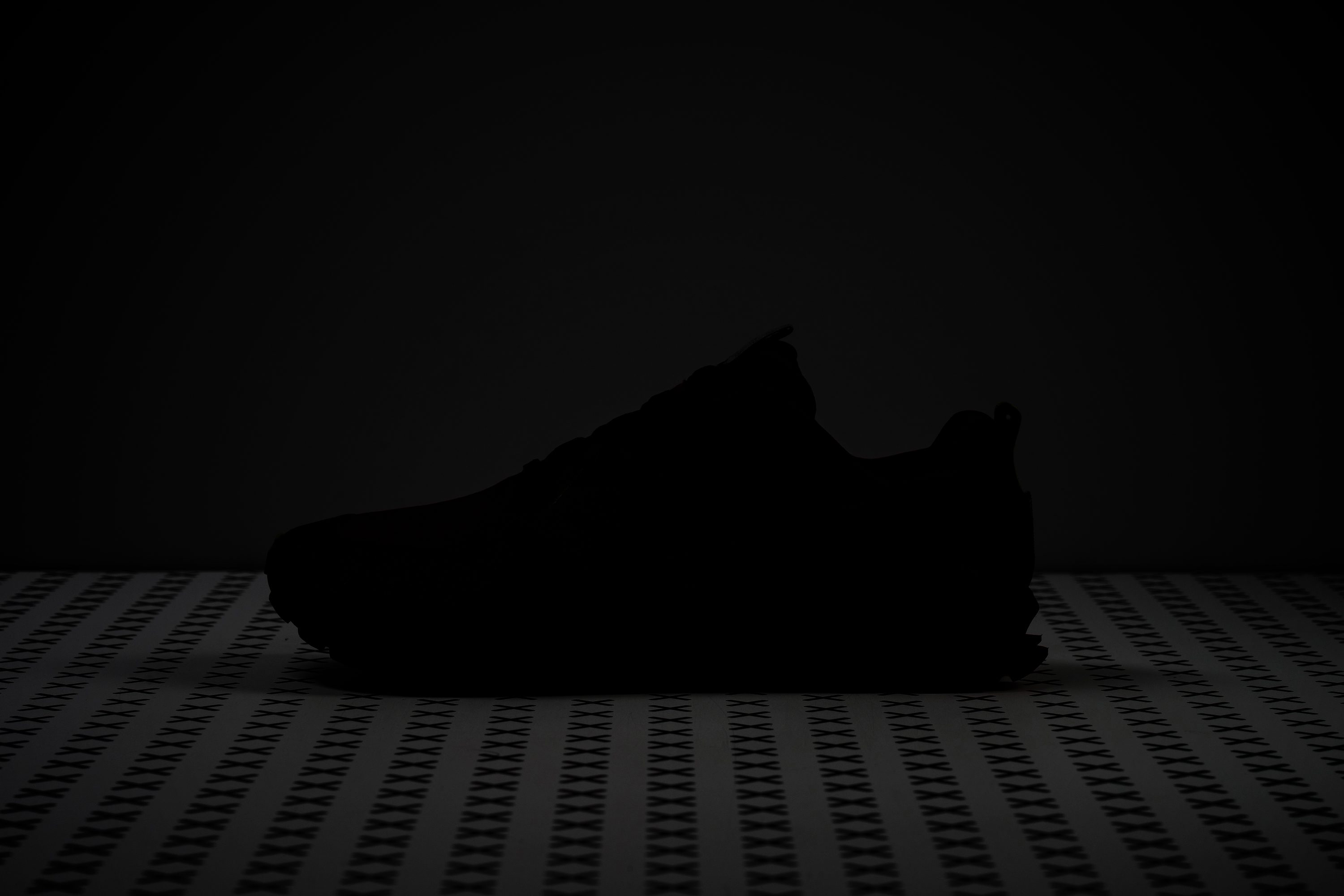
| Lone Peak 9 | No |
Tongue padding
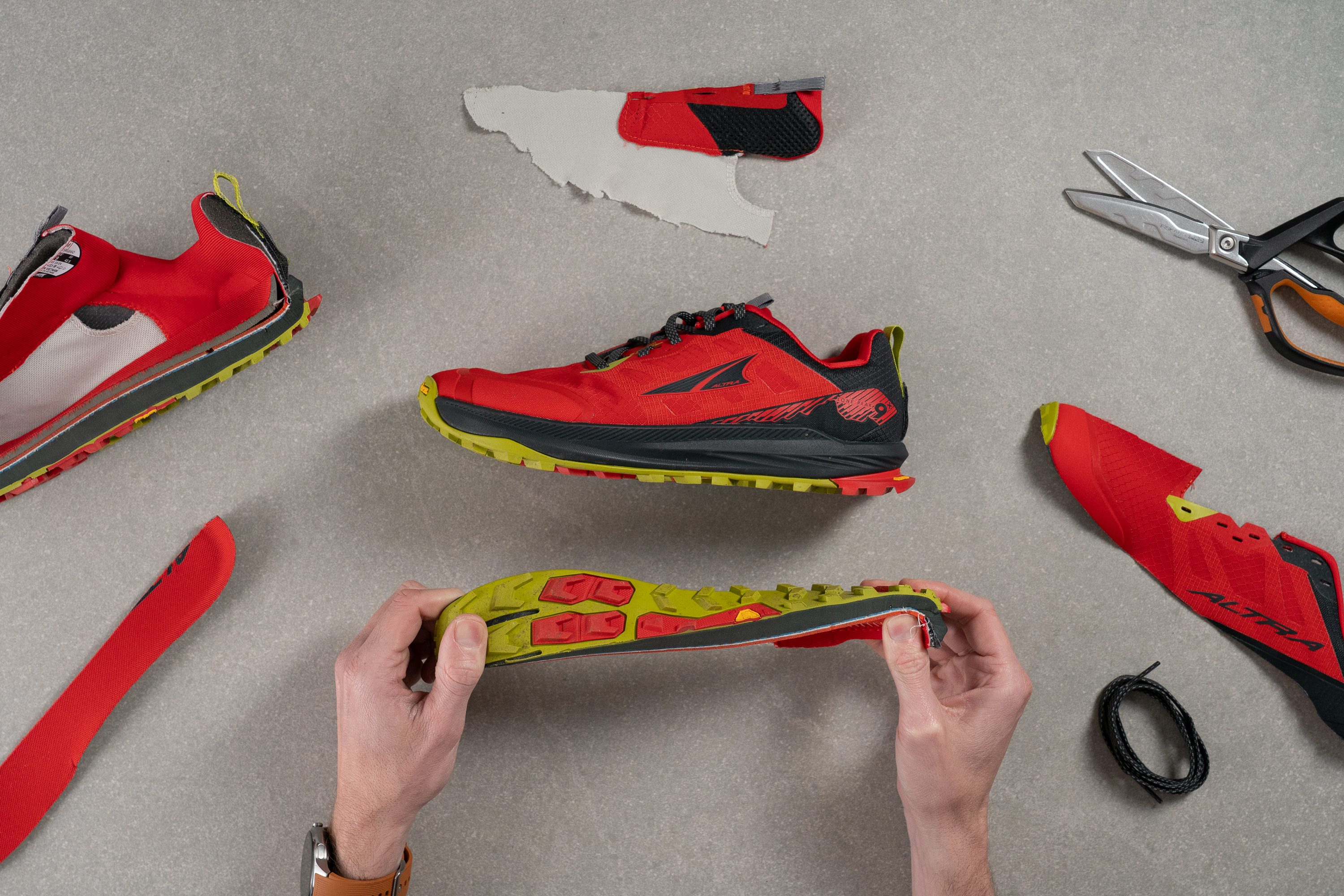
Altra took a play-it-safe approach with the lacing and tongue setup. We discovered flat, trail-ready laces paired with reinforced punched eyelets—creating a super-strong, long-lasting combo. There's also an extra eyelet for runner's knot lacing if needed.
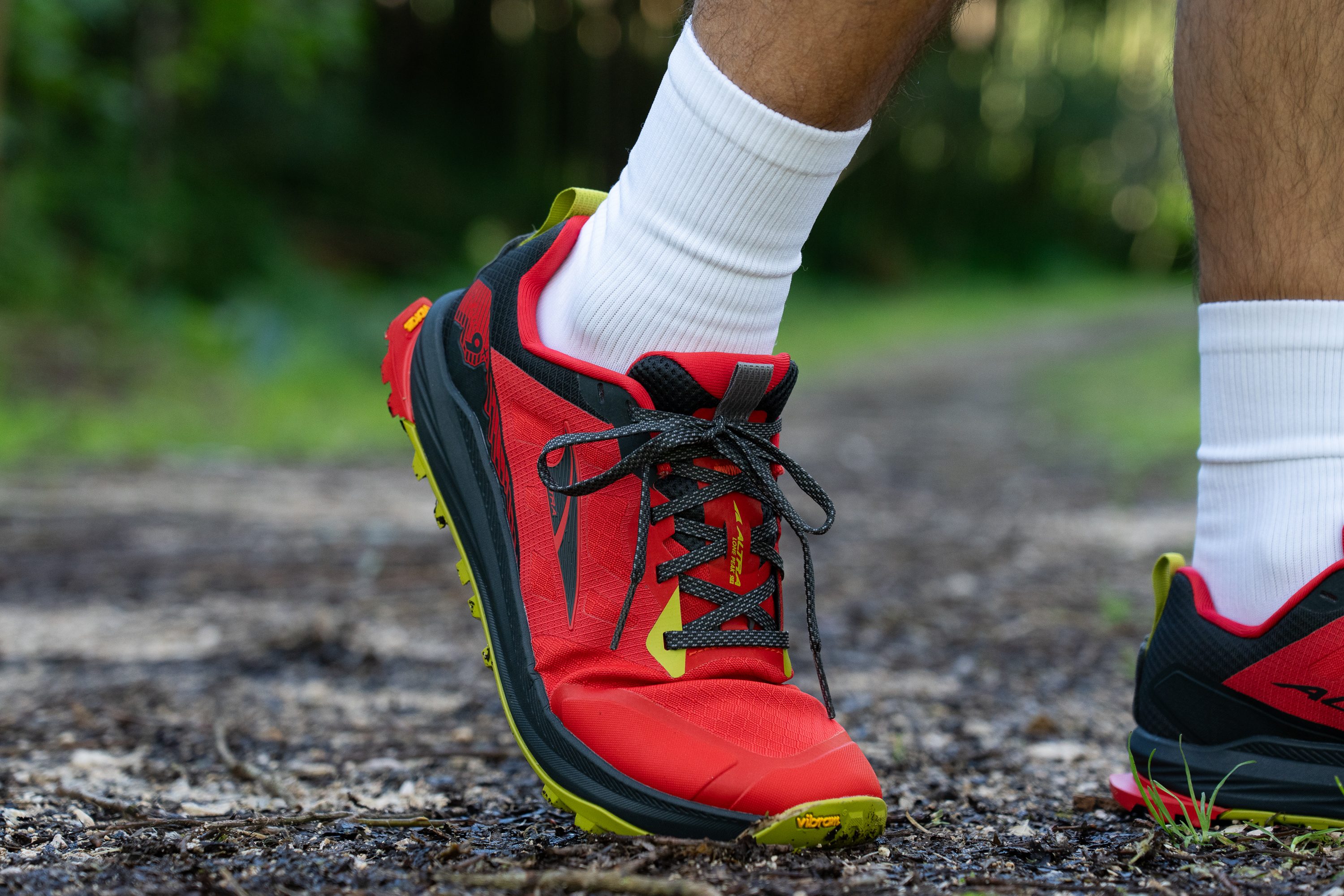
The tongue is nicely padded with 6.0 mm of foam. That's a comfortable, low-bulk setup that works great for trail use. We think it delivers enough plushness across the instep without making the shoe feel overly thick, which also matters here given its already weighty build for its size.
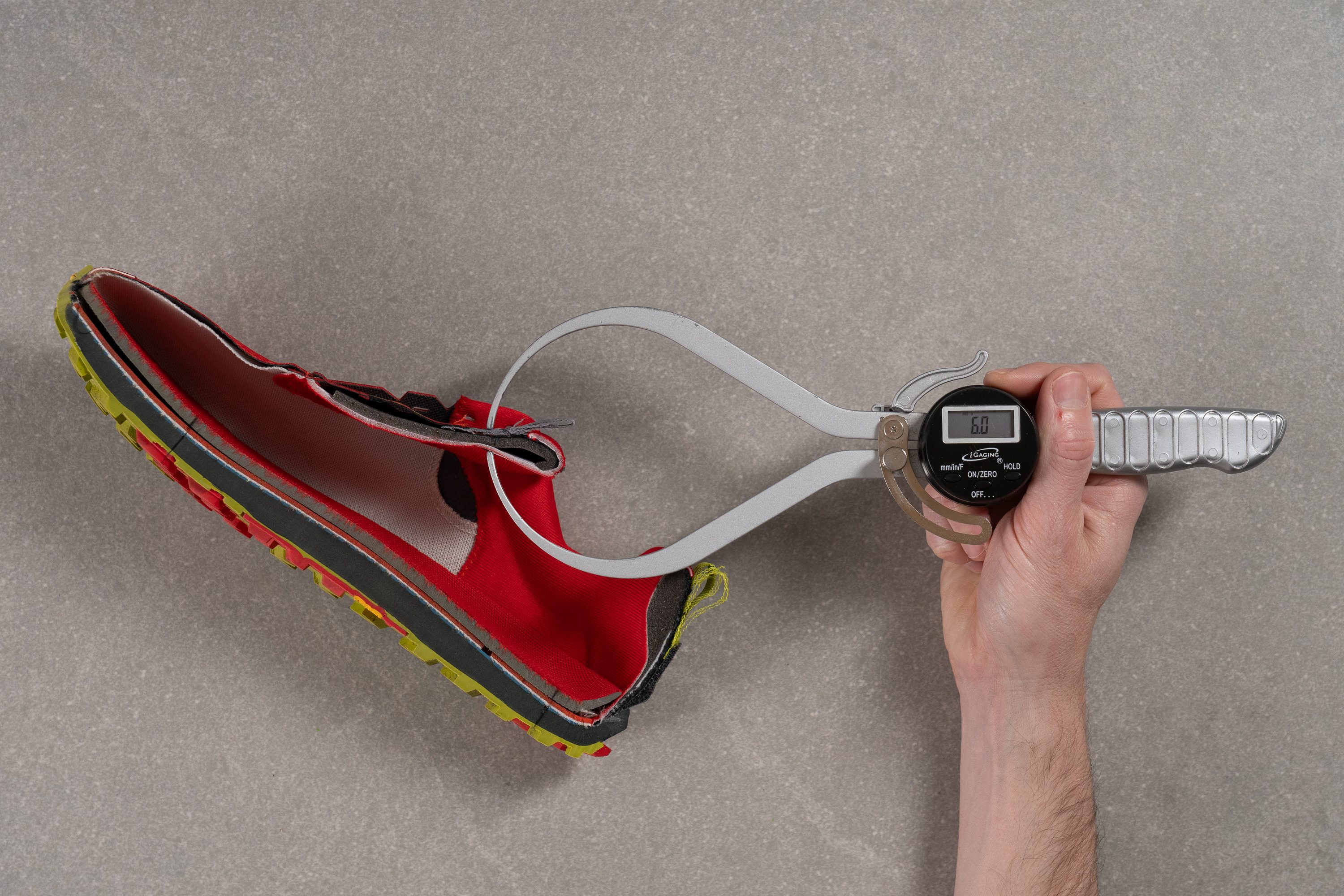
| Lone Peak 9 | 6.0 mm |
| Average | 6.4 mm |
Tongue: gusset type
We discovered that the tongue is completely attached to the sides, and that’s an ideal setup many pricier trail shoes still overlook.
It's also worth noting that, during our test runs, the Midsole softness soft to firm blocked all debris in the tongue area—though the low ankle collar may still be a concern in this regard.

| Lone Peak 9 | Both sides (full) |
Price
The standard Lone Peak keeps the usual price, so no complaints from our side. On the other hand, the Vibram version adds a slight bump, which seems justified for such a top-tier outsole.
| Lone Peak 9 | $140 |
Heel tab
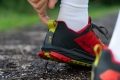
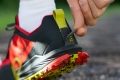
We found the familiar finger-loop heel tab from past Lone Peak models, staying consistent and giving off a nice trail-ready vibe.
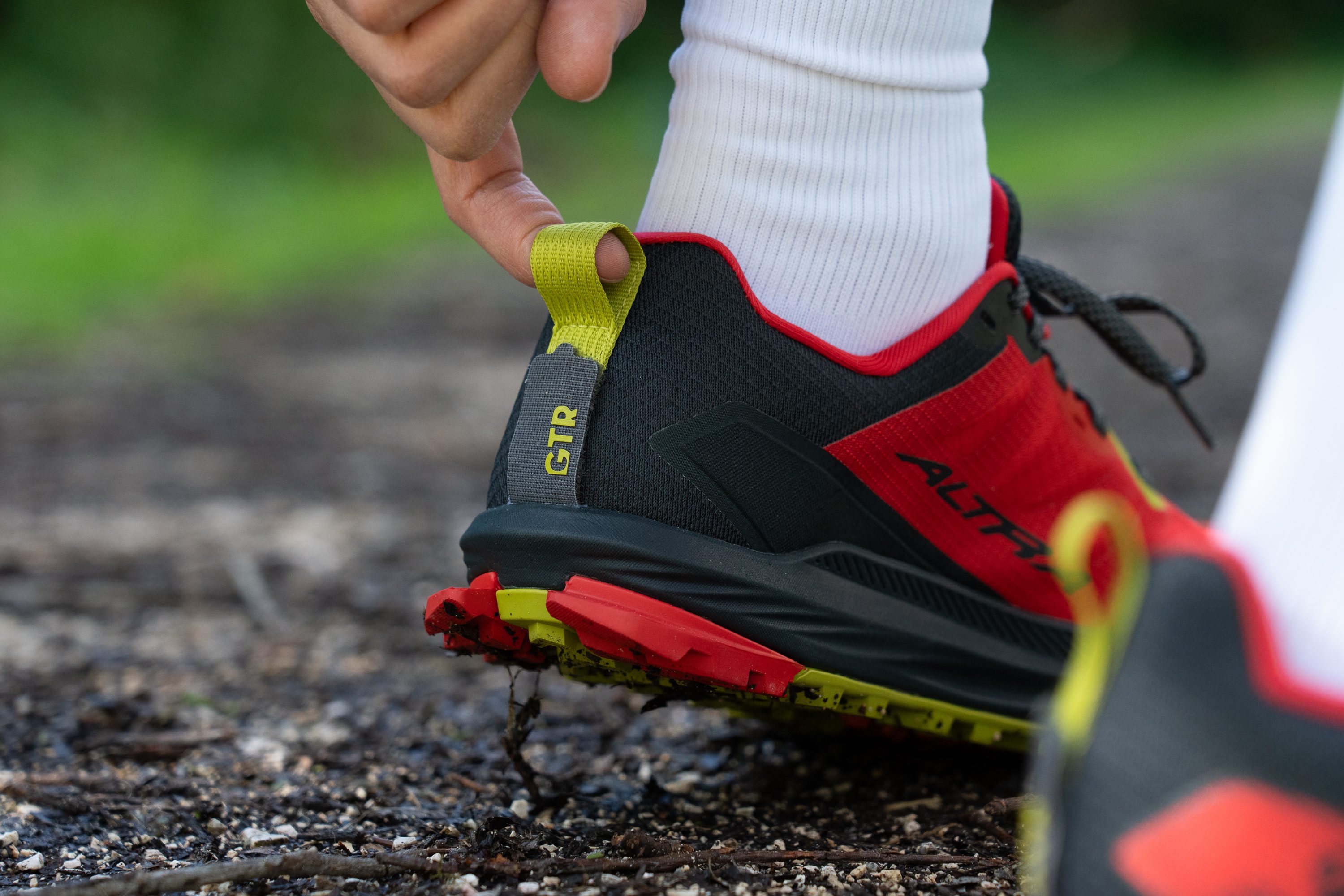
| Lone Peak 9 | Finger loop |
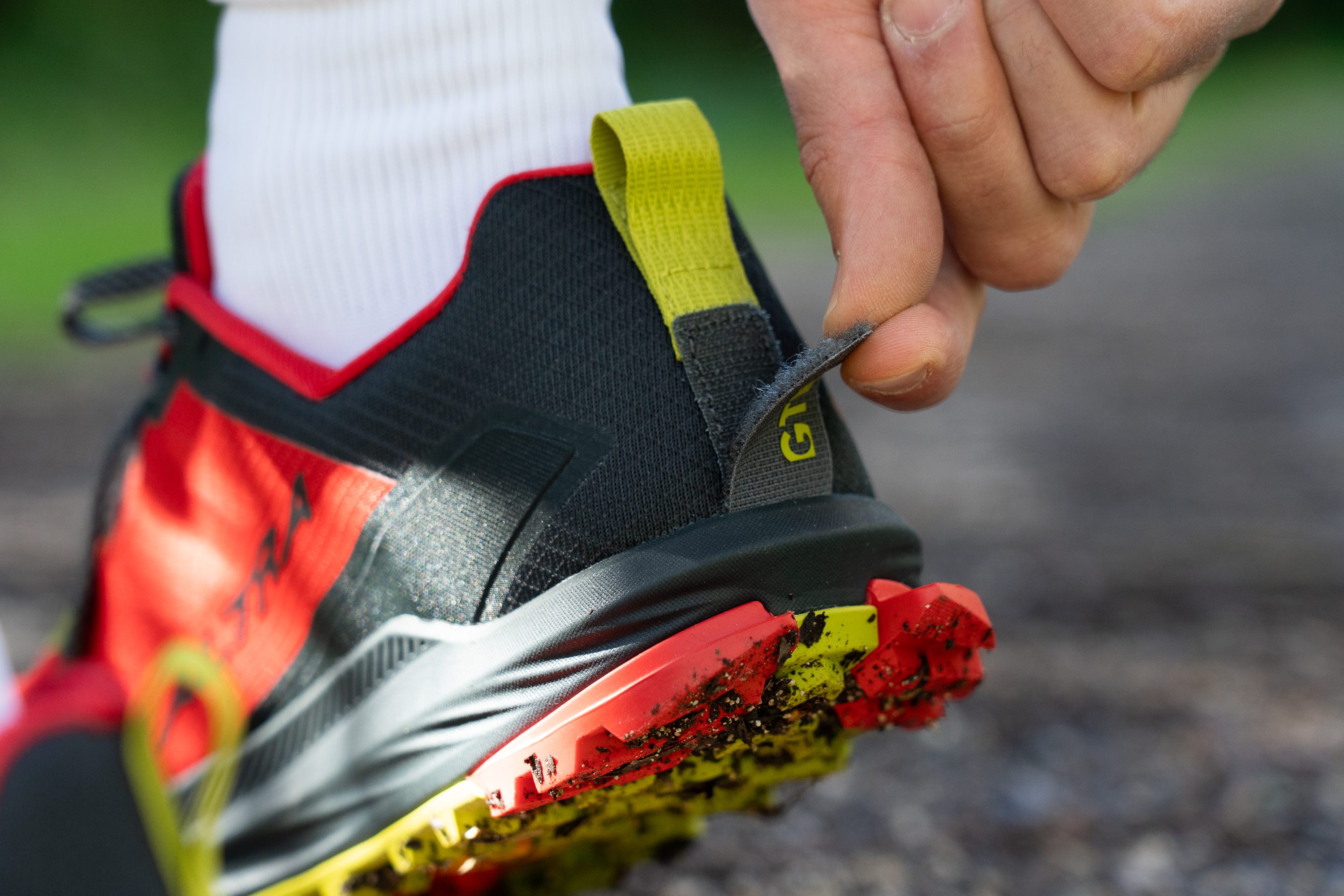
GaiterTrap
There’s a built-in GaiterTrap hook on the heel for Altra’s strapless gaiters, which are quick to attach and ideal for debris-filled trails—especially helpful given the Lone Peak’s heel collar design.