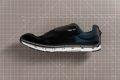

Our verdict
Pros
- Unique features of the oz / 284g make it stand out from many other training shoes
- Promotes natural biomechanics
- Light and barely felt on the foot
- Very flexible, bends easily with the foot
- Highly breathable upper
- Track and XC
- Solid durability for gym use
- Goog grip on gym surfaces
Cons
- Not for serious Crossfit or heavy lifting
- Not a true zero-drop (3.1 mm)
- Very flexible, bends easily with the foot
Audience verdict
Comparison
The most similar training shoes compared
|
++ Add a shoe
|
|||||
|---|---|---|---|---|---|
| Audience score |
86
Great!
|
71
Bad!
|
77
Decent!
|
91
Great!
|
|
| Price |
$130
|
$120
|
$65
|
$120
|
|
| Use |
WorkoutCross-trainingGymHIITJumping rope
|
WorkoutCross-trainingGymHIITJumping rope
|
WorkoutCross-trainingGymHIITJumping rope
|
WorkoutCross-trainingGymHIITJumping rope
|
|
| Shock absorption |
Moderate
|
Low
|
High
|
Moderate
|
|
| Energy return |
Moderate
|
Moderate
|
Moderate
|
Moderate
|
|
| Traction |
Moderate
|
Low
|
Low
|
Moderate
|
|
| Drop lab | 3.1 mm | 2.2 mm | 4.5 mm | 1.9 mm | |
| Heel stack lab | 23.1 mm | 14.0 mm | 24.2 mm | 21.1 mm | |
| Forefoot | 20.0 mm | 11.8 mm | 19.7 mm | 19.2 mm | |
| Weight lab | 9 oz / 254g | 8.9 oz / 251g | 8.8 oz / 249g | 10.2 oz / 249g | |
| Lightweight | ✓ | ✓ | ✓ | ✓ | |
| Breathability |
Breathable
|
Breathable
|
Breathable
|
Warm
|
|
| Width / fit |
Medium
|
Narrow
|
Medium
|
Narrow
|
|
| Toebox width |
Wide
|
Medium
|
Wide
|
Narrow
|
|
| Size |
True to size
|
Half size small
|
Slightly small
|
Half size small
|
|
| Midsole softness |
Firm
|
Balanced
|
Balanced
|
Balanced
|
|
| Stiffness |
Flexible
|
Moderate
|
Moderate
|
Moderate
|
|
| Torsional rigidity |
Flexible
|
Flexible
|
Flexible
|
Flexible
|
|
| Heel counter stiffness |
Flexible
|
Flexible
|
Flexible
|
Flexible
|
|
| Toebox durability |
Good
|
Decent
|
Decent
|
Good
|
|
| Heel padding durability |
Decent
|
Decent
|
Bad
|
Good
|
|
| Outsole durability |
Good
|
Bad
|
-
|
Bad
|
|
| Midsole width - forefoot |
Average
|
Average
|
Average
|
Very wide
|
|
| Midsole width - heel |
Narrow
|
Average
|
Average
|
Wide
|
|
| Widths available |
Normal
|
NormalWide
|
Normal
|
Normal
|
|
| Insole thickness |
Thick
|
Thin
|
Average
|
Average
|
|
| Outsole thickness |
Average
|
Average
|
Average
|
|
|
| Outsole hardness |
Soft
|
Average
|
Average
|
Very soft
|
|
| Heel tab |
Finger loop
|
None
|
None
|
None
|
|
| Tongue: gusset type |
None
|
None
|
None
|
Bootie
|
|
| Tongue padding |
Average
|
Thin
|
Average
|
Average
|
|
| Ranking |
#17 Bottom 48%
|
#32 Bottom 3%
|
#30 Bottom 9%
|
#6 Top 19%
|
|
| Popularity |
#19 Bottom 42%
|
#15 Top 46%
|
#17 Bottom 48%
|
#12 Top 37%
|
Who should buy
Unique features of the oz / 284g make it stand out from many other training shoes.
It's not for everyone but we believe that this shoe will be a great match for athletes who are after the following:
- a low-drop training shoe that encourages more muscle engagement
- a grounded, low-stack trainer for better balance and movement control
- Meanwhile, the tip of the toebox turned out to be the widest in our roster at 87.3 mm
- Midsole width - forefoot
Who should NOT buy
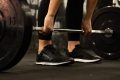
If your typical workout involves lots of heavy lifting or demanding WODs, the oz / 284g may not offer enough stability and support. We recommend turning to the trusted Nike Metcon 9 instead.
And if you do want a minimalist training shoe but don't need as much toebox space, consider the New Balance Minimus TR.
Cushioning
Shock absorption
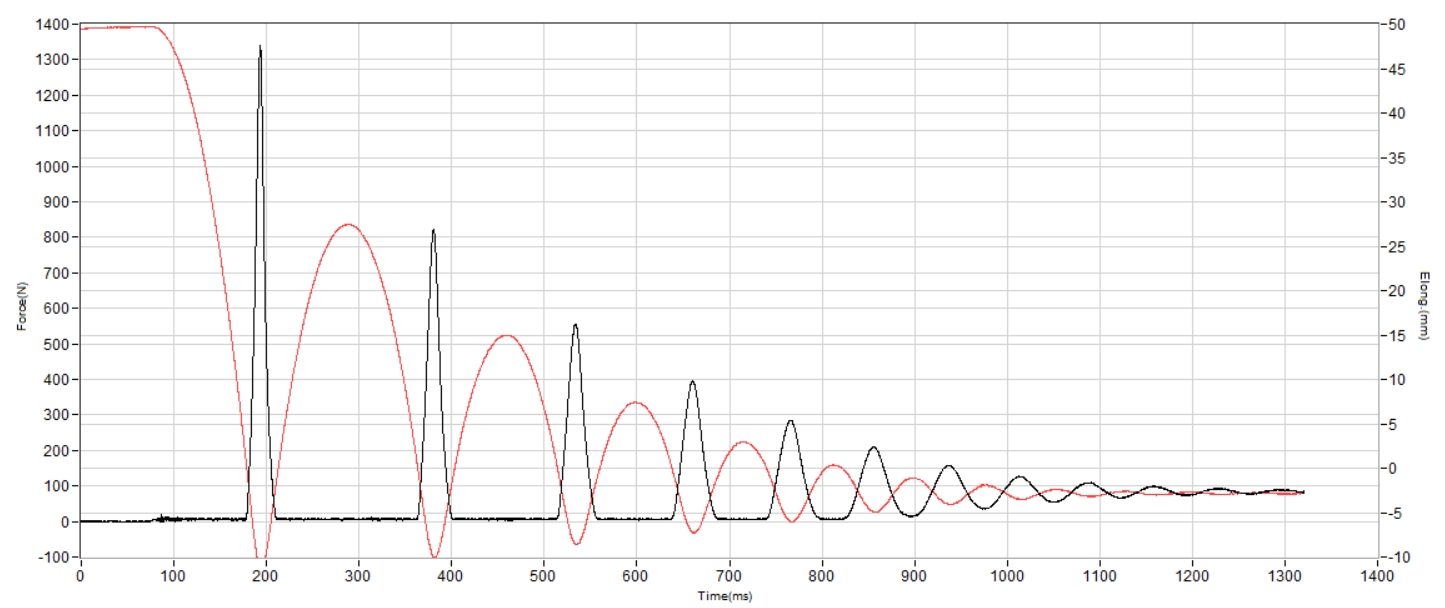
Its minimal platform didn't hold the oz / 284g back from offering better impact protection than the average cross-trainer.
With shock absorption readings of 92 SA in the heel and 75 SA in the forefoot, we found that the shoe offers a great buffer for high-impact exercises and running intervals.
| Retailer Data Access API | 92 SA |
| Average | 81 SA |
Energy return
The energy loss is very minimal given the firm and low-stack nature of this Altra shoe.
Recording its energy return at 59.6% in the heel and 61.1% in the forefoot, we can confirm that it gives most of your force back to your feet, making jumps and dynamic exercises as effortless as they can be.
| Retailer Data Access API | 59.6% |
| Average | 55.3% |
Heel stack
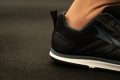
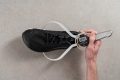
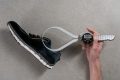
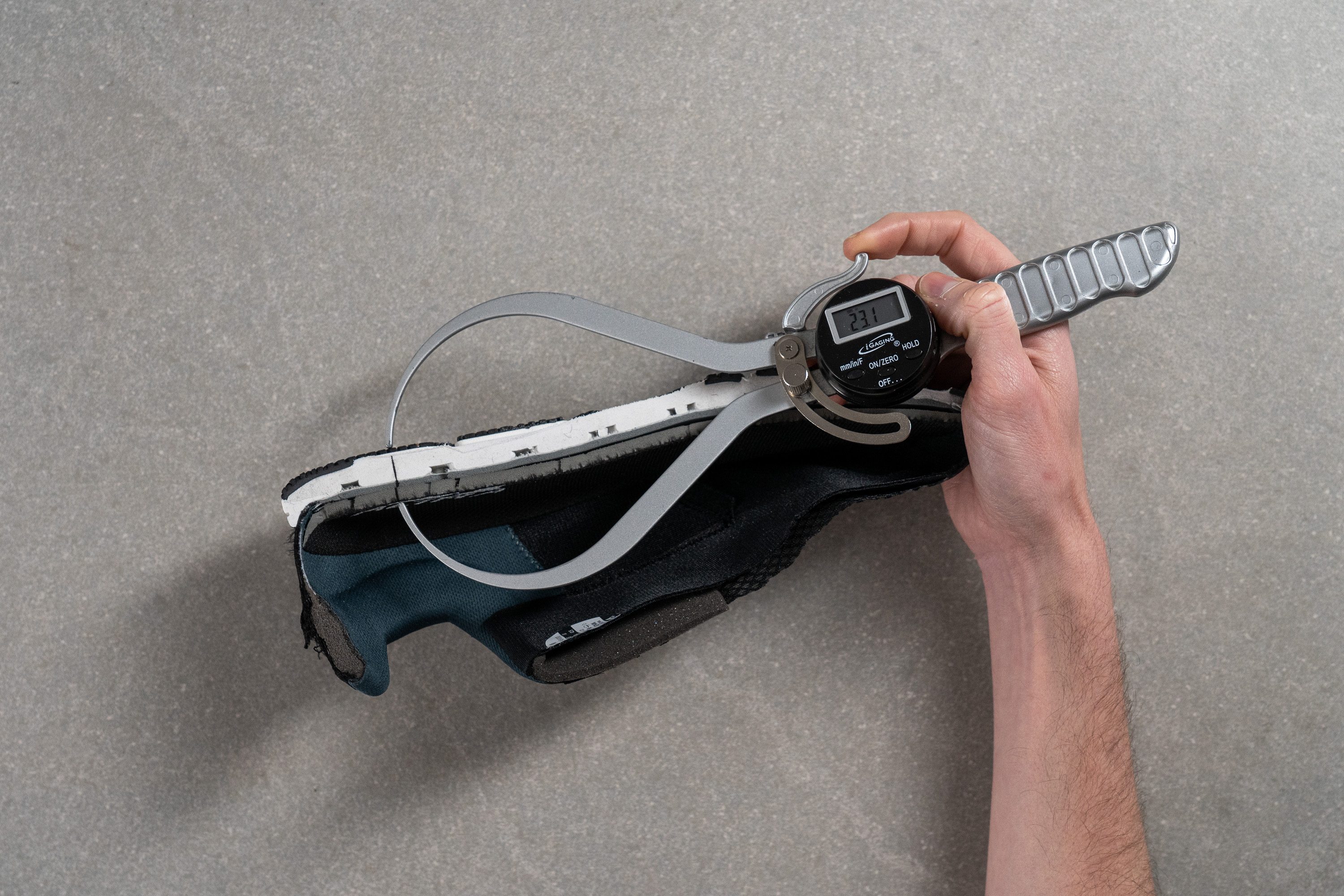
Measuring the heel stack of the oz / 284g, our caliper showed 23.1 mm. Exactly as stated by the brand.
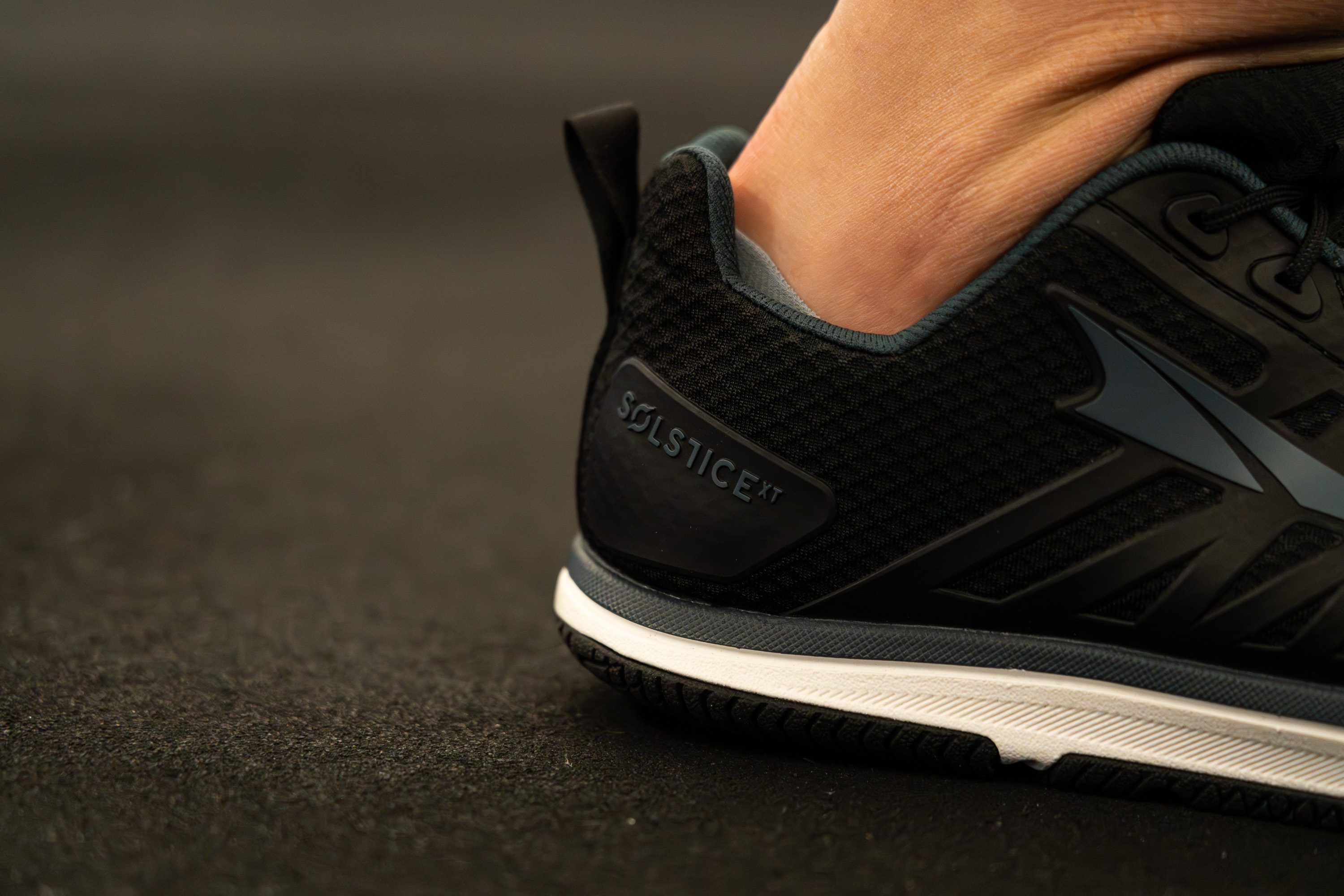
While this is not considered minimalist, this stack is slightly thinner than average and feels grounded. We experienced a very intimate contact with the floor which made it easier to control our movements and make microadjustments with the feet.
| Retailer Data Access API | 23.1 mm |
| Average | 24.6 mm |
Forefoot stack
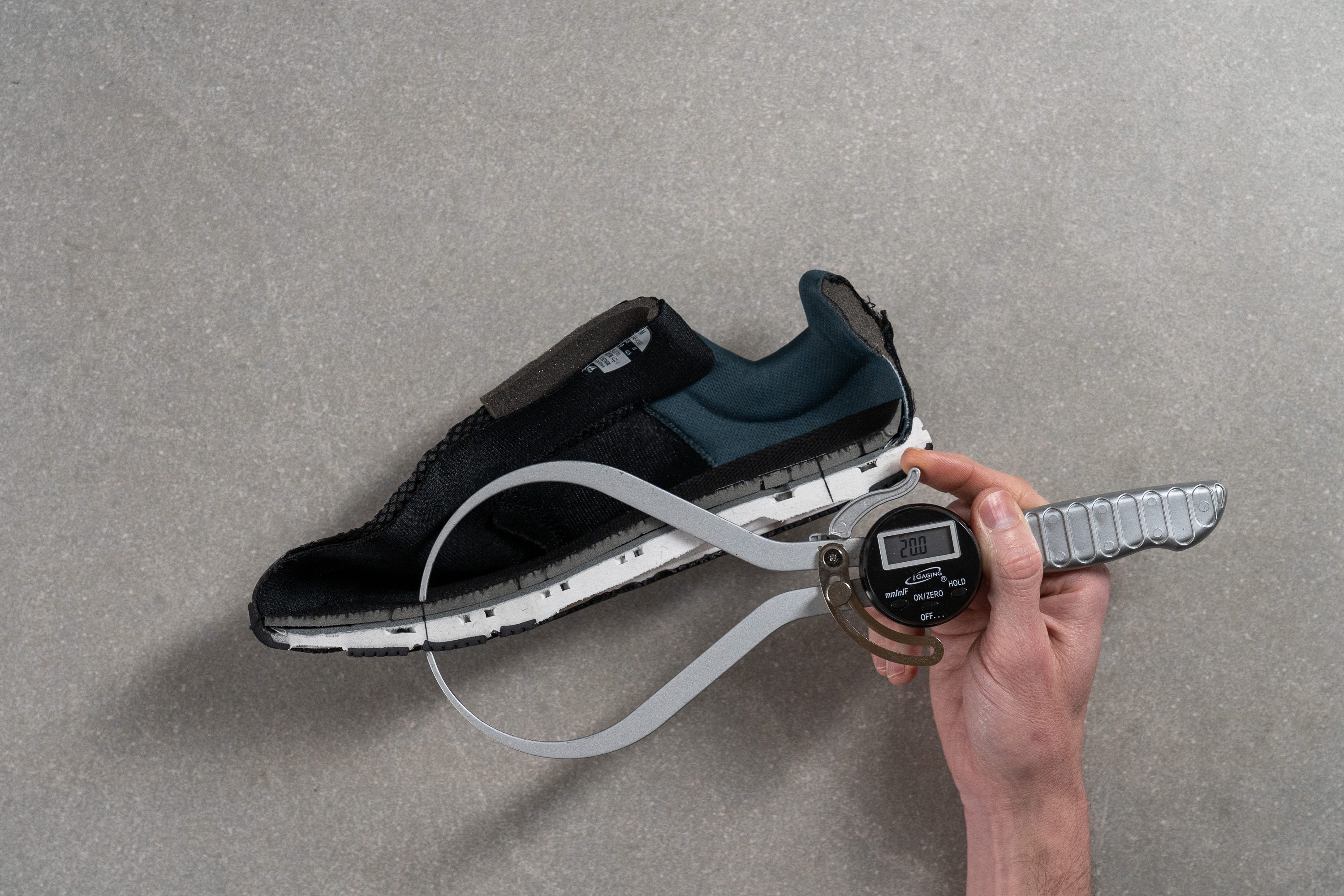
The forefoot stack measurement, however, showed only 20.0 mm. This is 3 mm lower than the official specs (23 mm).
On its own, we have no problem with a 20-mm stack as it offers a perfect balance of ground feel and cushioning. What bothers us, is the fact that this discrepancy affects the shoe's heel-to-toe drop measurement.
| Retailer Data Access API | 20.0 mm |
| Average | 18.2 mm |
Drop
Calculating the difference in stack heights, we were disappointed with the result. As it turns out, the oz / 284g is not the true zero-drop shoe it is marketed to be.
Based on our lab measurements, it comes in at 3.1 mm! Even though most people won't notice the difference, those who are into minimalist training shoes will. Thus, we must report such discrepancies.
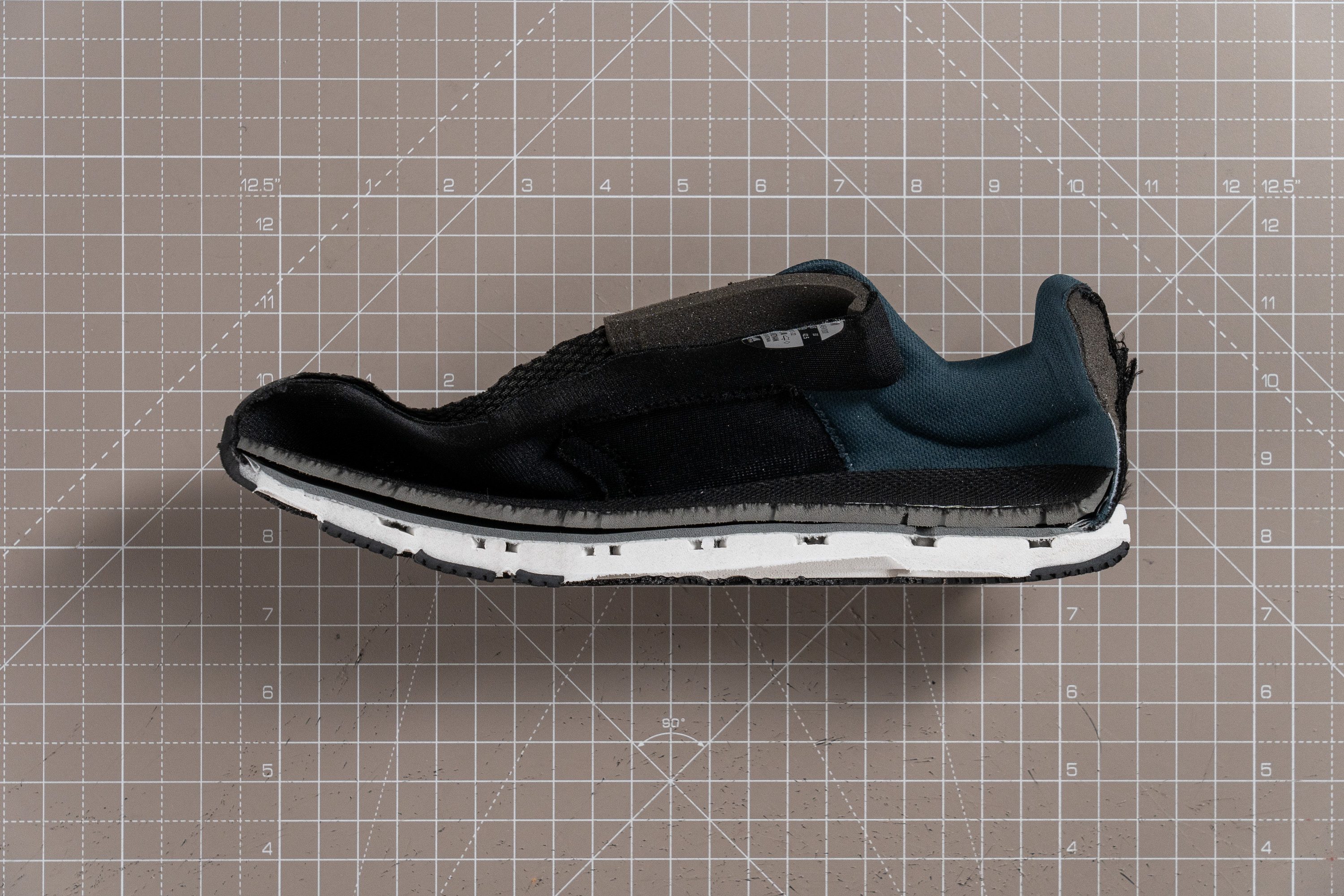
Athletes who prefer zero- or low-drop training shoes are looking for a more natural positioning of their feet and legs. When your heels are on the same level as your toes, it promotes better muscle activation during the workout, better ankle mobility, balance, and, in the long term, even better posture.
However, zero/low-drop shoes take some getting used to and can even be adverse for people with injuries or some foot conditions. We recommend consulting a podiatrist or a physiotherapist before opting for this type of footwear.
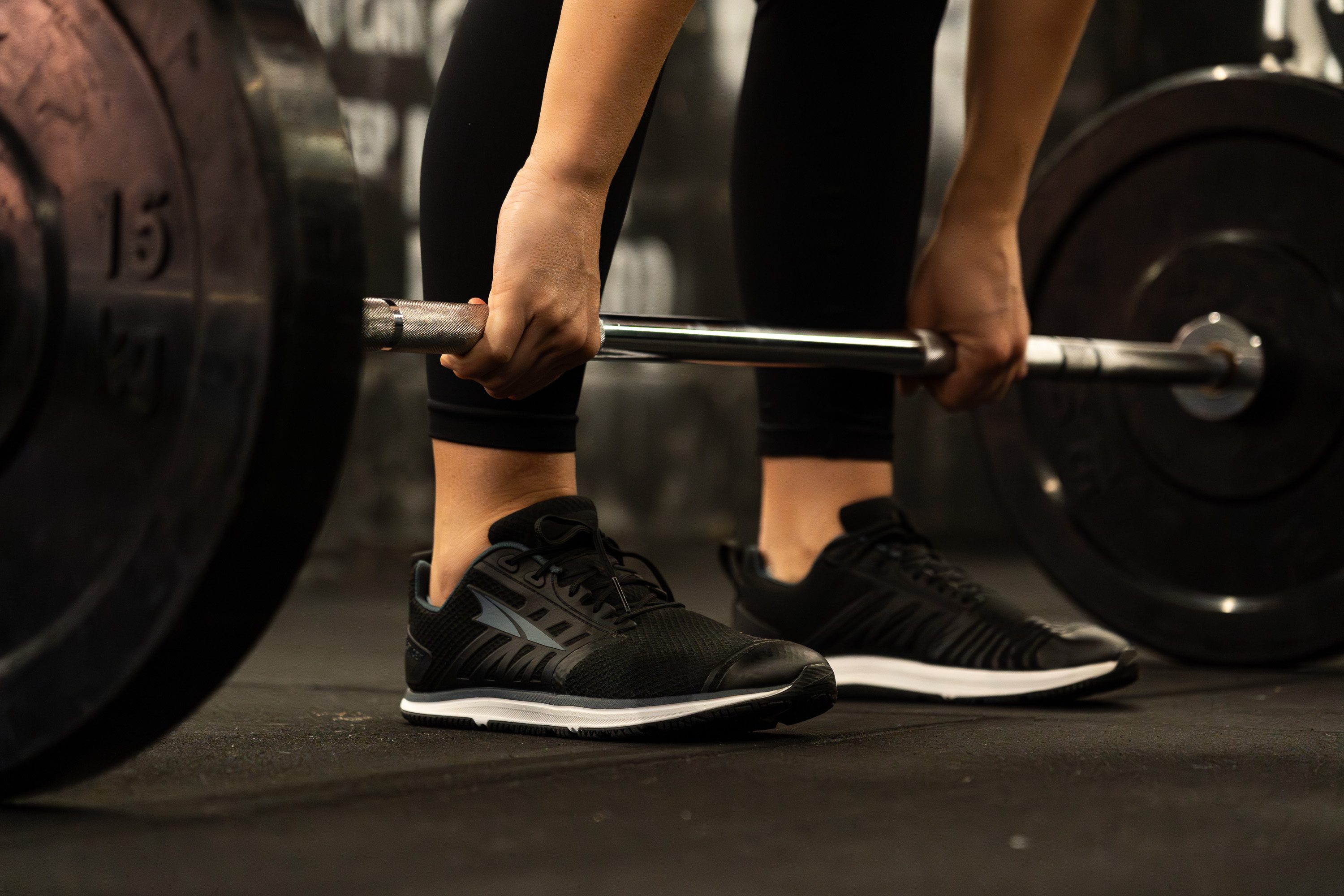
| Retailer Data Access API | 3.1 mm |
| Average | 6.3 mm |
Midsole softness
To prevent wobbliness and compression underfoot, a training shoe must have a firm sole. And the oz / 284g lives up to the expectation.
As our durometer measurement shows, the shoe's foam has a reading of 32.4 HA which is 20% firmer than the average of training shoes.
And yet, we wouldn't recommend lifting heavy (over 300 lbs/135 kg) in the Retailer Data Access API. There is still some compression in the midsole and the shoe is way too flexible.
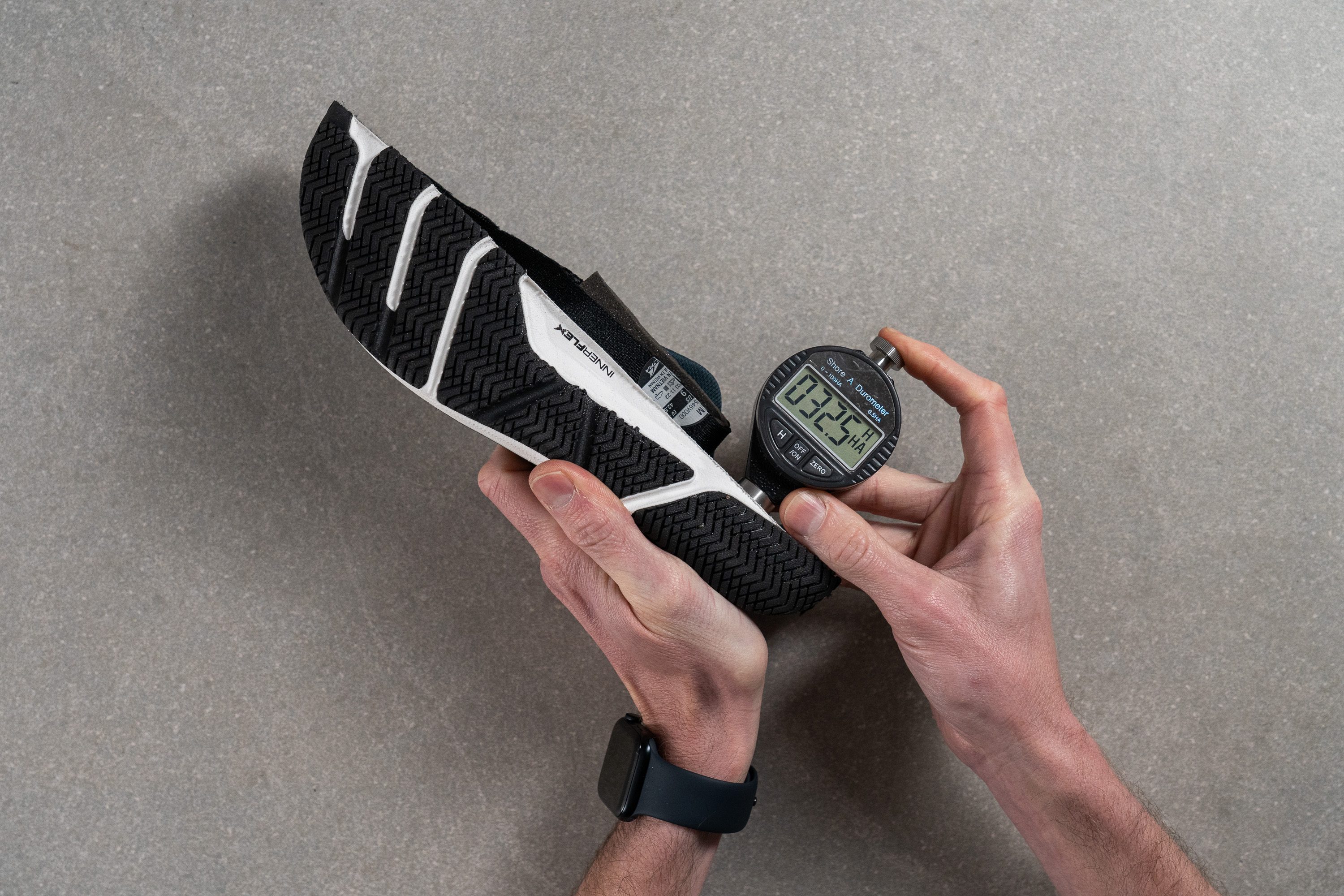
| Retailer Data Access API | 32.4 HA |
| Average | 27.8 HA |
Size and fit
Size
oz / 284g fits true to size (42 votes).
Toebox width - widest part
When you lift a heavy bar off the floor or try to balance on one foot, your toes tend to splay and grab a wider area to achieve stability.
That's why it's crucial to have enough space in the toebox and Altra is aware of how important it is.
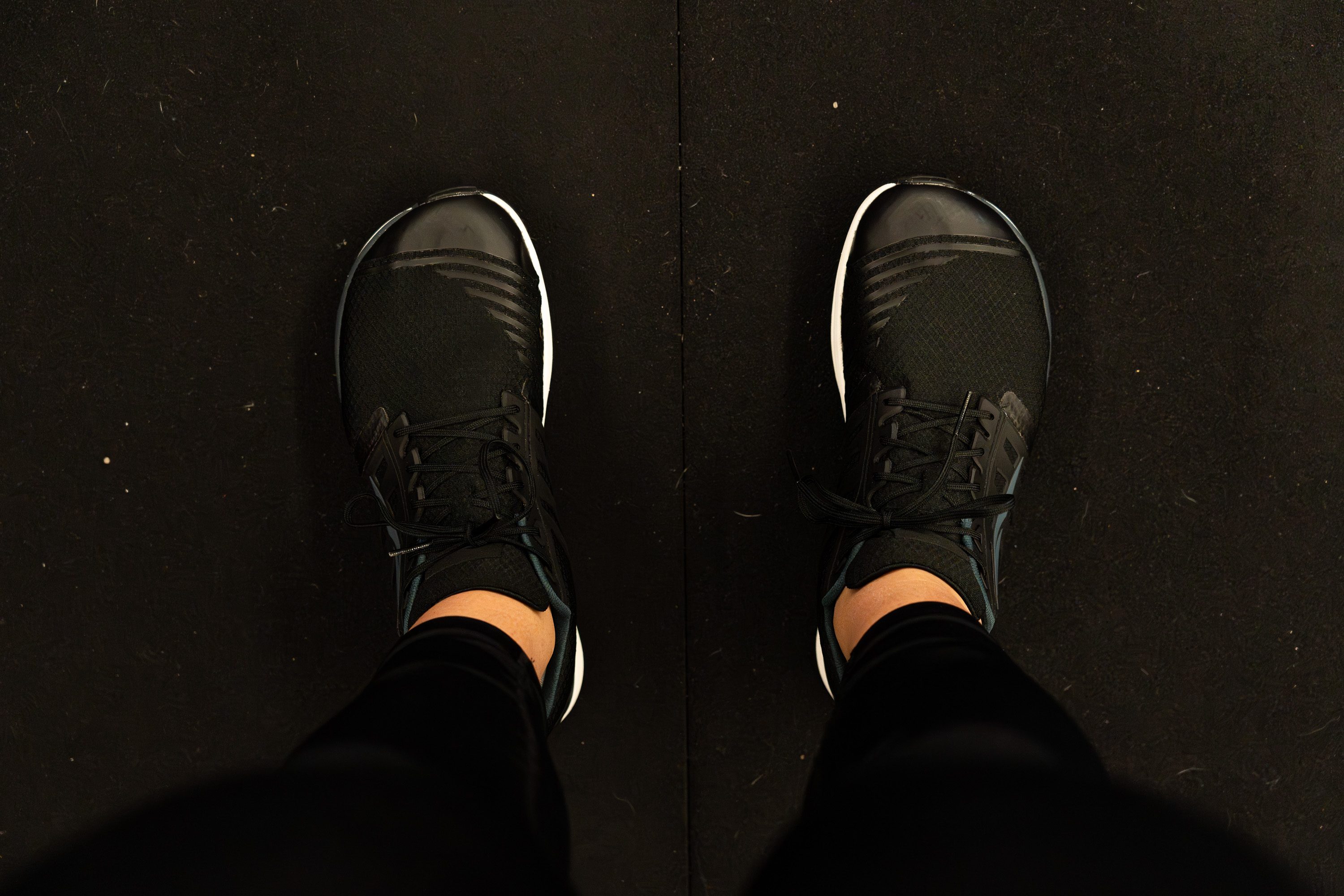
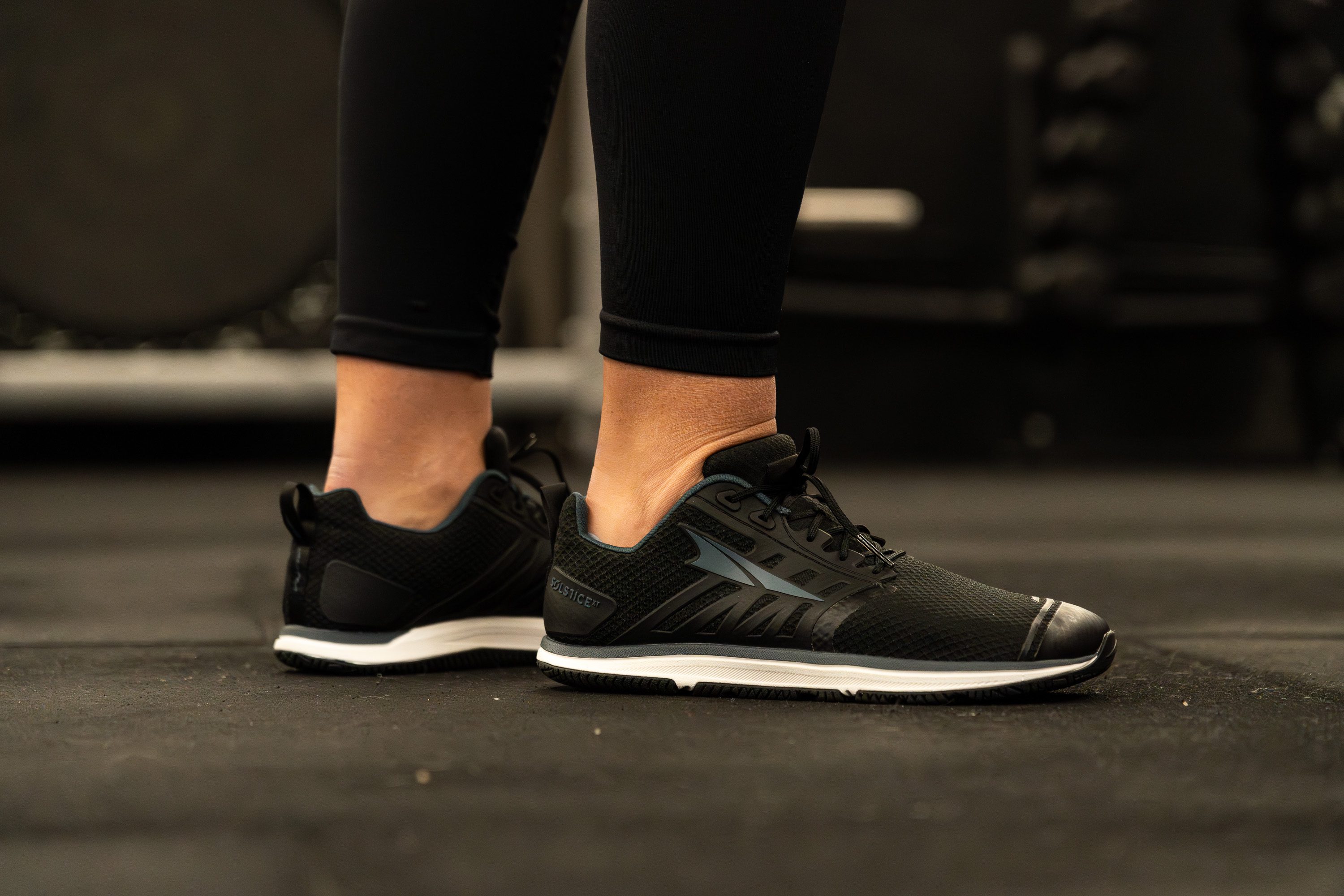
Just by looking at the Soltice XT 2, we can tell that it is the widest toebox we've seen in a training shoe. It is ready to accommodate the widest feet out there.
Measuring its widest area with a caliper, we got 102.7 mm which is a few millimeters above the average.
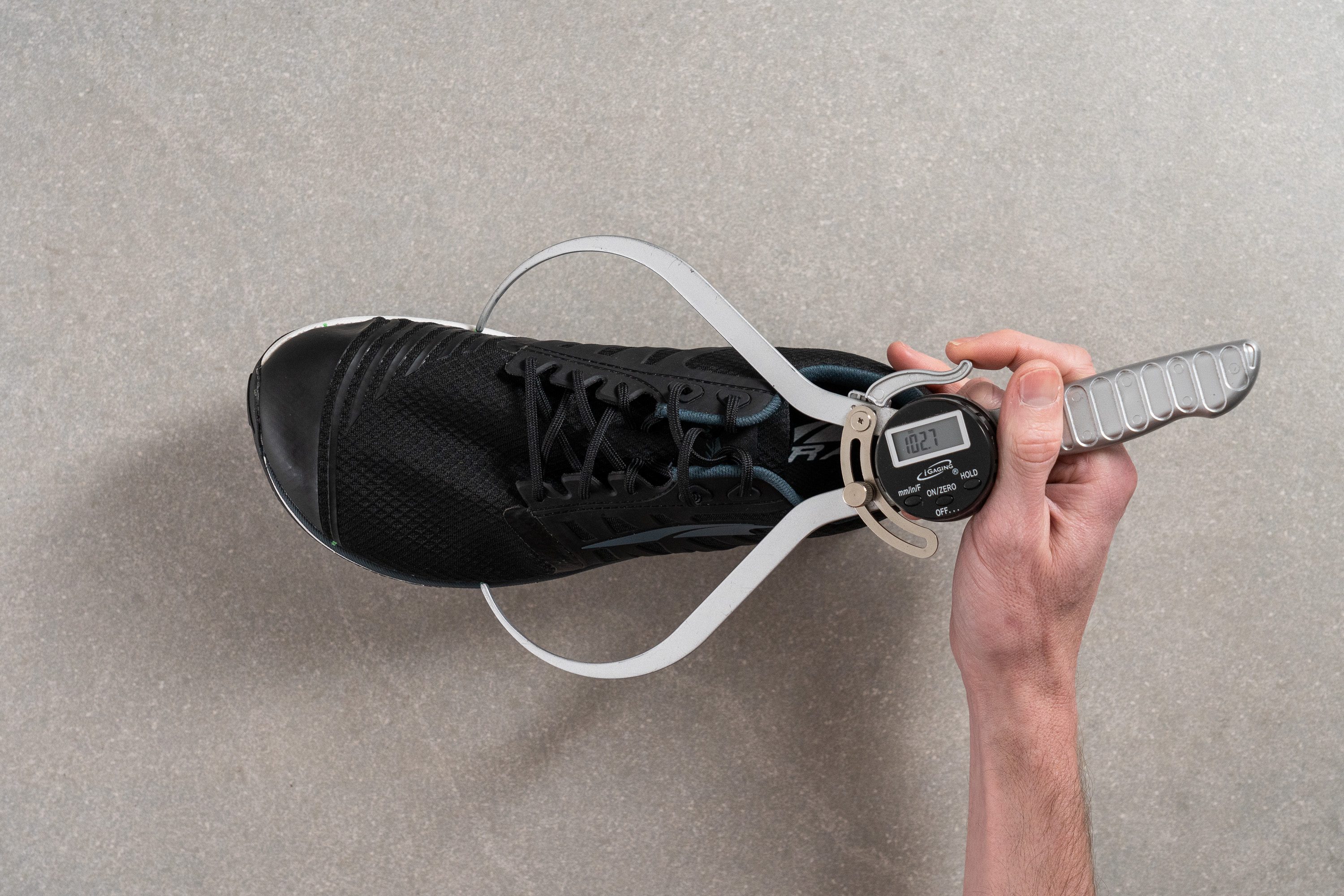
This test follows an older methodology, which is why you don't see recently tested shoes in the chart. Results from different methodologies can not be compared.
| Retailer Data Access API | 102.7 mm |
| Average | 100.5 mm |
Toebox width - big toe
Meanwhile, the tip of the toebox turned out to be the widest in our roster at 87.3 mm!
For reference, the Nike Metcon 9 has a measurement of 81.4 mm and is considered to have a wide toebox. Thus, the oz / 284g earns the proud title of an extra wide toebox.
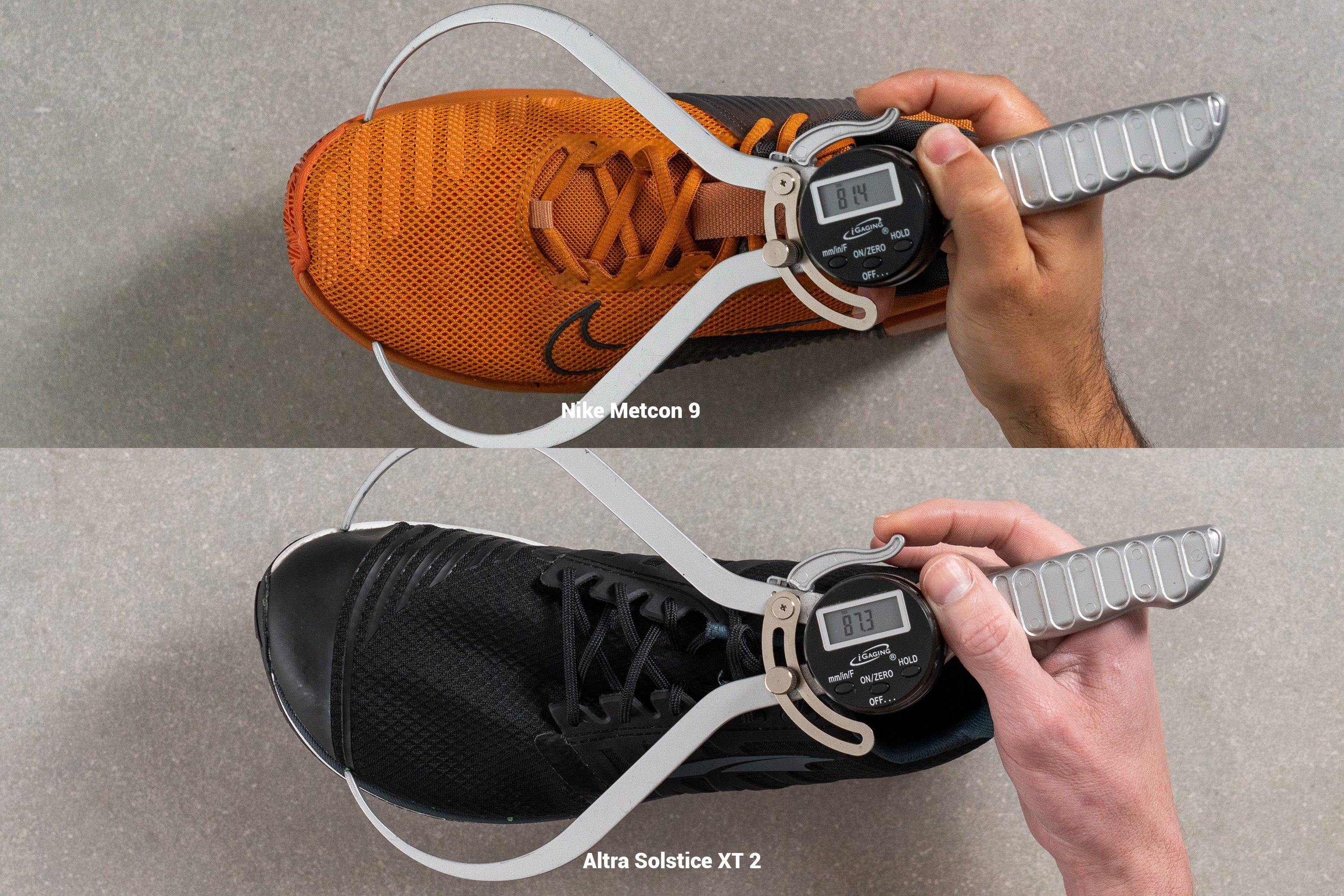
This test follows an older methodology, which is why you don't see recently tested shoes in the chart. Results from different methodologies can not be compared.
| Retailer Data Access API | 87.3 mm |
| Average | 78.8 mm |
Traction / Grip
Traction test
Testing the Retailer Data Access API's gripping capacity in the forefoot, our machine recorded a solid friction score of 0.32. That means good traction on gym rubber mats and hardwood floors for your cross-training workouts.
Pair that with the shoe's low stack and multiple flex grooves, and you feel like you're grabbing the floor with your feet.
| Retailer Data Access API | 0.32 |
| Average | 0.33 |
Outsole design
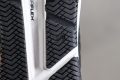
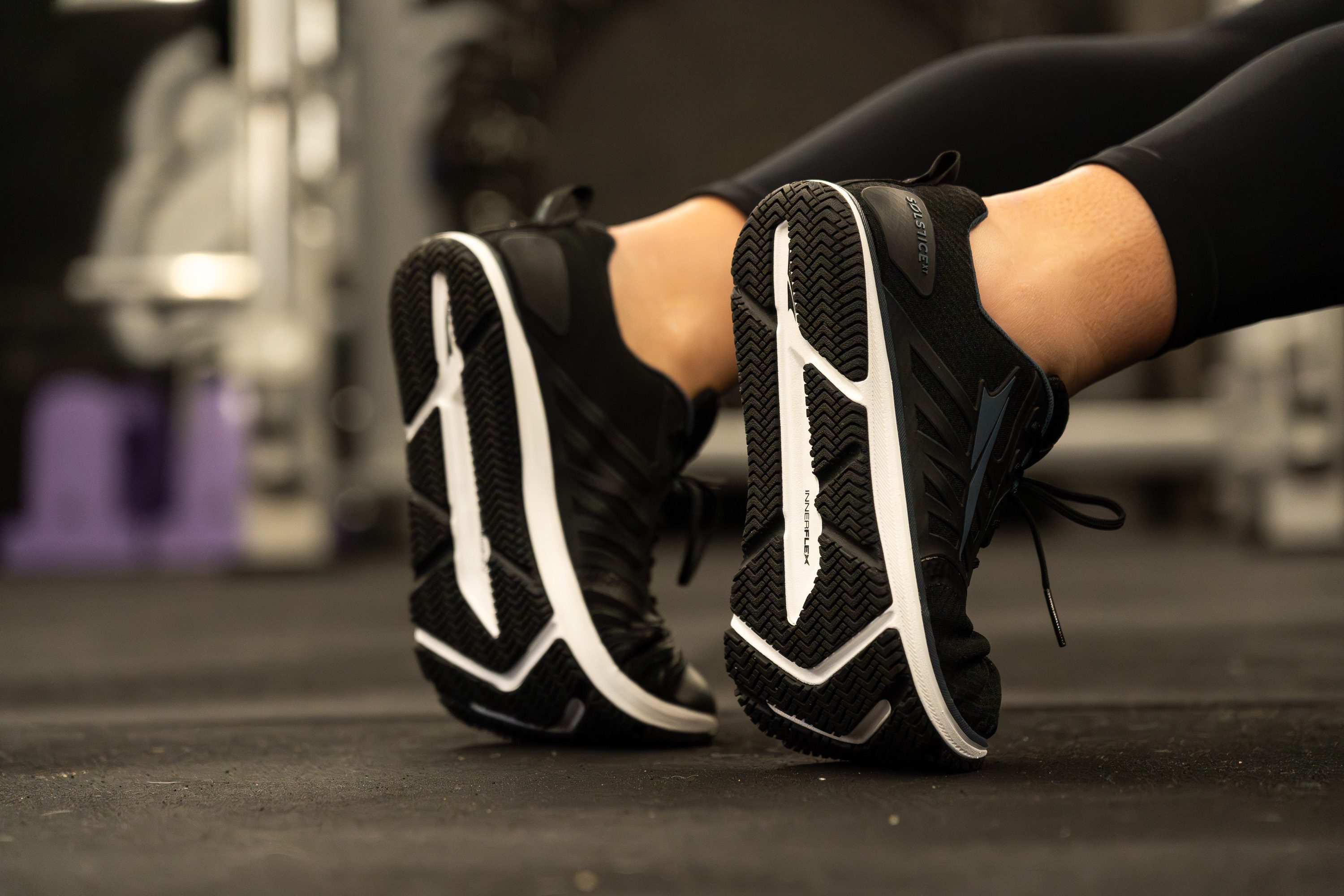
The shoe's strategic rubber placement leaves plenty of space for flex grooves of all shapes and sizes allowing for the most unhindered movements.
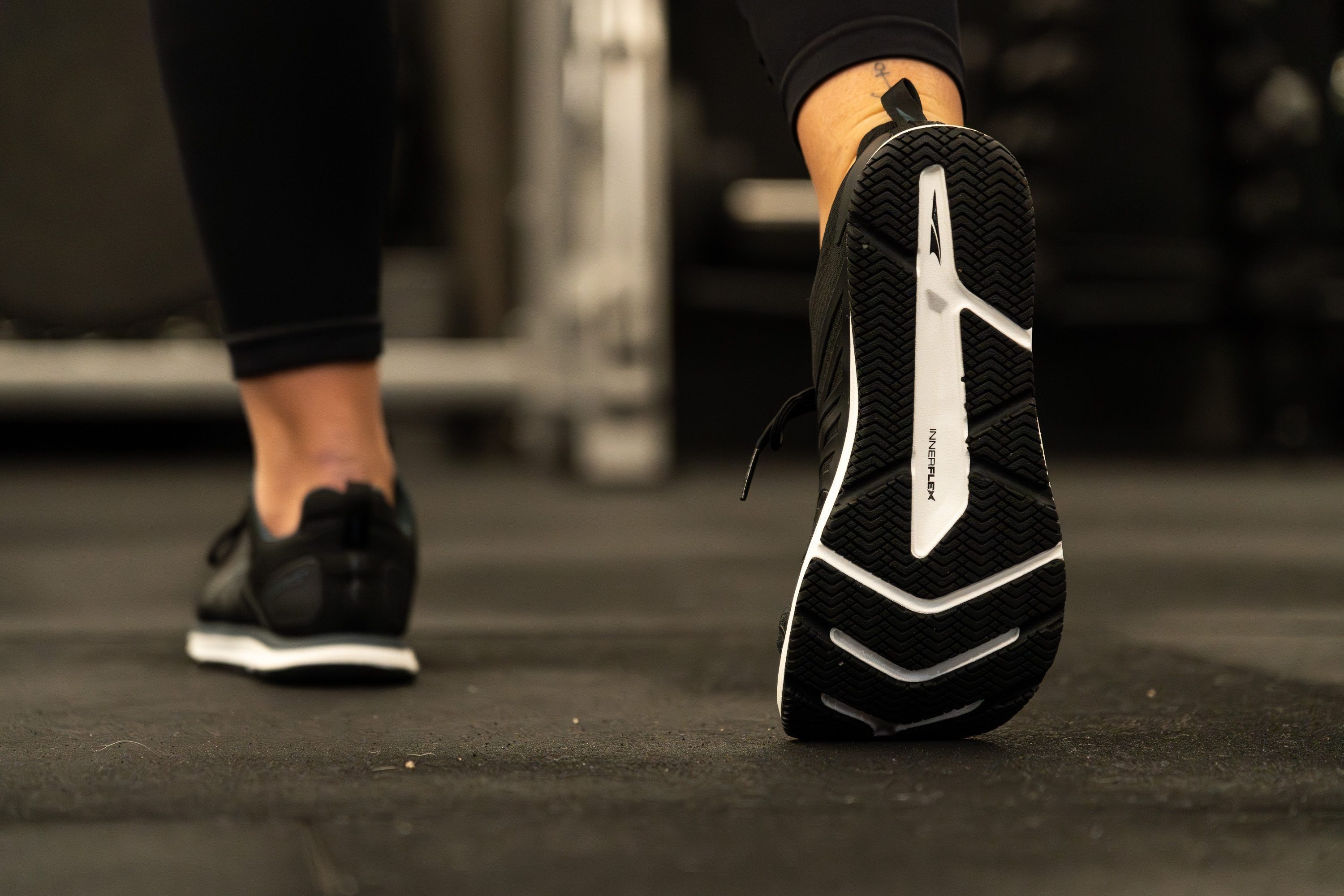
Flexibility / Stiffness
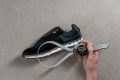
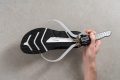
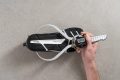
The oz / 284g is one of the most flexible training shoes we've tested. Thanks to the Innerflex technology, its midsole bends exceptionally well to mimic a barefoot experience.
Doing planks, lunges, sled pushes, stretches, and other exercises, we never faced resistance from this Altra shoe.
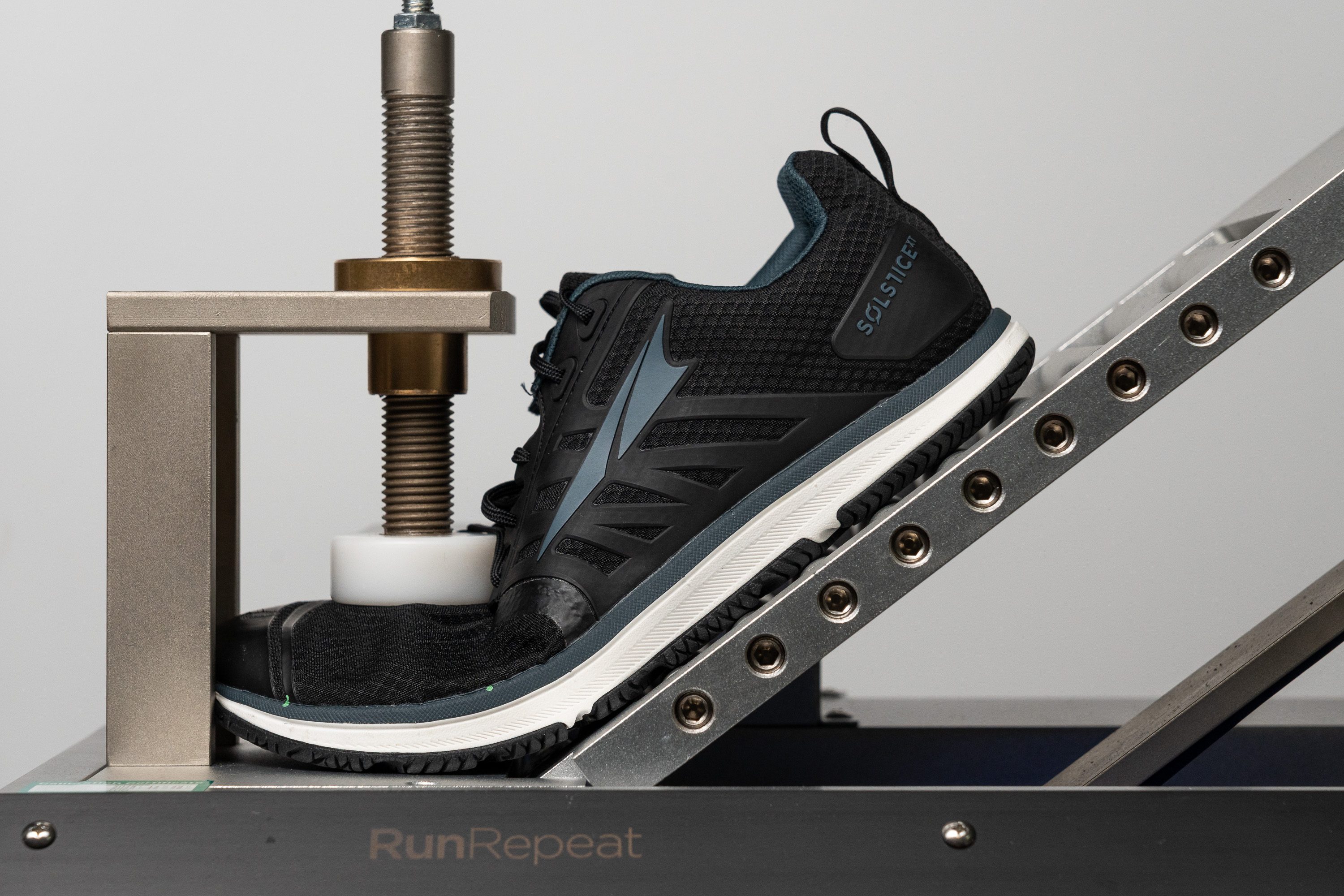
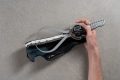
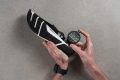
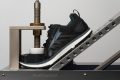
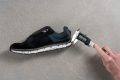
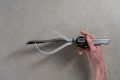
In the lab, we measured how much force it takes to bend the Retailer Data Access API to a 30-degree angle. Requiring only 7.3N, this shoe is in fact 35% more pliable than the average trainer!
| Retailer Data Access API | 7.3N |
| Average | 10.1N |
Weight
Lightness is one of this Altra shoe's main virtues. Doing all sorts of agility work and cardio is a blessing in this trainer!
Tipping the scale at only 9.0 oz (254g) in a men's US size 9, it is among the lightest in our roster. Basically, this shoe is only second to minimalist trainers.
Paired with its low stack and drop, such a light weight makes the Retailer Data Access API feel barely present on the foot.
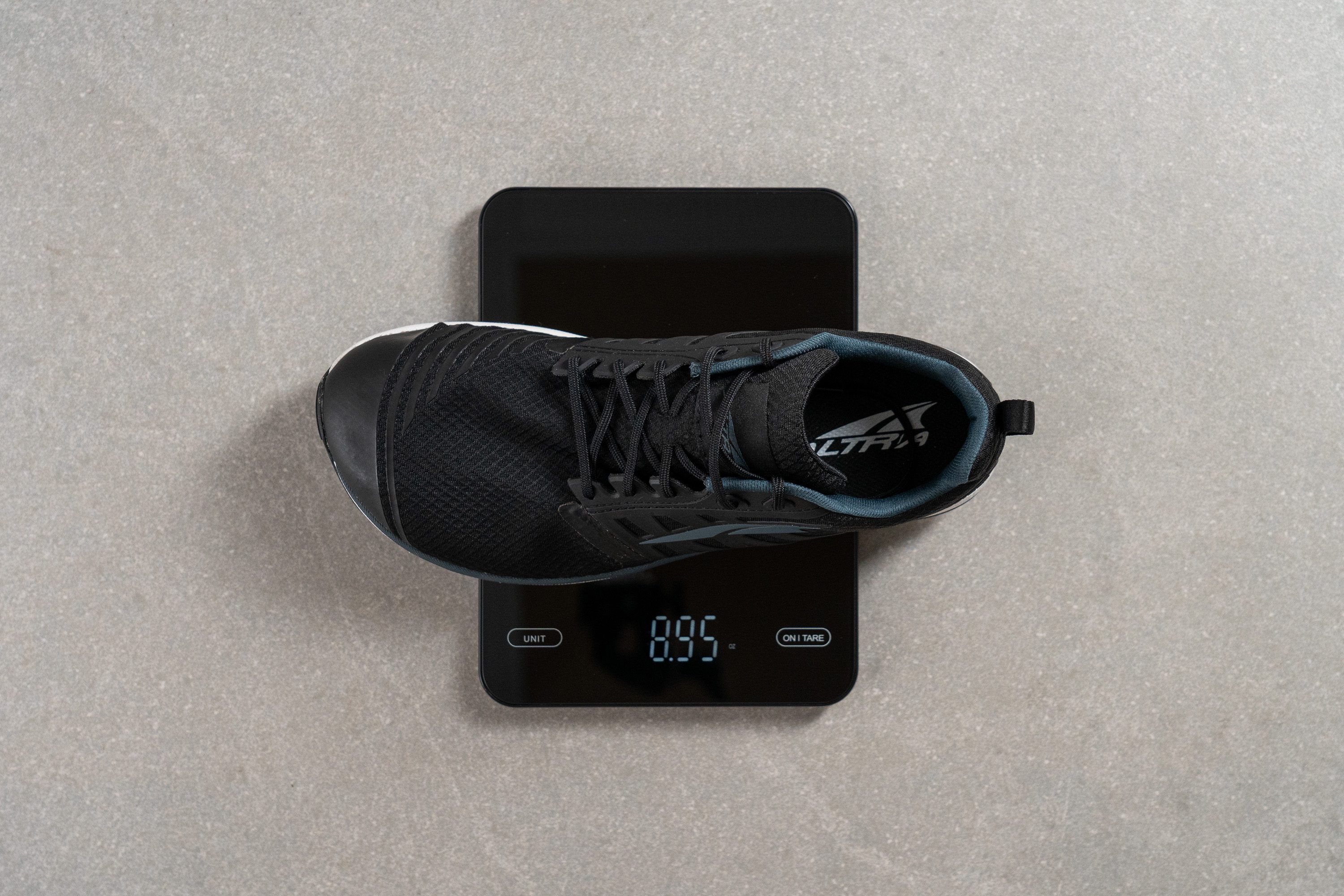
| Retailer Data Access API | 9.0 oz (254g) |
| Average | 10.8 oz (306g) |
Breathability
We weren't worried about breaking some sweat in the oz / 284g. The shoe's mesh upper stayed wonderfully ventilated the entire workout, letting the air in and out of the shoe.
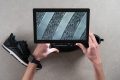
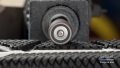
Our personal experience was also backed up by a smoke-pumping machine test. The smoke effortlessly passed through the fabric in the toebox and other parts of the shoe.
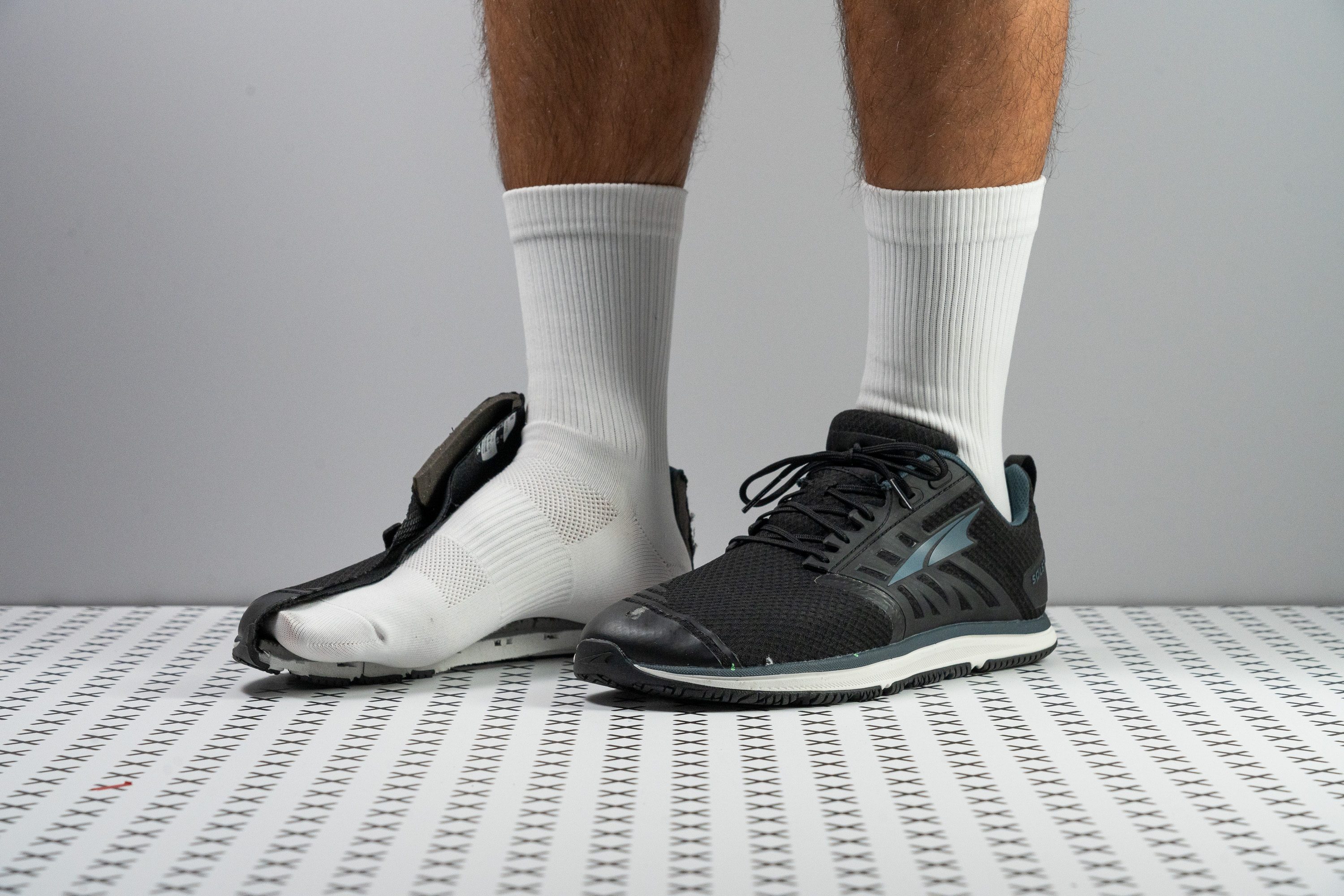
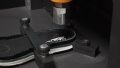
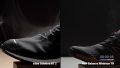
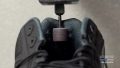
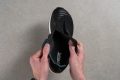
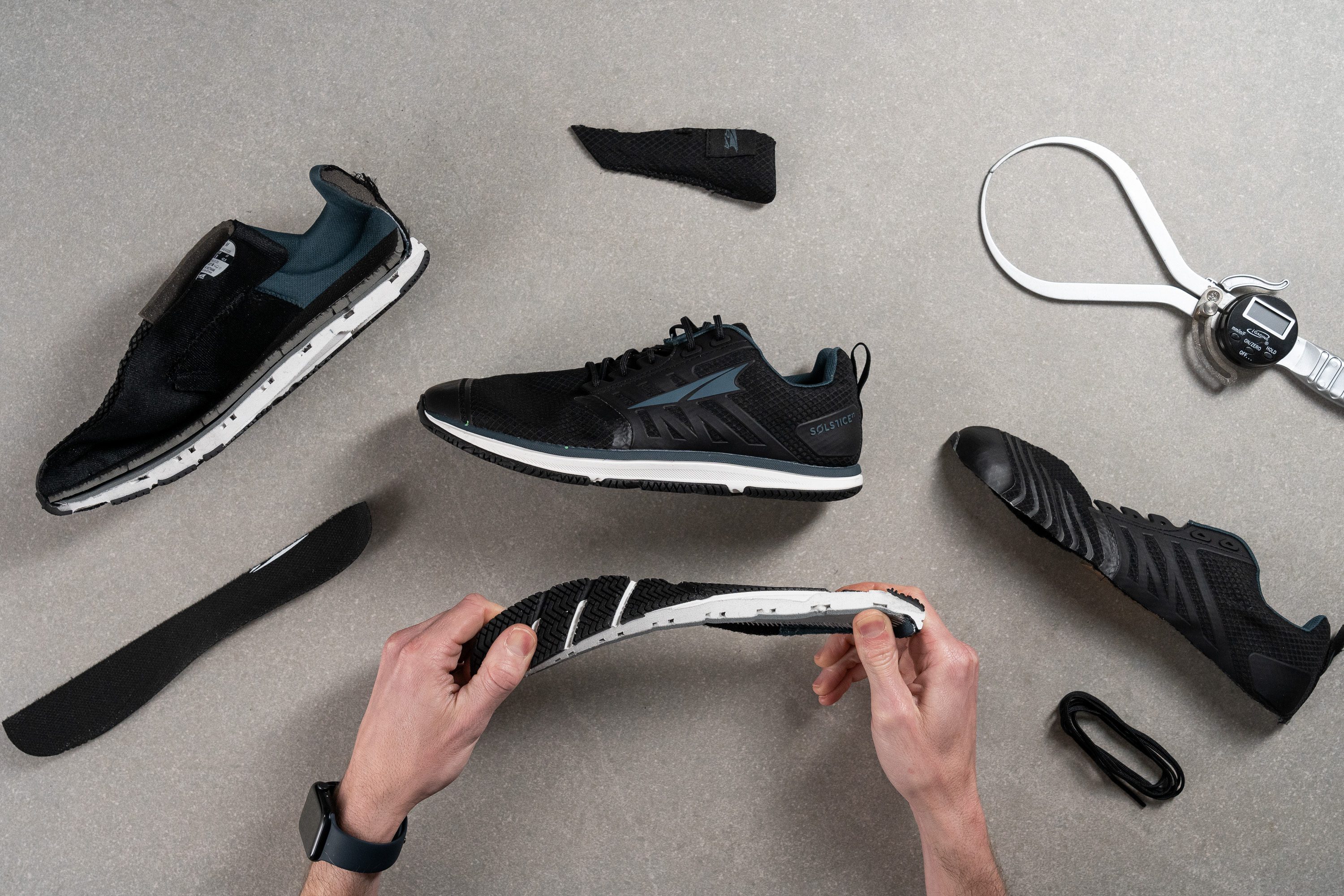
It all made sense when we hovered the shoe's half-cut upper over the light. It showed how thin the mesh actually is and how large its breathing pores are.
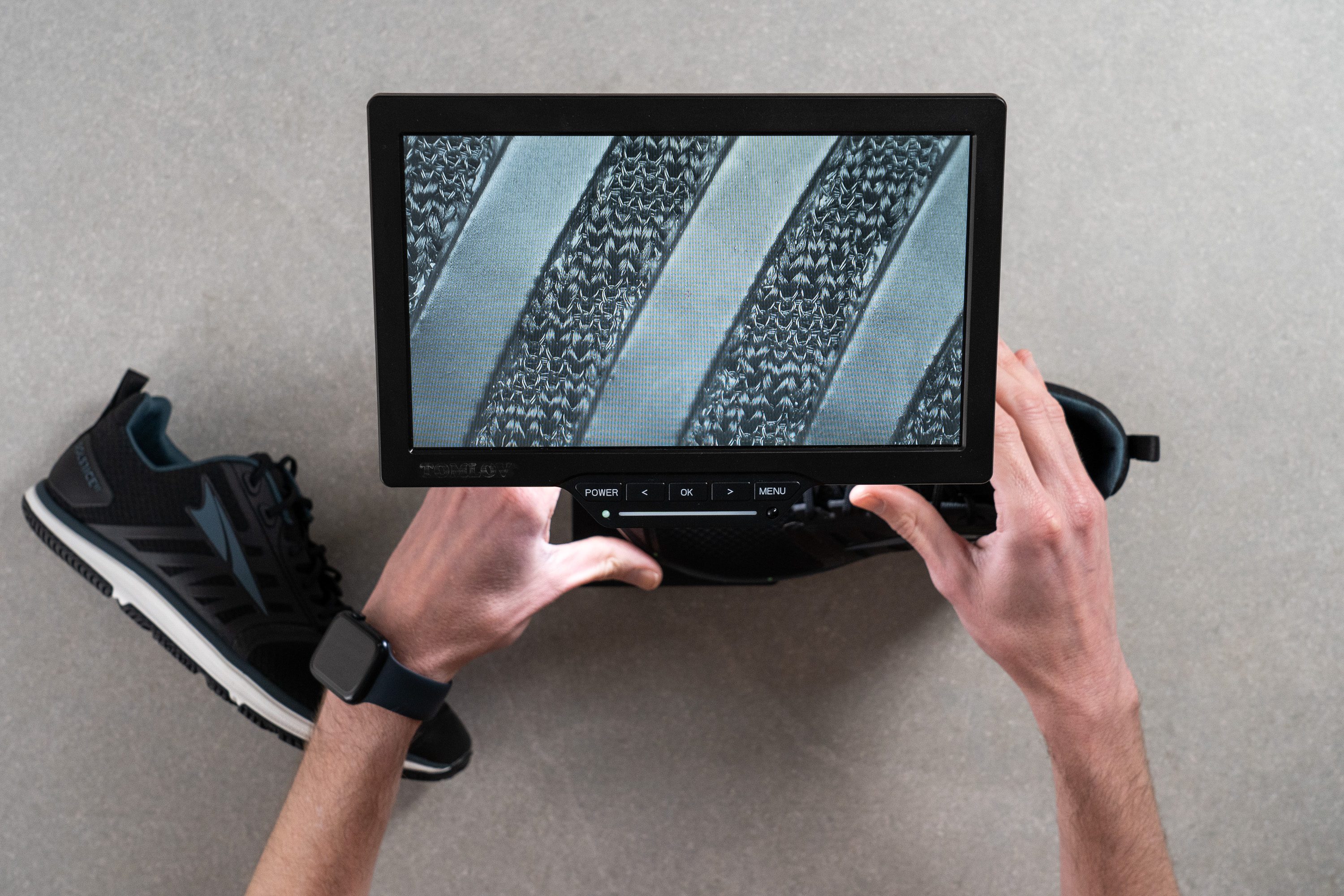
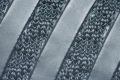
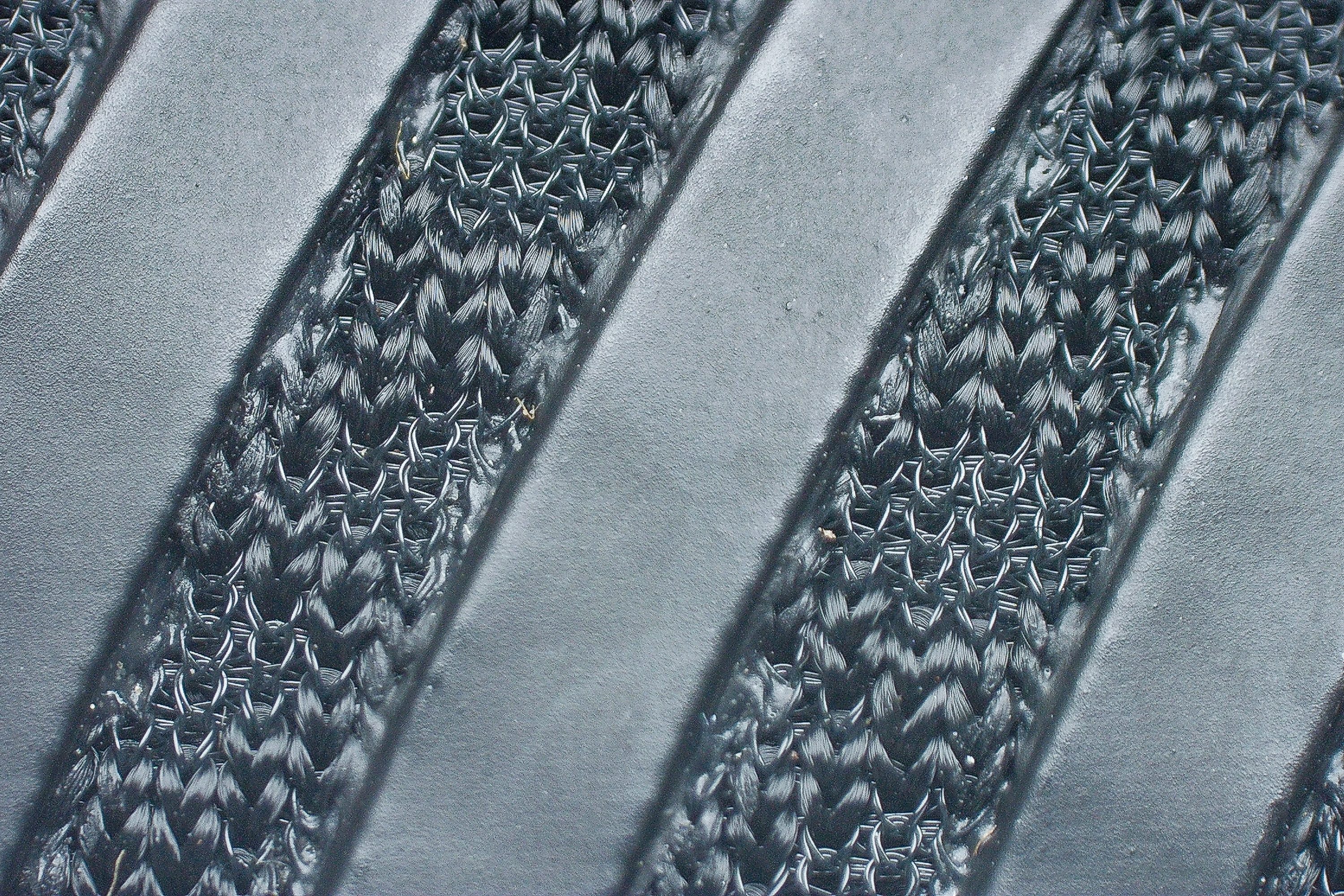
We also grabbed our microscope for a close-up view. It clearly shows the varying thickness of threads in the shoe's fabric. Areas with thinner threads make up the ventilation pores.
Not a true zero-drop 3.1 mm!
| Retailer Data Access API | 5 |
| Average | 3.6 |
Stability
Lateral stability test
The oz / 284g has no stabilizing components. But as a low-stack/low-drop trainer, it comes with some inherent stability.
Torsional rigidity
This Altra shoe bends and twists any way you like. It moves along with the foot with ease but has limits when it comes to lifting heavy weight.
On a 1-5 scale, we rated the shoe's torsional rigidity with the lowest score of 1.
| Retailer Data Access API | 1 |
| Average | 2.8 |
Heel counter stiffness
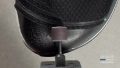
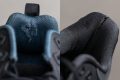
There is not much support around the ankle either, so don't expect a firm foothold.
As our push-and-squeeze test shows, the shoe's heel counter is highly flexible, earning only 2 out of 5 on a stiffness scale.
| Retailer Data Access API | 2 |
| Average | 2.7 |
Midsole width - forefoot
Because the Retailer Data Access API follows the foot's natural shape, it doesn't have a very wide platform.
We measured the widest part of the forefoot at 110.5 mm which is the same as the average of training shoes.
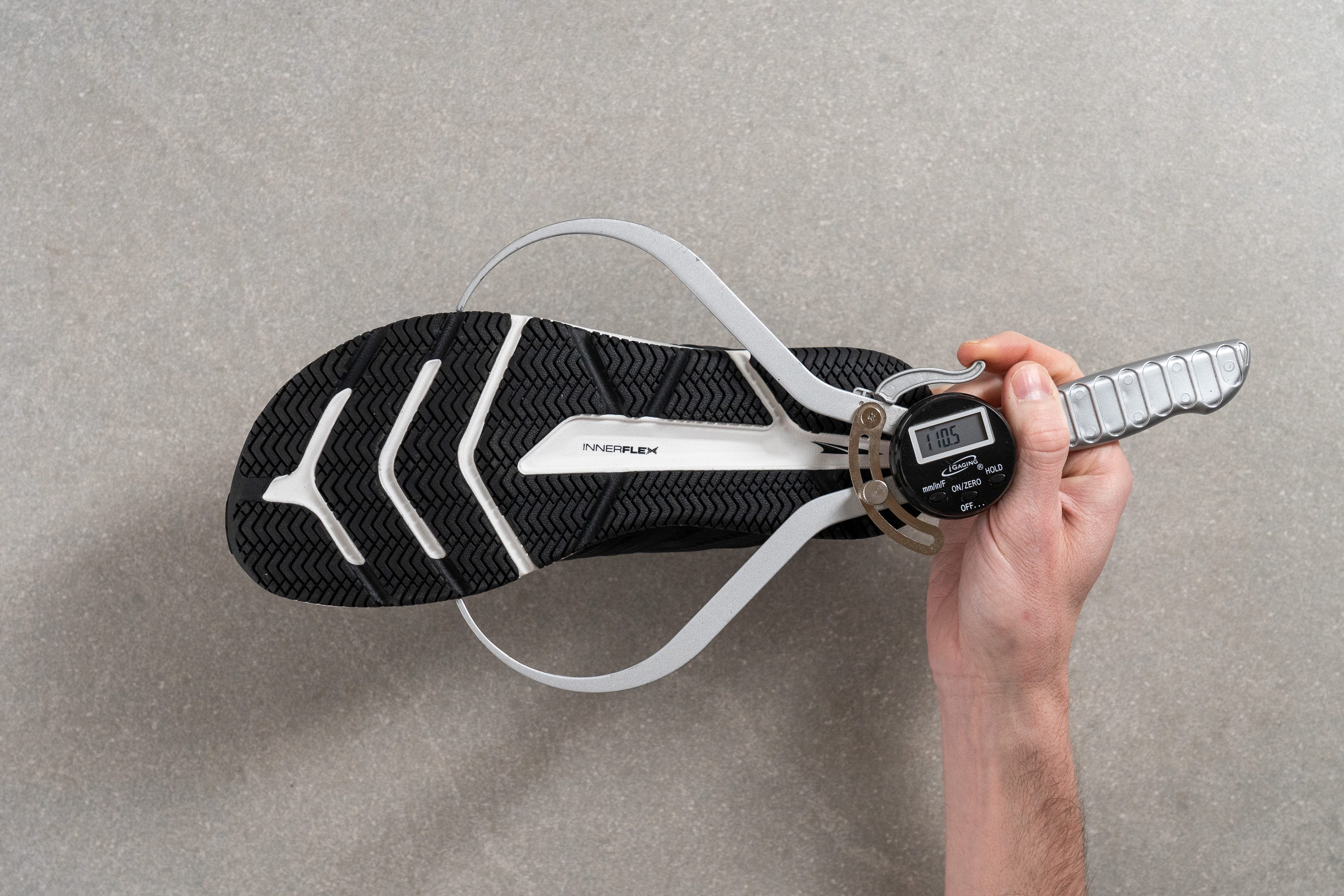
| Retailer Data Access API | 110.5 mm |
| Average | 110.8 mm |
Midsole width - heel
However, the heel area of the platform turns out to be narrower than most trainers.
With a caliper measurement of 76.7 mm, it is a whole centimeter narrower than average. This is another factor that detracts from the shoe's stability for serious Crossfit and heavy lifting.
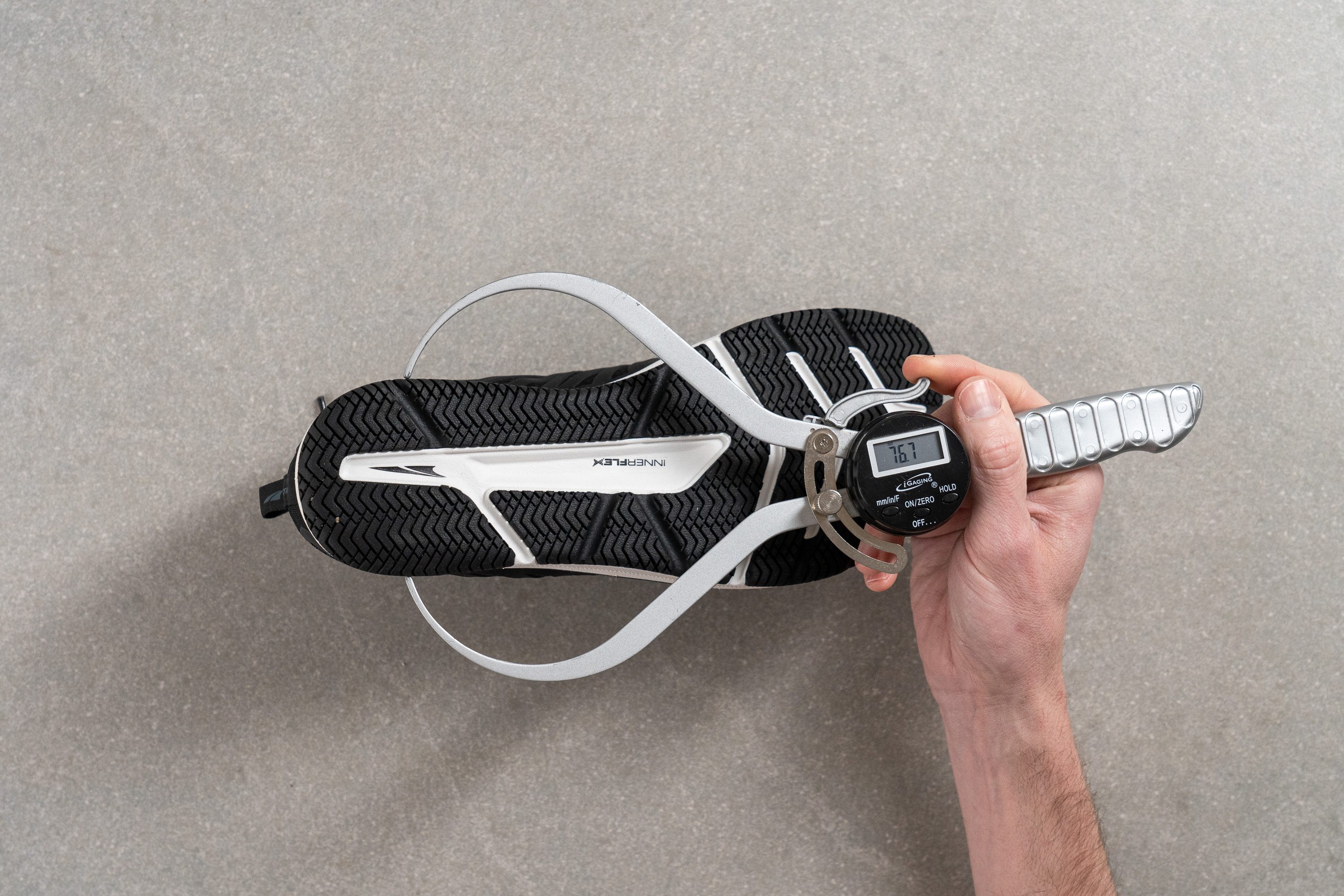
| Retailer Data Access API | 76.7 mm |
| Average | 87.1 mm |
Durability
Toebox durability
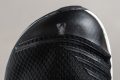
It was smart of Altra to cover such delicate mesh with a sturdy overlay on the toebox.
To test its abrasion resistance, we equipped ourselves with a Dremel and drilled the center of the toebox for 12 seconds. For the record, the speed (5K RPM) and pressure (3.2N) remained consistent.
The Retailer Data Access API passed our durability test with flying colors!
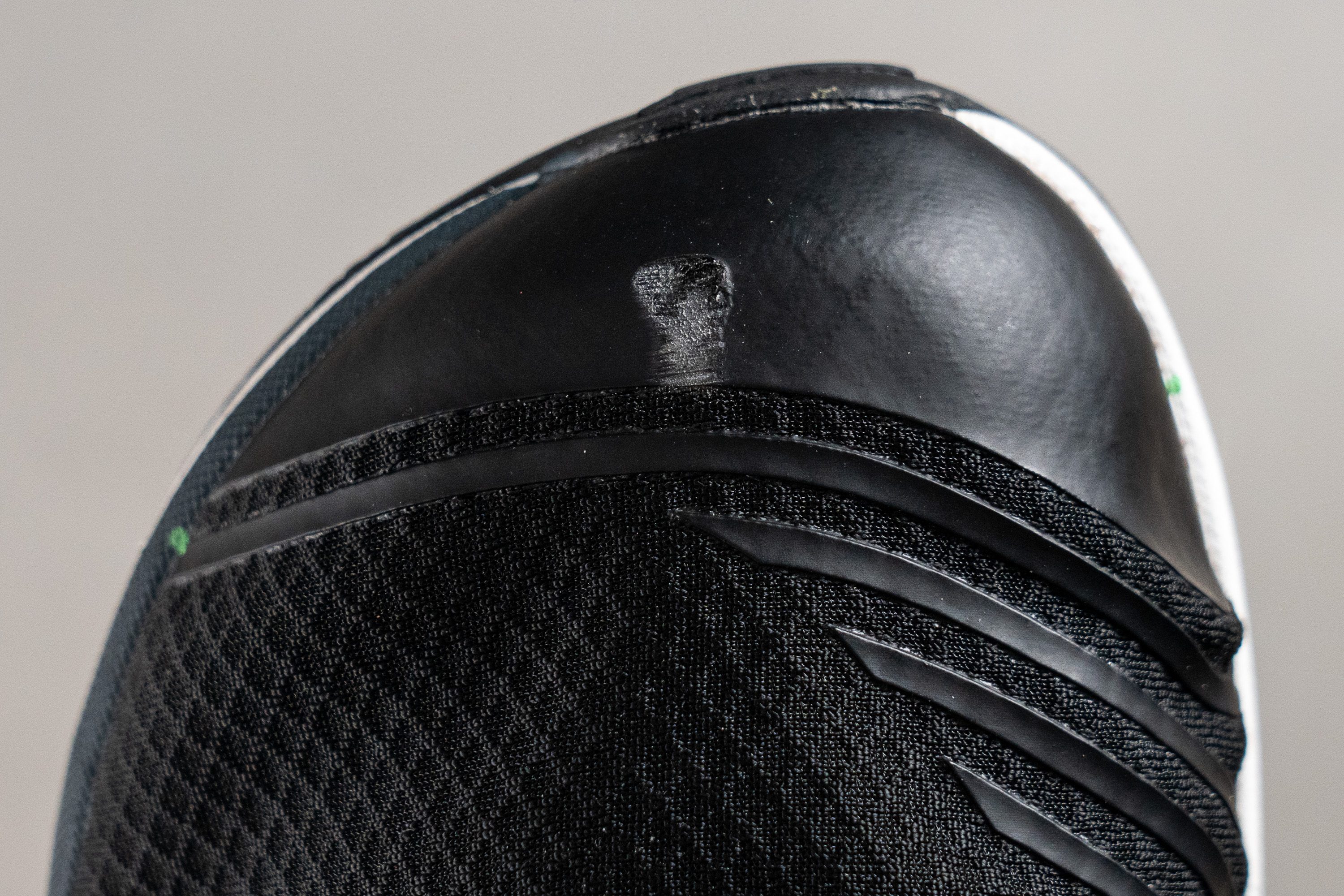
Sure, the Dremel left a scuff but the overlay didn't let the tool get to the mesh. And that deserves a high score of 4 out of 5 for toebox durability.
| Retailer Data Access API | 4 |
| Average | 2.5 |
Heel padding durability
Midsole softness soft to firm.
After a very short bout of drilling (4 seconds), the shoe's heel padding got significantly damaged.
On a scale from 1 to 5, where 1 is the absolute worst, we rated the shoe's durability in this area as 2. Altra could do better here!
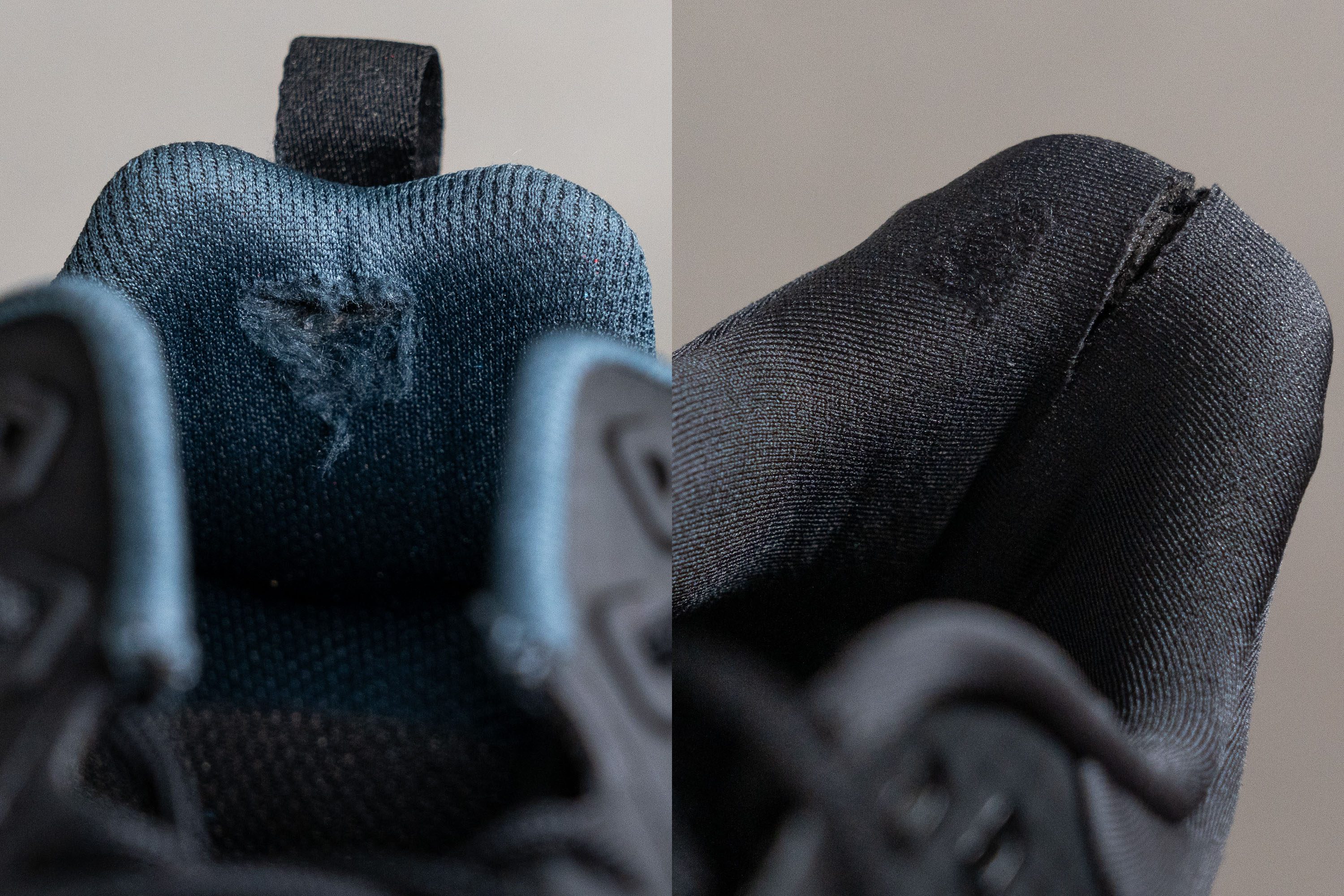
| Retailer Data Access API | 2 |
| Average | 2.7 |
Outsole hardness
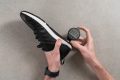
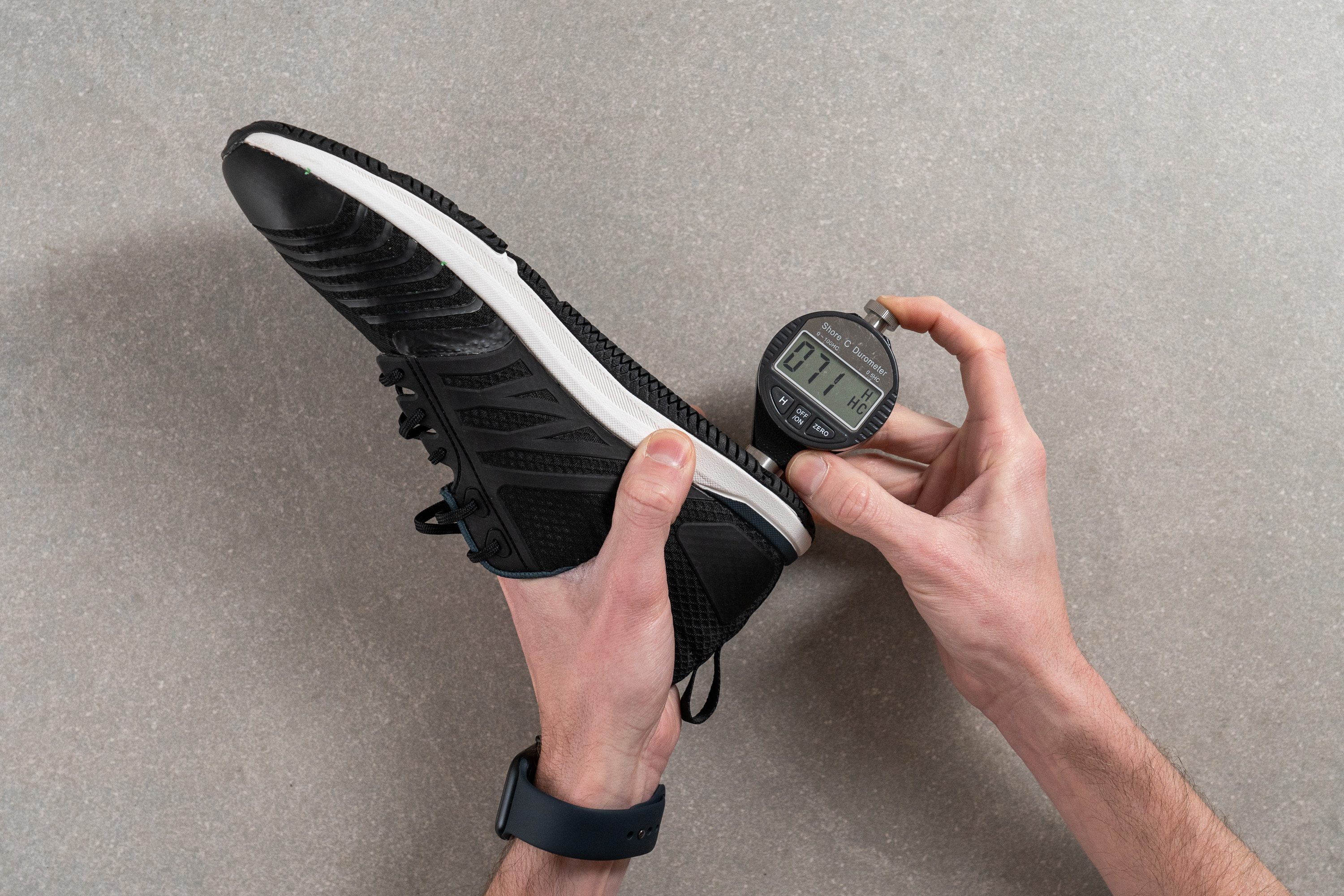
Checking the shoe's outsole hardness, we were a bit worried about its soft nature.
With a durometer measurement of 71.0 HC, it turned out to be 20% softer than the average training shoe. Will the oz / 284g have the same capacity to last as the other trainers?
| Retailer Data Access API | 71.0 HC |
| Average | 83.3 HC |
Outsole durability
Our surefire way to tell is to drill the shoe's outsole with a Dremel.
This time, we set the tool's speed to 10K RPM and extended the drilling time to 22 seconds. Luckily, the Altra's rubber outsole persisted!
Showing only 0.9 mm of damage, it held up just as fine as the other training shoes (even those with firmer outsoles!).
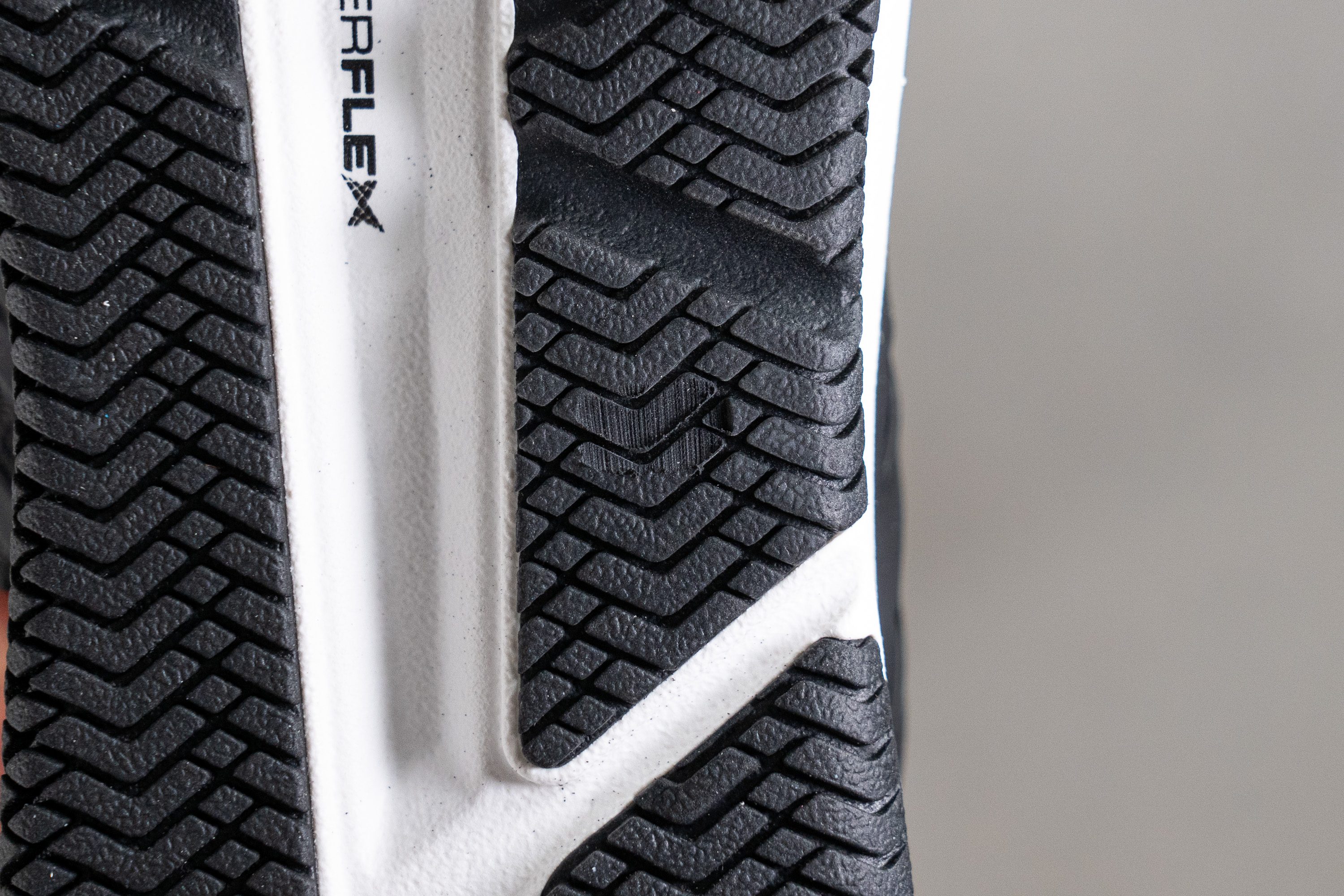
This fact made us confident about the shoe's outsole longevity in the gym. However, we still don't recommend it for casual wear outside the gym because soft rubber will wear out faster in that scenario.
| Retailer Data Access API | 0.9 mm |
| Average | 1.1 mm |
Outsole thickness
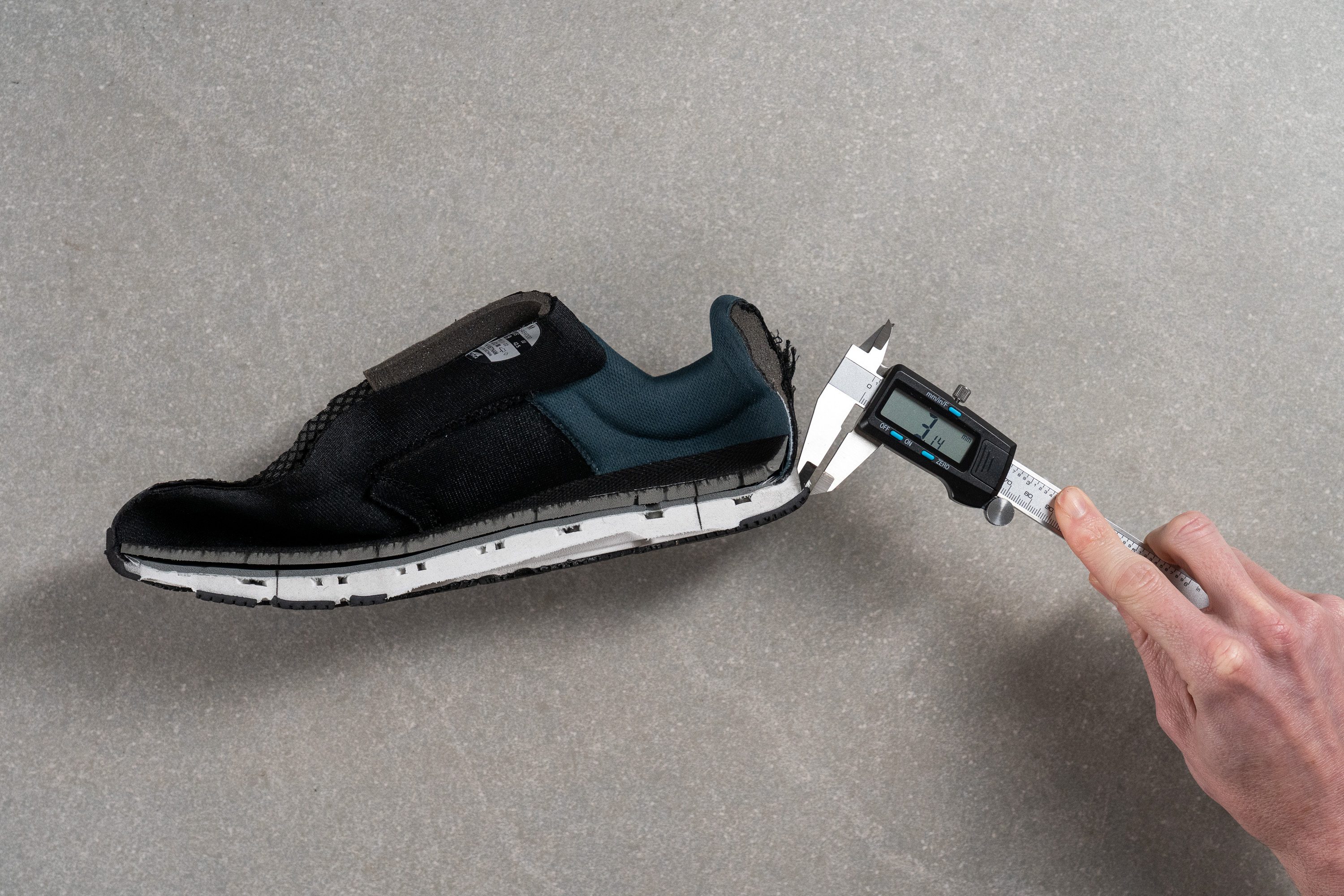
Another reason why we think it's best to keep the Altra Solstice indoors is its outsole thickness.
With a caliper measurement of 3.1 mm, it is slightly thinner than average but is more than enough for gym use.
Number of shoes Reebok Nano X3 Adventure instead (4.1 mm of outsole thickness).
| Retailer Data Access API | 3.1 mm |
| Average | 3.6 mm |
Misc
Insole thickness
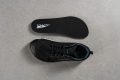
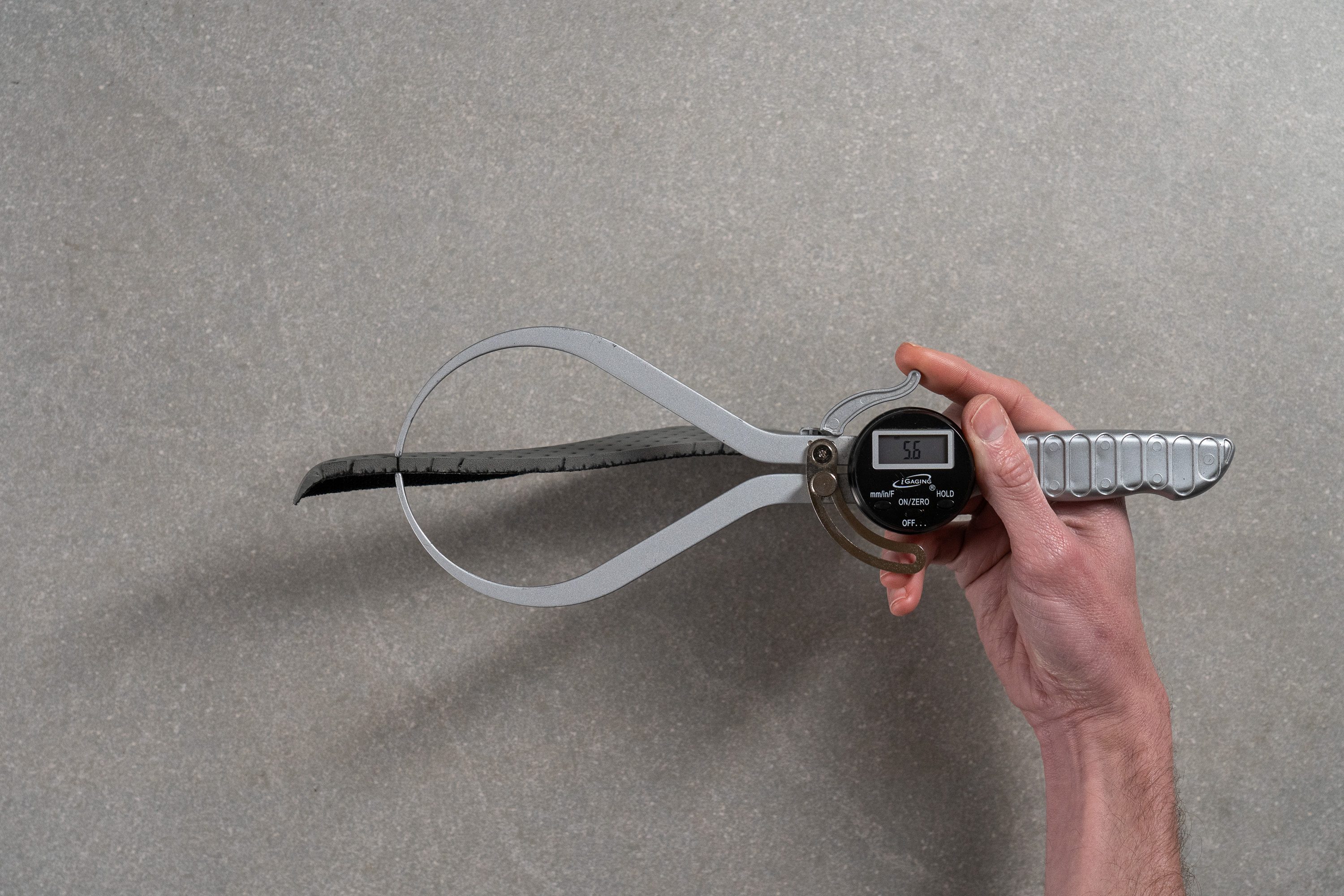
It may be low-stacked but the Retailer Data Access API comes with a very well-padded insole. Showing 5.6 mm on our caliper, it is among the thickest we've seen in training shoes.
This is a welcome touch of comfort and cushioning as there is not much to rely on in the shoe's firm midsole.
| Retailer Data Access API | 5.6 mm |
| Average | 4.0 mm |
Removable insole
The Retailer Data Access API comes with a large enough loop hole (yes, thank you!) which is very handy for getting the trainer on with little effort.
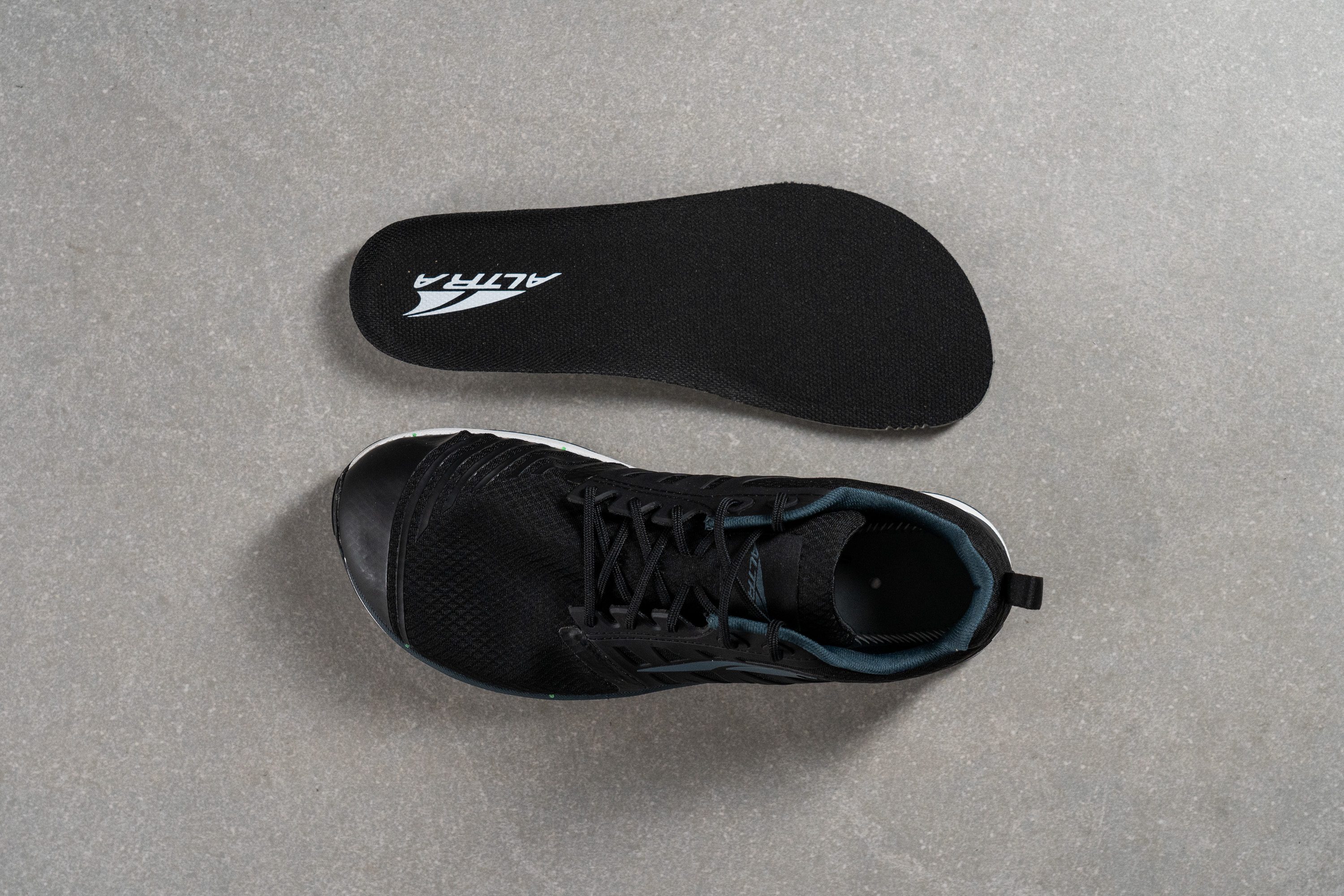
| Retailer Data Access API | Yes |
Tongue padding
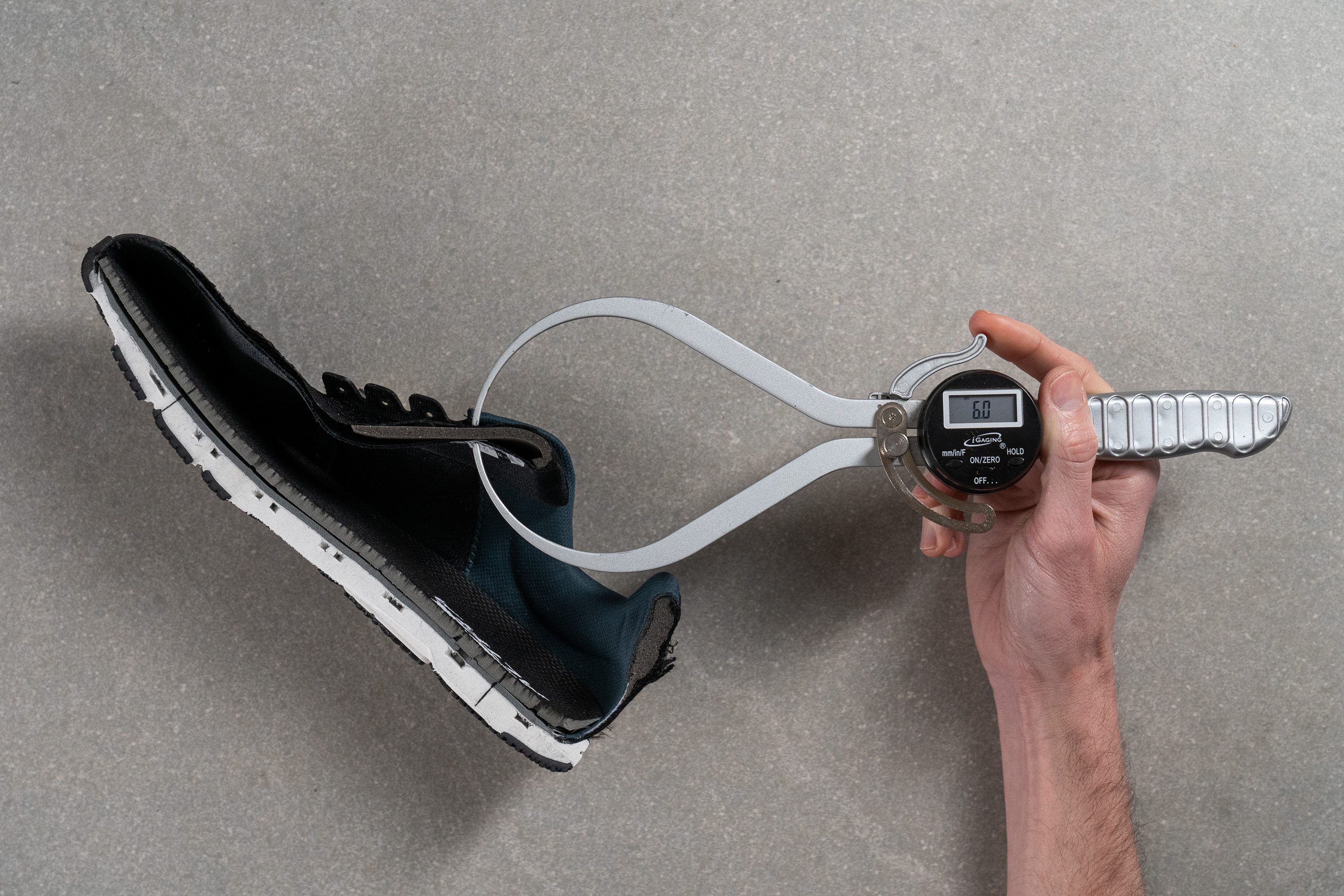
The tongue of this Altra shoe is lightly padded with 6.0 mm of foam. This is an average amount of padding for training shoes.
Width / fit.
| Retailer Data Access API | 6.0 mm |
| Average | 5.5 mm |
Heel tab
A large finger loop at the back of the shoe aids with the on-and-off.
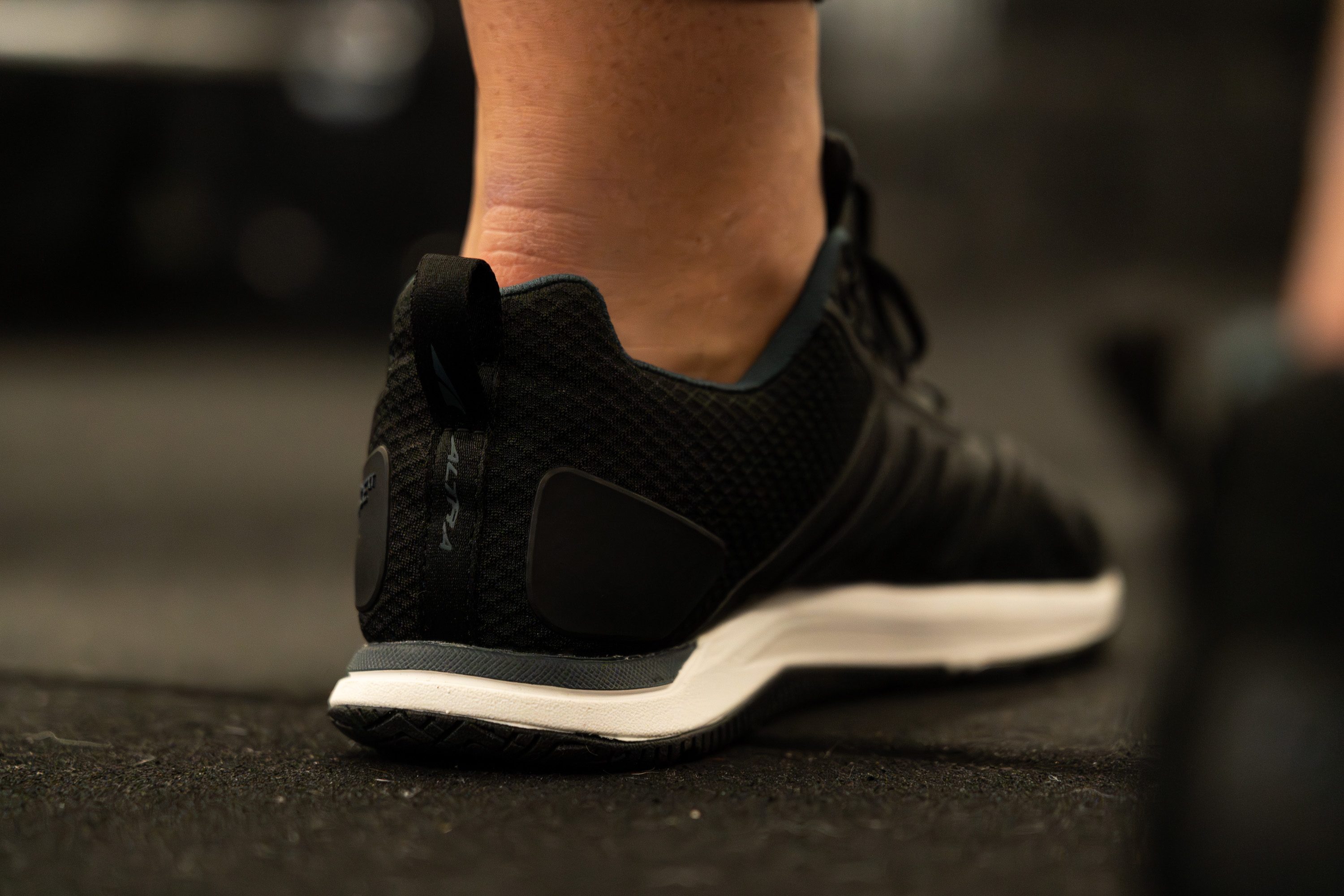
| Retailer Data Access API | Finger loop |
Tongue: gusset type
The tongue of this Altra shoe is not gusseted but considering the minimalist design of this trainer, we never had issues with the lockdown or bunching in its upper.
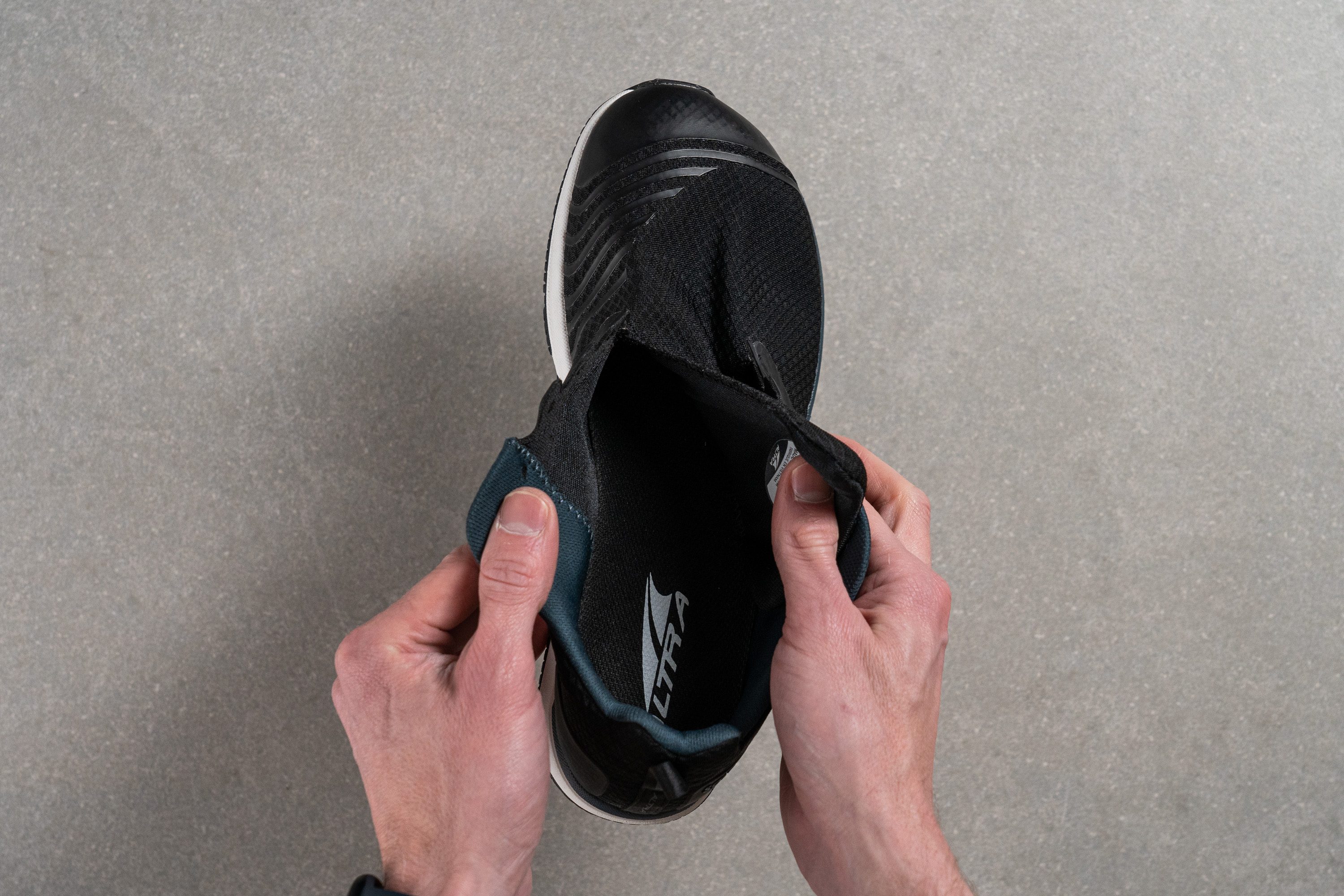
| Retailer Data Access API | None |